how much does a wedding photographer in amsterdam cost for a full day

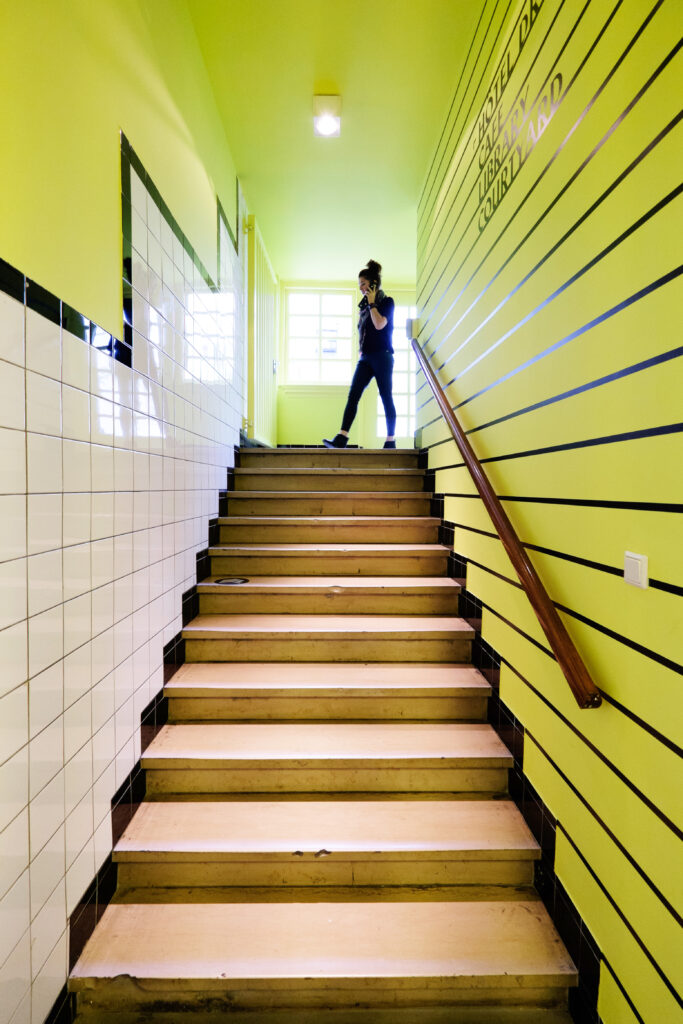
A yellow hallway thats leads to The Cafe

how much does a wedding photographer in amsterdam cost for a full day
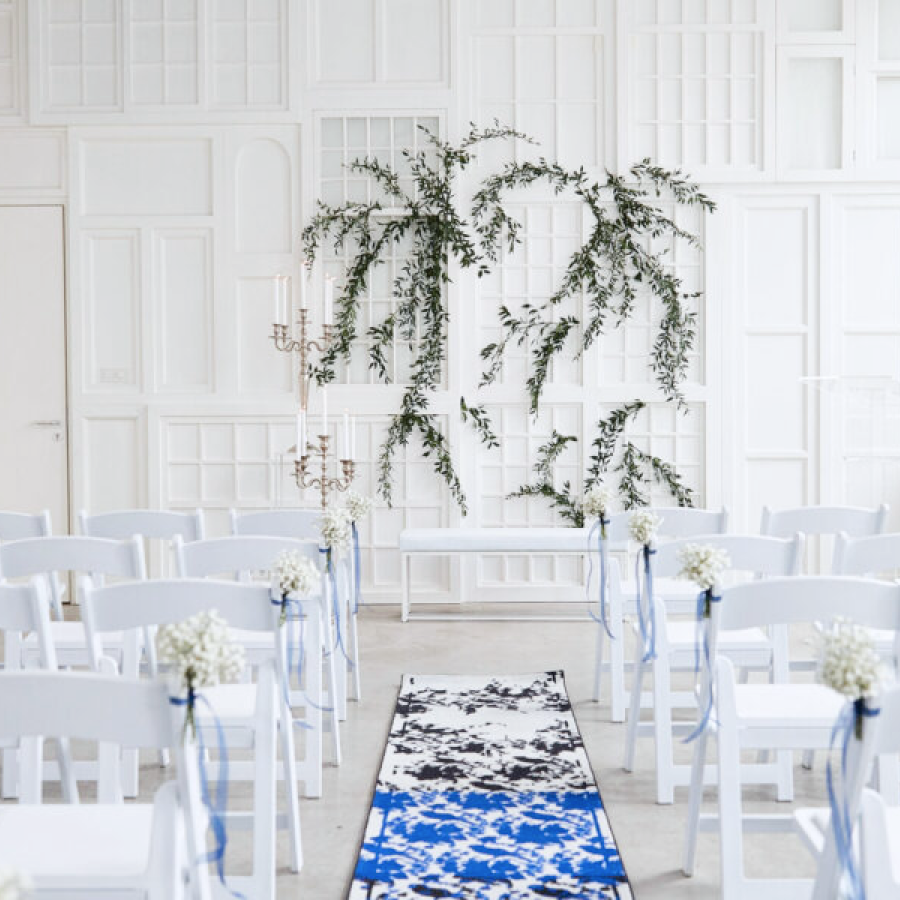
Wedding/trouwerij met blauwe loper in white space

Short answer: expect to pay between €1,500 and €4,500 for a full day of wedding photography in Amsterdam. That range is wide on purpose, because the word “full day” means something different to every couple, and so does the word “photographer.”

This article breaks down what drives the price, what you actually get at each level, and what questions are worth asking before you sign anything.

what a full day actually means

Most Amsterdam photographers define a full day as eight to ten hours of shooting. That usually covers getting ready in the morning through the first dances in the evening. Some packages start at the ceremony and end after dinner. Others begin at hair and makeup and run until midnight.

Before you compare quotes, check what each photographer counts as “day one.” An eight-hour package at €2,200 and a twelve-hour package at €2,600 are very different offers, even if the numbers look close.

the price brackets, broken down

Amsterdam wedding photographers tend to cluster into three tiers. Each one reflects experience, editing style, deliverables, and how much time they spend on your images after the wedding.

tier one: €1,000 to €1,800
This range usually covers photographers who are building their portfolio, recent graduates from art academies, or photographers who shoot weddings as a secondary specialism. You can find genuinely talented people here. The risk is consistency: a less experienced photographer may nail the ceremony and lose the light during golden hour portraits. Ask to see a full gallery from one wedding, not just the best twelve images from five different events.

tier two: €1,800 to €3,000
This is the middle market in Amsterdam, and it is well-populated. Photographers in this bracket typically have three to eight years of wedding experience, deliver 400 to 600 edited images, and offer a clear contract with usage rights spelled out. Many include a pre-wedding shoot (also called an engagement shoot or location shoot) to give you both a chance to work together before the actual day.

tier three: €3,000 to €5,000 and above
Top-tier Amsterdam photographers often have editorial work alongside their wedding portfolios, work with second shooters, and deliver albums as a standard part of the package rather than an add-on. Turnaround times are fast, communication is handled professionally, and they tend to be booked six to eighteen months in advance. If you are getting married on a Saturday in June or July, this bracket is worth contacting early.

what moves the price up or down

Several variables shift the final number significantly. It is worth understanding each one before you start collecting quotes.

  • hours of coverage. Most photographers charge per hour beyond their base package. An extra two hours can add €300 to €600.
  • second shooter. A second photographer captures moments the main shooter cannot be in two places for simultaneously. This adds €300 to €800 to most packages, and is almost always worth it for weddings with 80 or more guests.
  • travel. Amsterdam photographers may charge for travel if your venue is outside the ring road or in a different city. Some include travel within the Netherlands; others charge per kilometre.
  • album production. Printed albums are usually not included in the base price. A quality layflat album from a Dutch printer typically costs €400 to €900 on top of the photography fee.
  • editing style. Heavy retouching takes more time. If you want every table guest individually corrected, that is a different job than a documentary style where the light and moment do the work.
  • day of the week. Friday and Sunday weddings are often 10 to 20 percent cheaper than Saturdays. If your venue is flexible, this is an easy saving.

amsterdam-specific considerations

The city itself is part of the equation. Amsterdam offers extraordinary photography locations: canal reflections on the Herengracht, the light that falls through tall windows in converted historical buildings, the green courtyards hidden in the Jordaan. A photographer who knows Amsterdam will know when and where to find that light. Someone arriving from outside the city for their first time may not.

Practically speaking, Amsterdam also means narrow staircases, cobblestones in heels, and bike traffic on every canal-side street. These are logistical facts, not problems, but they reward experience. A photographer who has shot fifteen Amsterdam weddings will have solutions ready that someone newer to the city is still discovering.

Permits are another factor. Some locations in Amsterdam require a permit for photography, especially inside museum buildings or on certain bridges. Your photographer should know this, or at least be willing to find out before the day.

if you are holding your reception or dinner at @droog

@droog on Staalstraat has become a preferred venue for couples who want something that is not a hotel ballroom or a function room with a garden. The building dates from 1641, it was home to the Drapers’ Guild, and every room inside has a visual logic that most wedding venues simply do not have.

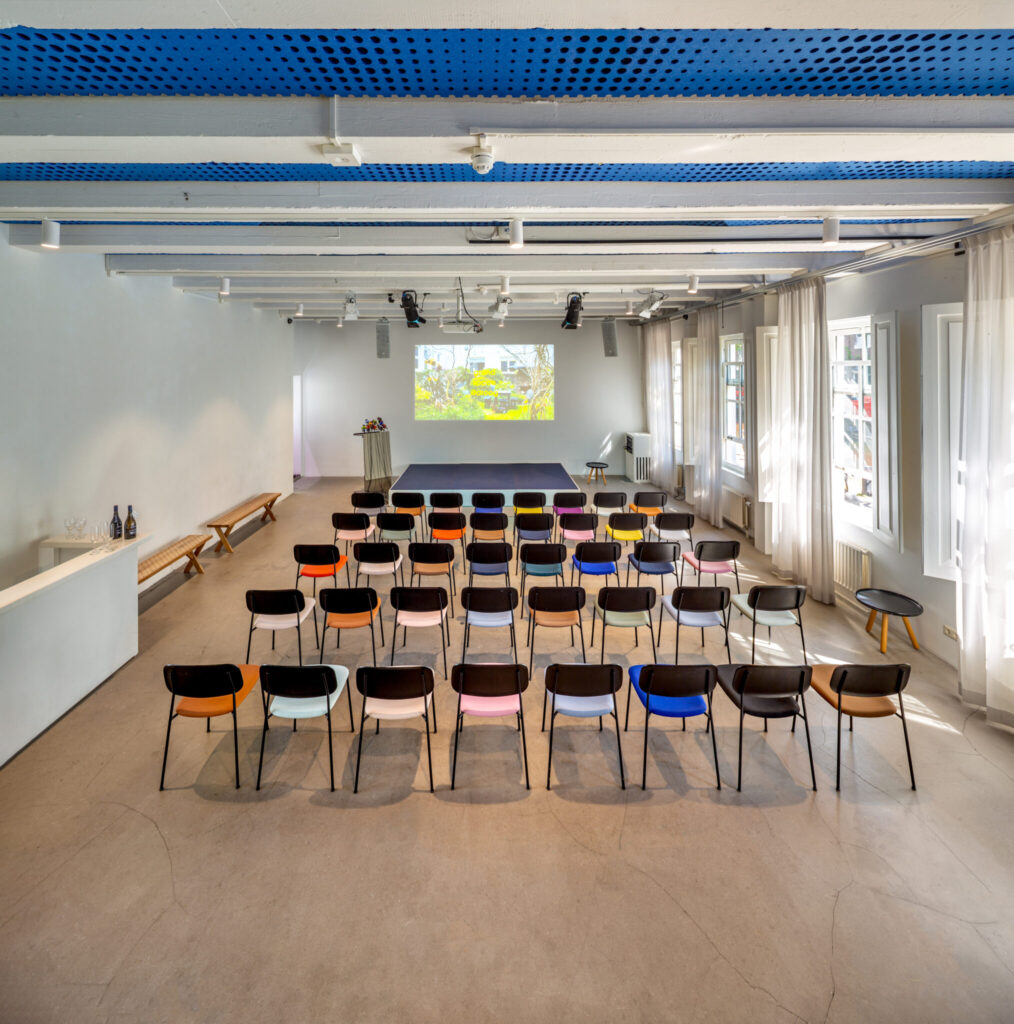
For photographers, the building is genuinely interesting to work in. The grand space on the ground floor opens directly onto the garden through a large sliding door, which gives a photographer natural light on one side and a controlled interior on the other. That combination is useful during the reception, the toasts, and the first moments after the ceremony when couples often want quiet portraits without leaving the venue.

The white space upstairs has large windows that frame the Amsterdam roofline and garden below. The library seats ten around a long table under a flat chandelier, with flowered wallpaper based on a Rijksmuseum painting. These are rooms with detail, which is exactly what a photographer with a good eye looks for.

If you are considering @droog for your wedding dinner or celebration, it helps to share the full floorplan with your photographer before the day. The building has multiple levels connected by a yellow hallway staircase, and knowing the flow of the space in advance saves time on the day itself.

Curious what a full event at @droog would look like? Tell us what you have in mind.

request quote

questions to ask every photographer you consider

Comparing prices without comparing deliverables is not useful. These questions give you a consistent basis for every conversation.

  • Can I see a complete gallery from one wedding, start to finish?
  • How many edited images will I receive, and what does “edited” mean to you?
  • What is the turnaround time from wedding day to delivery?
  • Who owns the copyright, and what am I allowed to do with the images?
  • Do you have liability insurance?
  • What happens if you are ill or have an emergency on the day?
  • Have you worked at my venue before, or are you willing to visit it in advance?
  • Is a second shooter included, and if not, what does adding one cost?
  • What is the payment schedule and cancellation policy?

That last one matters more than most couples realise. Some photographers require the full fee upfront. Others ask for 30 percent on booking and the remainder two weeks before the wedding. If your plans change, knowing the cancellation terms in advance protects both sides.

the engagement shoot: underrated and underused

Many Amsterdam photographers include a pre-wedding shoot in their full-day packages, or offer one as an optional add-on for €200 to €500. This is not just for the photos. It is a trial run for both of you.

An hour in a park or along a canal with your photographer before the wedding tells you whether the working relationship is comfortable. Some couples are naturally relaxed in front of a camera. Most are not, at first. The engagement shoot gives you both a chance to get past that before the day when it actually counts.

The photos are also useful: for invitations, website headers, or simply to have. But the main value is the confidence it builds, for the couple and for the photographer.

how to read a photography contract

A solid contract protects the couple and the photographer equally. If a photographer works without a contract, that is information.

The contract should specify the date, location, number of hours, number of edited images to be delivered, format of delivery (digital files, USB, online gallery), delivery timeline, rights of use, payment schedule, and what happens in case of illness or emergency on either side.

Rights of use deserves a second read. Most wedding photographers retain the right to use images for their portfolio and marketing. That is standard and reasonable. If you want images kept completely private, that needs to be negotiated separately, and it may affect the price.

frequently asked questions

is it cheaper to book a photographer just for the ceremony?
Yes. A ceremony-only shoot in Amsterdam typically runs between €600 and €1,200 for two to three hours. It covers the ceremony and a short portrait session, but nothing else. If you have a dinner or celebration later in the day, those moments will not be documented unless you book additional coverage.

do amsterdam photographers charge more for canal weddings?
Not usually, unless the location requires a boat or special access. Canal-side locations like the Brouwersgracht or Leidsegracht are public, free to use, and well known to most local photographers. Some specific bridges require a permit from the municipality; ask your photographer to check in advance.

what about videography, is it usually bundled?
Rarely at the full-day level, though some studios offer combined packages. A wedding videographer in Amsterdam typically costs between €1,500 and €4,000 separately, depending on length of coverage and the type of edit delivered. Booking photography and video from the same studio often results in a discount of 10 to 15 percent.

how far in advance do I need to book?
For a Saturday in peak season (May through September), booking twelve to eighteen months ahead is realistic for experienced photographers. Mid-week dates and winter weddings have more availability. A good rule: once your date and venue are confirmed, contact photographers immediately.

can I negotiate the price?
Some photographers have fixed rates, others have flexibility. Asking rarely hurts. What tends to work better than asking for a lower price is asking what the same budget gets you. A photographer at €2,500 who offers an eight-hour package may extend to ten hours for the same price in a quieter month. It is worth asking what flexibility looks like before assuming the number on the website is the final word.

what if I want photos inside the venue but it is dark?
Ask every photographer you meet how they handle low light. Indoor reception spaces, candlelit dinners, and evening dances all test a photographer’s technical ability. Ask to see examples from indoor evening events, not just outdoor golden-hour portraits. The gap between photographers on this specific point is large.

a note on value vs. price

Wedding photography is one of the few purchases where the product arrives after the event is over. You cannot return it if it does not meet expectations, and you cannot go back and reshoot. That asymmetry is worth taking seriously.

The photographer who costs €800 less may be exactly the right choice. Or the difference may show up six months later when you open the gallery and wish you had spent more time on the decision. Neither outcome is guaranteed by price alone. The best indicator is a full gallery from a comparable wedding, a clear contract, and a straightforward conversation about how the photographer works.

Amsterdam has a genuinely strong community of wedding photographers. The city attracts creative talent, it rewards people who know light, and it offers enough variety in venues and seasons to keep good photographers sharp. At every price point in this article, there are photographers doing excellent work. The job is finding the one whose eye matches what you have in mind for your day.

if your wedding involves a venue with a strong visual identity

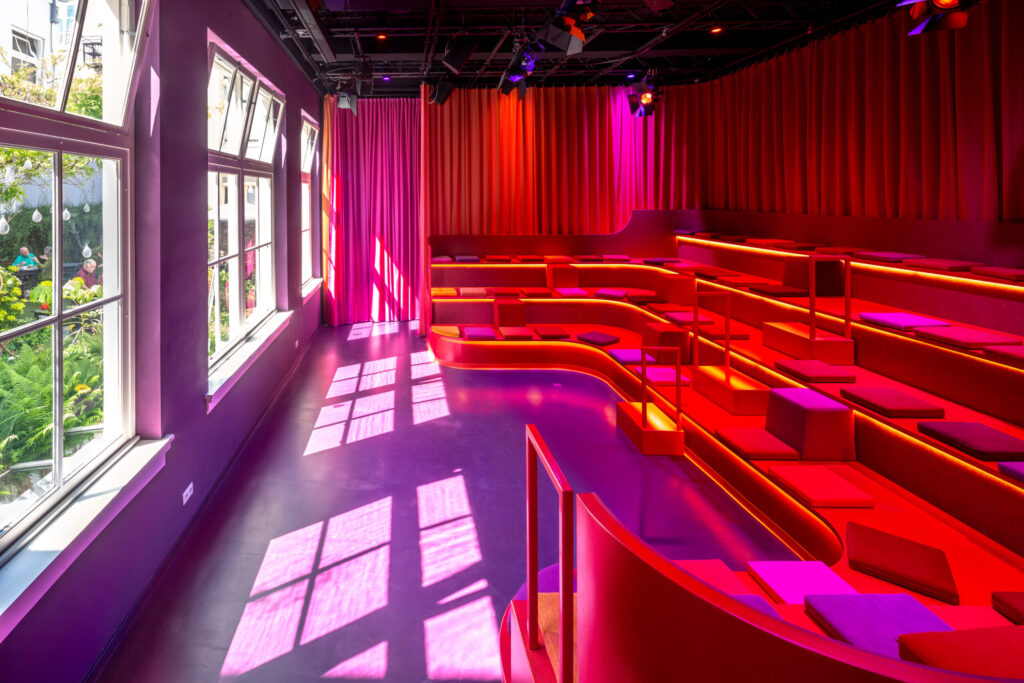
Some venues do part of the photographer’s job before the first guest arrives. @droog is one of them. The building has been photographed extensively since it opened as a design hotel and venue in the early 2000s, and its rooms have a visual consistency that comes from deliberate design rather than decoration. The red theatre room, the flowered wallpaper in the library, the blue butterfly lamp in the cafe, the garden framed by the windows of four different rooms: these are details that reward a photographer who notices them.

If your wedding or celebration is here, sharing the floor plan and a brief description of the program with your photographer in advance is worthwhile. Knowing which room holds the dinner, where the speeches happen, and how guests move through the building helps any photographer plan their coverage rather than discover it on the day.

Tell us what you are planning. We can share the specifics of each room and help you think through how the day could flow.
request quote

what is the cost of a civil wedding ceremony at amsterdam city hall

Rode ruimte (The Red Space) met de gordijnen open.

what is the cost of a civil wedding ceremony at amsterdam city hall

Wedding/trouwerij met blauwe loper in white space

Short answer: a civil wedding ceremony at Amsterdam City Hall costs between roughly €165 and €830, depending on when you marry and what you choose. That range covers everything from the most basic option on a weekday morning to a full ceremony with a registrar who comes to you on a Saturday afternoon.

Below, every fee explained clearly. And if you are already thinking beyond the ceremony itself, you will find some thoughts on what happens after you sign.

the official fee structure

Amsterdam’s municipality (Gemeente Amsterdam) sets the fees for civil marriage. These are updated periodically, so always confirm the current rates at gemeenteamsterdam.nl or at the Stadsloket nearest to you. The structure as of 2024 looks like this.

the free ceremony (gratis huwelijk)
Amsterdam offers one free civil ceremony per week, on a fixed weekday morning, at the registry office. It is short, around fifteen minutes, and you share the timeslot with no particular styling or flexibility. Two witnesses and two partners. That is the arrangement. It is a real, legal marriage. It just comes without extras.

the standard weekday ceremony
If you want to choose your own time on a weekday, the cost runs from approximately €165 to €250. The ceremony takes place at a Stadsloket or a designated wedding location in Amsterdam. You get more control over timing. The officiant is a civil registrar employed by the municipality.

the saturday ceremony
Saturdayis the most popular day. The price reflects that. Expect to pay between €500 and €830 for a Saturday ceremony at an official Amsterdam location. The higher end applies when you book a premium location or a longer time slot.

location surcharges
The municipality partners with a number of designated wedding locations across the city. Some of these carry additional location fees on top of the base ceremony cost. The Westerkerk, for instance, is a popular choice and adds to the total. Always ask for the full breakdown when you inquire.

the officiant who comes to you
Amsterdam also allows couples to bring the registrar to a location of their own choosing. This is called a buitenhuwelijksvoltrekking (a marriage outside the registry office). The fee for this service is higher, often €600 to €830 or above, plus whatever the external venue charges. This option is worth considering if the ceremony itself is part of an experience you are designing.

what the city hall fee does not include

The municipality fee covers the legal act. It does not cover:

  • flowers, decoration or styling
  • photography or video
  • catering before or after
  • transportation
  • the reception or dinner
  • printed materials
  • the rings (obviously)
  • accommodation for guests

Most couples spend significantly more on the surrounding event than on the ceremony itself. A ceremony costing €500 is frequently the smallest line on the wedding budget.

the administrative steps before you marry in amsterdam

The legal process has a specific order. Getting it wrong costs time, sometimes money.

step 1: check residency requirements
At least one partner must be registered as a resident in Amsterdam, or have another legal connection to the municipality. If neither of you lives in Amsterdam, you can still marry there, but you need to apply for permission from your own municipality first.

step 2: submit your marriage intention (melding voorgenomen huwelijk)
Dutch law requires you to formally declare your intention to marry at least two weeks before the ceremony. This cannot be skipped. You do it in person at a Stadsloket, with valid identification for both partners.

step 3: gather your documents
Both partners need a valid passport or ID. Additional documents depend on nationality, previous marriages, and country of birth. For non-Dutch nationals, the list can be substantial: birth certificates, proof of civil status, sometimes an apostille. Give yourself at least two to three months for this if any international documents are involved.

step 4: book your date and location
Popular dates, especially Saturdays in spring and early autumn, fill up fast. Amsterdam’s registry books open roughly one year in advance. If you have a specific date in mind, do not wait.

step 5: confirm your witnesses
You need two witnesses, both over 18, both with valid ID on the day. They sign the register alongside you. That is a legal requirement, not a formality.

the question couples forget to ask

Most couples focus on the ceremony location. The more interesting question is what happens between signing the register and midnight.

Amsterdam is a city with a lot of hotel ballrooms, restaurant private dining rooms and event spaces all offering a version of the same thing. White tablecloths, a standard menu, a DJ in the corner. That is one way to spend the day. It is not the only way.

The couples who come to @droog usually know they want something different. They are not sure yet what that means. That is a reasonable starting point.

what @droog offers for wedding receptions and celebrations

@droog is a building from 1641 on the Staalstraat in Amsterdam, originally the Drapers’ Guild hall. It has been a design destination since 1993, when Renny Ramakers and Gijs Bakker launched what became one of the most referenced design movements in the Netherlands. The building is not styled like a wedding venue. That is the point.

There are five spaces, each with a different character. Use one, combine several, or take the whole building.

the grand space
Ground floor, giant sliding door, direct access to the garden. Up to 160 people standing, 90 seated. Stage included. It has hosted brand launches, conferences and parties in the same month. A wedding reception fits naturally.

the red space
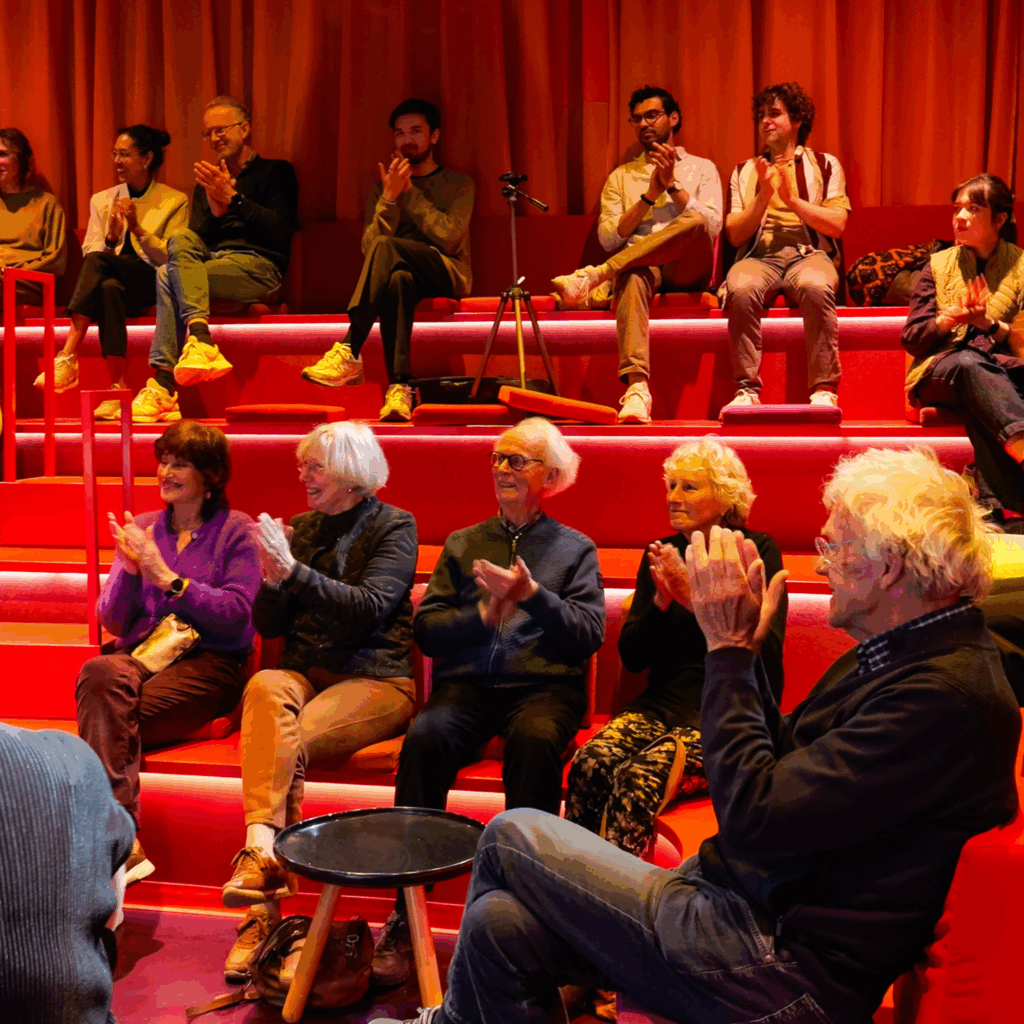
Red, pink, orange, purple. A round U-shaped tribune with movable cushions. This is the theatre room. It seats up to 80, though 50 to 60 people feel more comfortable. Fewer than 20 and the room starts to look empty. If you are planning a ceremony with a speech, a performance or a moment that asks people to really pay attention, this is the room.

the white space
Upstairs. Large white windows with views onto old Amsterdam rooftops and the garden below. 70 people in theatre setting, 50 seated with tables. It has held a PhD promotion and a book launch and a small concert. A wedding ceremony, the kind you hold after the registry, works here too.

the library
Also upstairs. Long table, yellow chairs, flowered wallpaper based on a Rijksmuseum painting, a flat chandelier above. Up to 10 around the table. It is an ideal room for a private dinner for the people closest to you. The kind of dinner where you actually talk to everyone.

the cafe
Top of the yellow hallway staircase. Blue butterfly lamp, curved white tiled bar, a fireplace, windows over the Groenburgwal canal. Up to 180 standing, 70 seated. It is probably the most beautiful room in the building. It has been open to the public every day for lunch since 2004. For an evening, it is yours.

The building is also next to its own garden. That matters in Amsterdam, where outdoor space in the city centre is rare.

request quote

what a wedding day at @droog could look like

This is an example, not a package. @droog does not sell packages.

Morning: ceremony at Amsterdam City Hall or at the Westerkerk, twenty minutes by foot or bike from the building. Early afternoon: reception in the grand space with the garden open. The design objects around the room give people something to look at and talk about, which means you do not need to manage the energy yourself. Late afternoon: dinner in the cafe restaurant, canal view, fireplace if the season calls for it. The 10 people you most wanted at the table move to the library for the last hour. That is a full day. It costs less than a hotel ballroom with an events coordinator who handles forty weddings a year.

frequently asked questions

can we have both the ceremony and reception at @droog?
Yes, if you bring a civil registrar to the building. Amsterdam allows this. The city charges a higher fee for the registrar to come to an external location, but the arrangement is legal and not unusual. The red space or the white space works well for a ceremony of this kind.

do you need a permit to marry outside city hall in amsterdam?
Not a separate permit, but you need to coordinate with the municipality. The registrar who comes to your location is still a Gemeente Amsterdam employee. The booking goes through the municipality, not the venue.

how far in advance should we book the reception venue?
For a Saturday in May, June, September or October, twelve months in advance is not excessive. For a weekday or a less popular month, six months is usually enough. The ceremony at city hall books separately, often earlier.

what does catering look like at @droog?
The cafe restaurant has its own kitchen. For events, the catering is built around the same approach as the building: local, deliberate, not default. The specifics depend on your event. This is something to discuss when you reach out.

can we bring our own caterer or florist?
That depends on the type of event and the arrangement. Some elements are flexible. It is worth asking when you make contact.

is @droog accessible for guests with mobility needs?
The ground floor, including the grand space and the red space, is accessible. The upper floor spaces, including the white space, the library and the cafe, are reached by stairs. This is a building from 1641. The architecture is what it is. If accessibility is a priority, the ground floor configuration works well for most events.

how many guests can the building hold in total?
Across all spaces, the building can accommodate a large group, up to several hundred for a standing event using the full building. For a seated dinner spread across rooms, the number depends on configuration. This is a conversation worth having before you decide.

what is the difference between @droog and a standard amsterdam wedding venue?
Most wedding venues in Amsterdam are optimised for weddings. The layout, the lighting, the menu, the coordination, the photogenic backdrop. All of it is designed to produce a recognisable result efficiently. @droog is not optimised for weddings. It is a building with a point of view, objects chosen by designers, a kitchen with an opinion about food, and rooms that have been used for things you would not expect. That difference is either exactly what you are looking for or not what you need at all. Both are honest answers.

the total cost of a wedding in amsterdam: a realistic picture

Amsterdam couples often underestimate the gap between the ceremony fee and the total wedding budget. Here is a rough framework based on common experience.

  • Civil ceremony at city hall (Saturday): €500 to €830
  • Photography: €1,500 to €3,500
  • Catering per head (dinner): €60 to €150
  • Venue hire: €1,000 to €8,000 depending on space and day
  • Flowers and styling: €500 to €3,000
  • Music or entertainment: €500 to €2,500
  • Printed materials and other: €200 to €800

A wedding for 60 people in Amsterdam typically lands between €15,000 and €40,000 in total. The city hall fee is a small fraction of that. The venue choice shapes how the rest of the budget works.

a note on the building

The Staalstraat is one of the quieter streets in the centre of Amsterdam. The building at number 7b has been standing since 1641. It has been a guild hall, a commercial space and a design destination. The canal is outside. The design objects are inside. Nearly everything in the space has been chosen or built with a reason behind it, which means there is always something in the room worth noticing.

If you are planning a wedding in Amsterdam and the standard options feel like they were made for someone else, it might be worth finding out what a day here actually looks like.

request quote

wedding catering cost per person amsterdam canal house dinner reception

wedding catering cost per person in amsterdam: what a canal house dinner reception actually costs

You are planning a wedding dinner in Amsterdam. You have found a canal house. Now comes the question everyone asks eventually: what does catering cost per person, and what does that number actually include?

This article breaks it down. Not to sell you a package, but to give you a clear picture of what drives the cost, what you can control, and what to ask before you sign anything.

the short answer: what does wedding catering cost per person in amsterdam?

For a seated dinner reception at a canal house venue in Amsterdam, most couples budget between 95 and 180 euros per person for catering alone. That range is wide because catering is not one thing. It is a collection of decisions, and each one moves the number.

Here is how the range typically breaks down:

  • Basic seated dinner (3 courses, house wine, sparkling water): 95 to 120 euros per person
  • Mid-range dinner (3 to 4 courses, curated wine pairing, welcome drinks): 120 to 155 euros per person
  • High-end or fully bespoke dinner (custom menu, sommelier, premium spirits, full bar): 155 to 200+ euros per person

These numbers reflect catering only. Venue hire, florals, AV equipment and staffing are usually separate line items.

what drives the cost per person?

Five factors move the number more than anything else.

1. the number of courses

A 3-course dinner is the standard. Add an amuse-bouche, an intermezzo, a cheese course or a dessert buffet and the cost per head rises accordingly. Each additional course adds roughly 10 to 20 euros per person depending on the ingredient level.

2. beverage package

Drinks are where budgets tend to drift. A flat per-person beverage package (welcome drink, wine with dinner, toast) is easier to predict than an open bar. Open bars are common at Amsterdam receptions and can add 30 to 60 euros per person, depending on duration and spirit selection.

3. service style

Plated service needs more staff per table than a buffet or family-style meal. More staff means higher labour cost, which flows through to the per-person price. At canal house venues, where kitchen access is sometimes limited, caterers also factor in logistics and prep time.

4. local and seasonal sourcing

Menus built around Dutch seasonal produce, local cheese and regional suppliers cost less than menus built around imported or out-of-season ingredients. Local sourcing is also increasingly a decision that couples care about, not just a budget lever.

5. guest count

Smaller guest lists cost more per head. A caterer preparing dinner for 30 people carries similar fixed costs (kitchen prep, transport, staff) as one preparing for 70. Spreading those fixed costs over more plates brings the per-person price down. Most caterers work with a minimum spend rather than a minimum headcount.

canal house venues in amsterdam: what makes them different

Canal houses are not purpose-built event spaces. They are 17th-century buildings that have been converted, restored or repurposed, and that history comes with certain practical realities.

Kitchens are often small or not commercial-grade. Staircases are narrow. Load-bearing walls are where they are. Good caterers who work regularly in canal house settings know how to navigate all of this. Ask any caterer you are considering whether they have worked in historic Amsterdam properties before. The ones who have will not blink. The ones who have not will give you a longer answer.

The building itself also becomes part of the experience. Exposed brick, original beams, canal views through tall windows, rooms that were clearly designed for something else entirely. These details do not cost extra, but they do shape the dinner.

a dinner reception at @droog: what the spaces offer

event in de red space met bezoekers

@droog is a design venue on the Groenburgwal canal in Amsterdam, in a building from 1641 that housed the Drapers’ Guild. It is not a wedding-only venue. It is a place where design thinking and deliberate purpose shape how events are run. That includes weddings.

Several rooms work well for a wedding dinner reception, depending on guest count and format.

the cafe restaurant

At the top of the yellow hallway staircase. Seats 70 for a dinner, or 180 standing. The room has a blue butterfly lamp, a fireplace, a curved white tiled bar and views over the Groenburgwal canal. It opens to the public daily for lunch, which means the kitchen runs every day, not just on event days. That matters. For a wedding dinner of 40 to 70 people, this is the most atmospheric room in the building.

the white space

Wedding/trouwerij met blauwe loper in white space

Upstairs. Large white windows that look out onto Amsterdam’s canal-side rooftops and the garden below. Seats 50 with tables, or 70 in a theatre setting. For a wedding dinner that also needs space for a ceremony or speeches, this room handles both without feeling like a compromise.

the library

Also upstairs. A long table, yellow chairs, flowered wallpaper based on a painting in the Rijksmuseum and a flat chandelier above. Seats 10 around the table. No more than that. This is not a room for a large reception. It is a room for a small, private wedding dinner where the intimacy is the point.

the grand space

Ground floor. A giant sliding door opens the room to the garden. Seats 90, or 160 standing. For a wedding that starts with a standing reception and moves into dinner, the grand space and the garden together give you the flexibility to run both without moving people between buildings.

Events at @droog are not limited to one room. If your wedding needs a ceremony space, a dinner room and a bar area, the building has the capacity to hold all three at once.

request quote

how to structure your catering budget

Start with guest count and format. A seated dinner for 50 is a different budget from a standing drinks reception for 120. Once you know the format, you can build the per-person number from the bottom up.

A simple framework:

  • Food (3 courses): 55 to 85 euros per person
  • Beverage package (welcome drink, wine, toast): 30 to 50 euros per person
  • Staffing and service: 15 to 30 euros per person
  • Equipment and linen (if not included in venue hire): 5 to 15 euros per person

Add those ranges together and you get 105 to 180 euros per person, which matches the market range described earlier. The variables are your variables. You decide where to invest and where to simplify.

questions to ask your caterer before you agree to anything

These are the questions that separate caterers who know canal house venues from caterers who are figuring it out as they go.

  • Have you worked in a historic Amsterdam building before, and what did you do differently?
  • What is included in the per-person price, and what is billed separately?
  • How do you handle dietary requirements, and at what point in the planning process?
  • What is your minimum spend, and does that include or exclude VAT?
  • Who is the contact person on the day of the event, and are they the same person we have been planning with?
  • What happens to leftover food and drink?
  • Do you source locally, and can you show us from where?

That last question is worth asking. Caterers who source locally tend to build menus around what is actually good right now, not around a fixed template. For a wedding dinner in Amsterdam, that often means Dutch cheese, North Sea fish, seasonal vegetables from the region and wines from smaller European producers rather than household labels.

what a realistic timeline looks like

Planning a wedding dinner reception at a canal house in Amsterdam typically runs on this timeline:

  • 12 to 18 months before: secure the venue. Canal house venues with waterfront views book up fast, particularly for spring and autumn Saturdays.
  • 9 to 12 months before: select your caterer and agree on a menu direction. Many venues have preferred caterers or in-house catering; confirm this early.
  • 6 months before: finalise the menu, confirm dietary requirements, agree on beverage packages.
  • 4 to 6 weeks before: provide final guest count. Most caterers need this to confirm staffing and produce orders.
  • 1 to 2 weeks before: share the full dietary list with the caterer, confirm the run-of-show and timings.

frequently asked questions

is catering included in canal house venue hire in amsterdam?

Sometimes, but not always. Some venues offer in-house catering as part of the hire fee. Others work with a list of preferred external caterers. And some are entirely flexible. Ask the venue directly, and confirm whether the per-person price in any quote includes both venue hire and catering, or just one of the two.

what is a realistic total budget for a wedding dinner reception at a canal house in amsterdam?

For 60 guests, a realistic all-in budget (venue hire, catering, drinks, staffing, florals, AV where needed) runs between 12,000 and 25,000 euros, depending on the level of catering and the venue. Catering alone accounts for roughly 50 to 60 percent of that total.

can we bring our own caterer to @droog?

Reach out directly. @droog works with an in-house kitchen and café that runs daily, so catering conversations start there. For specific requirements or preferred external suppliers, the team can discuss what is possible.

how many people can be seated for a wedding dinner at @droog?

It depends on which rooms you use. The café restaurant seats 70. The white space seats 50 with tables. The library seats 10. The grand space seats 90. Combined use of multiple rooms can accommodate larger groups across a full wedding day, from ceremony to dinner to drinks.

what is the smallest wedding dinner @droog can host?

The library seats 10 around the table. For an intimate dinner for a small wedding party, it is probably the most specific room in the building for that purpose. Yellow chairs, flowered wallpaper, a long table, a chandelier above. It does not need decoration. It is already there.

does the catering at @droog reflect a design philosophy or is it standard event food?

Sustainability and local sourcing are core to how @droog operates. The kitchen sources locally wherever possible. The menu is not built from a fixed template. What you eat should fit where you are, not just fill a plate count.

a few things worth knowing before you finalise anything

The per-person catering cost is not the only number that matters. What matters equally is whether the food fits the room, whether the room fits the guest count, and whether the team running the event understands the building they are working in.

Amsterdam canal houses are specific. The buildings have character because they have history. That history does not disappear during a wedding dinner. It stays in the room with you, in the ceiling height, the canal view, the floor that has been there for 400 years.

The best wedding dinners in Amsterdam are not the ones with the most elaborate menus. They are the ones where the food, the room, the light and the people are all making sense together at the same time.

That is worth planning for.

request quote

how to get legally married at a canal house in amsterdam city center for small group

how to get legally married at a canal house in amsterdam city center for a small group

Amsterdam has roughly 1,600 canal houses. Most of them are protected monuments. A handful are open to the public. And exactly one of them houses a theatre, a restaurant with a view of the Groenburgwal, and a room with flowered wallpaper based on a painting in the Rijksmuseum. That last detail matters, because weddings happen in details.

If you are planning a small, legal wedding in Amsterdam’s city center, this guide covers everything: the civil requirements, what makes a canal house ceremony actually work for a small group, and what to look for in a venue that does not feel like a wedding factory.

what does legally married mean in the netherlands?

In the Netherlands, a legal marriage requires a civil ceremony conducted by a registrar from the municipality, called a Burgerlijke Stand official. Church ceremonies, symbolic rituals, and celebrant-led ceremonies are not legally binding on their own. You need the civil component first, or as part of the same event.

There are two routes.

Route 1: marry at the stadhuis, celebrate at the venue. You complete the legal ceremony at Amsterdam City Hall (Stopera, Waterlooplein 22), sign the register, and then move to your chosen venue for the celebration. This is the simplest path and the most common for couples who want flexibility in where they hold the party.

Route 2: marry at the venue itself. Amsterdam allows civil marriages to take place outside of City Hall, at an approved location. The municipality must formally approve the venue as a registered marriage location. This is called a trouwlocatie and requires an official request to the Gemeente Amsterdam at least two months in advance, sometimes longer depending on availability of registrars.

Both routes are fully legal. Both produce the same marriage certificate. The difference is logistics and atmosphere.

the legal checklist before you book anything

Before you confirm any venue, run through this list. It will save you time and prevent surprises three weeks before your wedding.

  • Both partners must be registered in the Netherlands, or one partner must be. If neither lives in the Netherlands, you can still marry here but the paperwork increases significantly.
  • You need to file a melding voorgenomen huwelijk (notice of intended marriage) at the Gemeente Amsterdam. This must happen between two weeks and one year before the wedding date.
  • You will need: valid passports or ID cards, proof of address, birth certificates, and for non-EU nationals often an apostille and certified translation of documents.
  • A registrar must be booked through the municipality. Amsterdam has a limited number of registrars and popular dates fill early. Saturdays especially.
  • If you want the ceremony at an external venue, that venue must be approved. Ask the venue whether they have been through this process before. Experienced venues know the paperwork.
  • Two witnesses are legally required. They must be 18 or older. They sign the register.

Costs vary. The civil ceremony fee in Amsterdam is set by the municipality and changes annually. In 2024 it ranged from roughly 540 euros for a weekday ceremony to over 900 euros for a Saturday with a senior registrar. Check amsterdam.nl for current rates.

why a canal house works better than a hotel for a small group

Hotels are built for volume. A canal house is built for one thing: the people inside it. The rooms are proportioned for human scale, not for conference turnover. The ceilings are high where it matters and low where it creates intimacy. You do not get a “wedding package” with a table plan printed on cardstock. You get a building that has its own logic, and you work with it.

For a small group, that distinction is the whole point. Twenty people in a hotel ballroom looks like a planning mistake. Twenty people in a room designed for twenty people looks intentional. It is.

Canal houses in Amsterdam’s city center also solve the question of what to do between the ceremony and dinner. Walk outside and you are already in one of the most photographed urban environments in Europe. The Groenburgwal, the Kloveniersburgwal, the Herengracht, all within walking distance of each other. No coach transfer. No waiting.

what @droog offers for small weddings

Wedding/trouwerij met blauwe loper in white space

@droog is a design house on the Staalstraat, in the heart of Amsterdam’s old city center. The building dates to 1641 and was home to the Drapers’ Guild. It now holds five distinct spaces, a working cafe restaurant, a gallery, and a garden. It is not a dedicated wedding venue. That is partly why it works.

For a small wedding group, the spaces that make most sense are these.

the library. Ten people around a long table. Yellow chairs, a flat chandelier, flowered wallpaper taken from a Rijksmuseum painting, windows looking onto the garden. This room is where the twelve-person ceremony happens that would have felt too small anywhere else. It is also a natural space for a private dinner after the formalities. Intimate is not a word we use lightly. This room earns it.

the white space. Upstairs, with large white windows overlooking Amsterdam’s old canal houses and the garden below. This room seats 50 with tables, or 70 in theatre setting. For a small wedding ceremony followed by a seated dinner, it gives you space to breathe without feeling like you are rattling around in a hall built for two hundred people. It has also hosted a PhD promotion and a book launch in the same month. A wedding fits.

the cafe. At the top of the yellow hallway staircase. A blue butterfly lamp, a fireplace, a curved white tiled bar, and a view of the Groenburgwal canal. It opens to the public for lunch every day, which tells you something: the food here is not event catering assembled in a back kitchen. It seats 70 and stands 180. For a wedding reception with drinks and dinner, it is the room that people remember longest.

These spaces do not need to be used in isolation. A ceremony in the library, drinks in the garden, dinner in the cafe. That is a full wedding day in one building, and the building is worth looking at the whole time.

request quote

the question of the registrar

If you want the legal ceremony to take place at @droog itself, rather than at City Hall first, the venue needs to be an approved marriage location. This is worth confirming directly with the team early in the planning process. The municipality of Amsterdam does approve external locations, but the process takes time and requires the venue to meet specific criteria around accessibility and facilities.

The alternative, which many couples choose, is to handle the civil ceremony at City Hall on a weekday morning with just the two witnesses, and then hold the full celebration at the venue. City Hall ceremonies are efficient and dignified. They take roughly fifteen minutes. You leave married, and you have the whole day ahead of you.

Either route works. The question is which one fits how you want the day to feel.

timing and logistics for a small group in the city center

Amsterdam’s city center is compact. Staalstraat, where @droog is located, is a five-minute walk from the Nieuwmarkt, ten minutes from Dam Square, and directly on the Groenburgwal canal. If you are coming from City Hall at Waterlooplein, you are eight minutes away on foot.

For a small group of ten to thirty people, the logistics are straightforward. No coaches needed. Most guests will arrive by bike, on foot, or by taxi from the nearest tram stop. Parking in the city center is limited by design, which is actually useful information for your invitations.

Think about the day in three acts. Ceremony, photographs, dinner. In a canal house setting, the photographs happen in the streets and along the canals surrounding the venue, not in a hotel corridor. The Staalstraat and the surrounding bridges have been photographed by almost every travel photographer who has ever visited Amsterdam. They will look good in your album without any effort.

what to ask a canal house venue before you confirm

Not every canal house that looks good on Instagram is equipped to host a legal ceremony or a dinner for twenty. Here are the questions that save you time.

  • Are you registered as an approved marriage location with Gemeente Amsterdam, or can you facilitate that process?
  • Do you work with a preferred registrar, or do we arrange that separately through the municipality?
  • What is the catering situation? In-house kitchen, or external caterer only?
  • How does the space feel with fifteen people in it? Can we see it set up for that number?
  • What is included in the hire fee, and what is extra?
  • Is there a noise curfew or a closing time?
  • What is the accessibility situation for guests with mobility needs?

At @droog, the cafe restaurant operates its own kitchen. The food comes from people who cook lunch every day for paying guests, not just for events. That is a relevant distinction when you are planning a wedding dinner.

sustainability and design: why it matters for your event

event in de red space met bezoekers

@droog’s identity is grounded in design thinking and sustainability. The building itself reflects that: local sourcing where possible, materials selected with environmental responsibility, and a consistent philosophy that asks why before it asks how. For couples who care about those values, that alignment is not incidental. It is the point.

A wedding at @droog is not a neutral backdrop. The building has a position. The design has a history. The furniture, the objects in the gallery, the way the spaces connect, all of it reflects a forty-year conversation about what design can and should do. If that matters to you, you will notice it throughout the day. If it does not, the spaces still work. But it is worth knowing what you are walking into.

frequently asked questions

Can we get legally married at a private venue in Amsterdam?
Yes. Amsterdam allows civil marriages at approved external locations. The venue must apply to the Gemeente Amsterdam for approval, and a municipal registrar must conduct the ceremony. Confirm with the venue whether they are already approved or whether this needs to be arranged.

How far in advance do we need to plan?
File your notice of intended marriage between two weeks and one year before the date. For popular dates, especially Saturdays between May and September, book the registrar and venue at least six months ahead. The municipality’s registrar availability is the most common bottleneck.

What documents do we need?
Valid ID, proof of address, birth certificates. For non-EU nationals, apostilles and certified translations are often required. Check with the Gemeente Amsterdam or your consulate for your specific situation. Requirements vary by nationality.

How many people can attend a small canal house wedding?
For a ceremony with dinner, ten to thirty people is the ideal range for a canal house setting. The library at @droog seats ten around the table. The white space and cafe restaurant can accommodate larger groups if the celebration grows. Rooms can be combined for different parts of the day.

Is City Hall an option for the ceremony itself?
Yes, and many couples prefer it. The civil ceremony at City Hall takes roughly fifteen minutes, is efficient and dignified, and frees the venue hire for the celebration only. You do not need the venue to be an approved marriage location if you do the civil part elsewhere.

Do we need a wedding planner?
Not necessarily, but someone needs to manage the municipality paperwork. If neither partner speaks Dutch fluently, a coordinator who knows the process is worth the cost. The venue team can often point you toward people they have worked with before.

What does it cost to hire a space at @droog for a small wedding?
Venue hire rates depend on the spaces used, the duration, and what catering is included. The best starting point is to send a brief outline of your plans and ask for a quote. No obligation, no pressure.

Can we have the ceremony, drinks, and dinner all in the same building?
Yes. At @droog, you can move through different spaces across the day: ceremony in the library, drinks in the garden or grand space, dinner in the cafe restaurant. Each space has a distinct character. The building does the work of making the day feel varied without asking guests to travel anywhere.

in short

A legal canal house wedding in Amsterdam’s city center for a small group is entirely possible. It requires planning, some patience with municipal paperwork, and a venue that knows what it is doing. The civil requirement is non-negotiable: a registered Dutch municipal officer must conduct the ceremony, whether at City Hall or at an approved venue.

What you get in return is a wedding that feels like Amsterdam. Not the Amsterdam of tourist brochures, but the real one. Old streets, canal views, buildings that have been standing since before most countries existed, and food made by people who care about it.

@droog has been on the Staalstraat since 1993. The building has been there since 1641. It has held product launches, conferences, theatre shows, and dinners. It has not held everything yet. Tell us what you have in mind.

request quote

civil wedding ceremony amsterdam centrum with 20 guests and outdoor photos

civil wedding ceremony in amsterdam centrum, 20 guests, and photos outside

Wedding/trouwerij met blauwe loper in white space

Twenty people. A civil ceremony. Amsterdam centrum. And after that, a canal, some light, and a photographer who knows what to do with both. That is not a complicated brief. It is actually one of the best ones.

Small weddings are not a compromise on a larger wedding. They are a different thing entirely. The room is full. Everyone knows everyone. The ceremony feels like something that actually happened, not something that was performed. And when you step outside on the Groenburgwal afterwards, with twenty people and an afternoon to fill, the city does the rest.

@droog, on Staalstraat 7b in Amsterdam centrum, has held events that range from board meetings to theatre performances to PhD promotions. It has also held weddings. The building is from 1641 and used to house the Drapers’ Guild. The rooms are not neutral. They have character, colour, and enough design history to make a ceremony feel like it happened somewhere, not just anywhere.

what makes a 20-person ceremony work

A ceremony with 20 guests lives or dies by the room. Too large and it feels like you forgot to invite people. Too small and there is no air left. Twenty people need a space that holds them without swallowing them.

Three things matter most for a small civil ceremony in Amsterdam centrum:

  • A room that feels intentional, not like a fallback option
  • Enough space for a registrar, two people getting married, and a room full of people who want to actually see that happen
  • A location within walking distance of good outdoor photo spots, because Amsterdam centrum does not run out of those

@droog ticks all three. The building sits on the Groenburgwal, one of the quieter canals in the centre, which is exactly the kind of canal you want in the background of a wedding photo. The Zuiderkerk is two minutes on foot. The Waterlooplein bridge, the Blauwbrug, the Amstel: all within reach without needing a car or a plan.

the right room for the ceremony itself

The library fits 10 people around the table. For a ceremony with 20 guests, it works as a pre-drinks or dinner room, but not as the ceremony room itself. For the ceremony, you want something with a little more theatre.

The white space is upstairs, with large white windows looking out over old Amsterdam rooftops and the garden below. It seats 50 with tables or 70 in theatre setting. For 20 people, that means everyone sits comfortably, there is space to move, and the room does not feel empty. It is bright, calm, and the kind of space where a registrar can do their job without competing with the architecture. This is the room where the ceremony happens.

After the ceremony, the rest of the building opens up. The cafe at the top of the yellow staircase has a fireplace, a blue butterfly lamp, a curved white tiled bar, and windows over the Groenburgwal canal. Seventy people seated, 180 standing. For 20 people, it is generous. It is also probably the most beautiful room in the building, which is saying something.

outdoor photos in amsterdam centrum: where to go

This is the part people sometimes overthink. Amsterdam centrum, in the right light, is its own backdrop. You do not need a plan. You need a photographer who has been here before and twenty minutes of walking.

From @droog on Staalstraat, these spots are all under ten minutes on foot:

  • Groenburgwal, the canal right outside the door. Narrow, quiet, often empty of tourists. One of the most photographed canals in Amsterdam for exactly that reason.
  • Zuiderkerk, the 17th century church two minutes away. The churchyard and the gate are good for small groups. The church itself does not require a booking for exterior photos.
  • Waterlooplein bridge, five minutes east. Wide view over the Amstel, no crowds in the morning.
  • Kloveniersburgwal, one of the wider canals in the centre, lined with old guild houses. Five minutes north.
  • Blauwbrug, the ornate bridge over the Amstel. Ten minutes. Worth it if you want something with more scale.

For 20 people, a photo walk works. You are not moving a crowd. You are moving a group of people who are already in a good mood and do not need much direction.

how a full day could look

Civil wedding ceremonies in Amsterdam are typically short. The registrar, the vows, the signing: 20 to 30 minutes. What you plan around that is where the day actually lives.

A practical structure for 20 guests at @droog:

  • Arrival and welcome drinks in the white space or the cafe, depending on preference. The cafe has the view. The white space has the light.
  • Ceremony in the white space, 20 to 30 minutes. The registrar comes to you. You do not go to the town hall.
  • Outdoor photos, starting on the Groenburgwal and moving from there. One hour, two at most.
  • Lunch or dinner back in the building. The cafe restaurant is open to the public for lunch and can be reserved for private events in the evening. The kitchen produces food worth sitting down for. It has been doing that since 2004.

Everything stays in one location, or within walking distance of it. No buses, no transfers, no one getting lost.

request quote

the design you did not know you were getting

Most wedding venues sell atmosphere through adjectives. @droog sells it through objects. The blue butterfly lamp in the cafe is by Tejo Remy and Rene Veenhuizen. The flowered wallpaper in the library is based on a 17th century painting in the Rijksmuseum. The building itself has been a guild house, a warehouse, and a design gallery. None of that needs to be announced during the ceremony. It is just there.

event in de red space met bezoekers

For a small wedding, this matters more than it does for a large one. With 20 people, guests have time to notice things. They look at the room. They look at what is on the walls. A space with actual design history gives them something to talk about that is not just about the wedding, which keeps the conversation going in the best possible way.

@droog is also committed to local sourcing and sustainable practice. The food comes from local suppliers wherever possible. The building was restored with environmental responsibility as a guiding principle. For couples who care about that, it is not a footnote. It is the reason the building looks the way it does.

registering your civil wedding in amsterdam centrum

Civil weddings in Amsterdam are registered through the Gemeente Amsterdam. The registrar can come to a venue of your choosing, provided the venue is approved or you arrange the formalities in advance. @droog is available for private events, which means the ceremony can take place in the building rather than at the town hall.

A few practical notes for couples planning this:

  • Book the registrar through the Gemeente Amsterdam, not through the venue. The venue handles the room; the municipality handles the legal part.
  • Allow at least three months for planning if you want a specific date and room combination.
  • Check whether you need a free or paid ceremony. Free ceremonies have fixed time slots and locations. Paid ceremonies allow more flexibility on timing and venue.
  • For 20 guests, one room is enough for the ceremony. A second room for drinks or dinner can be added if needed.

what 20 guests actually means for logistics

Twenty people is the number where everything becomes easier. Catering is predictable. The room does not need to be transformed between ceremony and dinner. Parking is not a group problem because most people arrive by tram or bike. And the outdoor photo walk does not require a logistics coordinator.

From Amsterdam Centraal, @droog is 15 minutes by tram (line 9 or 14 to Waterlooplein) or 20 minutes on foot through the centre. From the ring road, it is about the same time by car with parking at Waterlooplein or Frederiksplein nearby.

For guests coming from outside Amsterdam, Staalstraat 7b is easy to find and easy to explain. One address, one day, everything in one place.

frequently asked questions

can we hold the civil ceremony itself at @droog, or only the reception?

The ceremony can take place at @droog if you arrange for the registrar to come to the venue. The building is not a licensed wedding venue in the formal sense, but private event bookings allow for ceremonies with a registrar present. Confirm the specifics with the Gemeente Amsterdam when booking your registrar.

which room works best for 20 people for the ceremony?

The white space is the most practical. It has good light, large windows, and enough room for 20 guests to sit comfortably with space for a registrar and the couple. The cafe restaurant also works if you prefer a more informal setting with a view of the canal.

is the garden available for part of the day?

The garden is accessible from the grand space and the red space on the ground floor, and from the white space upstairs. Depending on the weather and the time of year, it can be used for drinks or photos. It seats 60.

can we do the outdoor photos before the ceremony instead of after?

Yes. Some couples prefer to do the photos first, arrive at the venue, have the ceremony, and then move directly to lunch or dinner. The canal outside the building is available at any time. The order is yours to decide.

does @droog handle catering, or do we bring our own?

The cafe restaurant runs its own kitchen and can cater for private events. For lunch or dinner after the ceremony, the kitchen is the simplest option. External catering can also be discussed depending on the setup.

how far in advance do we need to book?

For a specific date, especially in spring and early autumn when Amsterdam is busiest, booking three to six months in advance is sensible. For dates in winter or on weekdays, there is more flexibility. The earlier the better, not because availability is always tight, but because it removes one thing from the list.

is the building accessible for guests with mobility limitations?

The ground floor spaces, including the grand space and red space, are accessible. The upper floor, including the white space, library, and cafe restaurant, involves stairs. If accessibility is a requirement, the ceremony and reception can be arranged on the ground floor. Let us know what you need and we work around it.

one more thing

A civil wedding ceremony with 20 guests in Amsterdam centrum is not a small version of something bigger. It is complete on its own terms. The right room, the right canal, twenty people who are actually there because they wanted to be. @droog is a building that has been hosting meaningful gatherings since 1641 in one form or another. It knows how to hold a room.

Tell us what you have in mind.

request quote

how to register marriage in amsterdam as a foreigner at gemeente amsterdam

how to register your marriage in amsterdam as a foreigner at gemeente amsterdam

Amsterdam is one of the most popular cities in the world to get married. The canals, the architecture, the light. But before any of that happens, there is paperwork. And if you are a foreigner, the paperwork is worth understanding well before you book anything else.

This guide walks you through the official process of registering your marriage at Gemeente Amsterdam, the municipality that handles all civil formalities for weddings in the city. We cover what you need, when you need it, and what foreigners specifically should watch out for.


what is gemeente amsterdam and why does it matter

Gemeente Amsterdam is the city’s municipal authority. In the Netherlands, a legal marriage must be registered through the municipality where the ceremony takes place. That means if you want to marry in Amsterdam, Gemeente Amsterdam is your starting point, not a venue, not a wedding planner.

The municipality handles the civil registration, issues a marriage certificate, and assigns a registrar (in Dutch: ambtenaar van de burgerlijke stand) to officiate your ceremony. You can marry in Dutch or in English, depending on the registrar assigned to you, so it is worth confirming this in advance.

Since 1998, the Netherlands has also legally recognised same-sex marriage. All couples, regardless of gender, follow the same registration process.


step one: check your eligibility

Before anything else, confirm that both partners are legally allowed to marry in the Netherlands. The rules are clear:

  • Both partners must be at least 18 years old.
  • Neither partner may already be married or in a registered partnership that has not been legally dissolved.
  • Partners may not be closely related by blood or adoption (first-degree relatives).
  • At least one partner must have a valid connection to Amsterdam, either through residency or by holding the ceremony there.

You do not have to be a Dutch citizen or resident to marry in Amsterdam. Foreigners are welcome to marry here. However, Gemeente Amsterdam will require proof that your home country does not legally prohibit the marriage. This is where the process gets specific.


step two: gather your documents

This is where most foreign couples lose time. Start collecting documents at least three to six months before your planned date. Some certificates take weeks to apostille, translate and authenticate.

Here is what Gemeente Amsterdam typically requires from foreign nationals:

  • Valid passport or identity document for both partners.
  • Birth certificate for both partners, issued by the country of birth. Must be recent (usually no older than six months), officially translated into Dutch or English, and apostilled or legalised depending on your country.
  • Proof of civil status: a certificate of no impediment (also called a certificate of marital status or a declaration of celibacy). This document confirms you are not currently married. It must come from your home country’s civil authority and must be apostilled and translated.
  • Proof of residence: if you are registered in the Netherlands (BRP), a BRP extract from Gemeente Amsterdam. If you live abroad, proof of your current foreign address.
  • Divorce decree or death certificate if either partner was previously married. These must also be apostilled and translated.

Documents not in Dutch, English, French or German must be translated by a certified translator (beëdigd vertaler). Gemeente Amsterdam will not accept informal translations.

If your country does not issue certain documents (some countries do not issue a formal certificate of no impediment), the Dutch consulate or a notary in your home country may be able to provide an alternative declaration. Contact Gemeente Amsterdam early to discuss your specific nationality situation.


apostille, legalisation and what the difference is

This confuses a lot of people. Here is the short version.

An apostille is a stamp or certificate attached to an official document by your country’s designated authority, confirming the document is genuine. It is used between countries that have signed the Hague Convention of 1961. Most countries use apostilles. You get one from a national authority in your home country, often the Ministry of Justice or a regional court.

Legalisation is an older, more complex process required when your country has not signed the Hague Convention. It involves your home country’s foreign ministry stamping the document, then the Dutch embassy in your country adding their stamp. Some countries require both steps plus additional verification.

Check the list of Hague Convention member states before assuming which process applies to you. A few countries, including some in Africa and the Middle East, are not members and require full legalisation chains.


step three: submit your notice of intent to marry

In the Netherlands, you must formally notify the municipality of your intention to marry before the ceremony can take place. This is called the aangifte huwelijk or marriage notification.

You submit this at Gemeente Amsterdam’s civil affairs desk (Burgerzaken). An appointment is required. You can book online through the Gemeente Amsterdam website at gemeente.amsterdam.nl.

Both partners do not always need to appear in person for this initial step. One partner can sometimes submit on behalf of both, depending on the documents involved. Confirm this when you book your appointment.

The notification opens a window of one year during which the marriage must take place. If you do not marry within that year, you must resubmit the notification.

Gemeente Amsterdam processes the notification and checks all documents. If everything is in order, they will issue confirmation that you are free to marry in Amsterdam. This confirmation is sometimes called a marriage licence or huwelijkstoestemming.


step four: choose your ceremony type

Amsterdam offers three main formats for the civil ceremony:

  • A free ceremony at the registry office (Buitenveldert or Stadsloket Centrum): quick, functional, takes around fifteen minutes. This option is free of charge.
  • A ceremony at the registry office with more time: a longer appointment with a few personal elements, at a modest fee.
  • A ceremony at a location of your choice: the registrar comes to an approved external venue. This is the option most couples choose when they want a meaningful, designed experience rather than a bureaucratic room.

The third option requires that your chosen venue be approved by Gemeente Amsterdam as a recognised wedding location. Not all venues hold this status. If you plan to marry at a private location, confirm approval status before making any commitments.


step five: confirm the date and registrar

Once your documents are approved and your notice of intent is filed, you book the actual ceremony date. Gemeente Amsterdam assigns a registrar (ambtenaar van de burgerlijke stand). In Amsterdam, several registrars are available, and some speak English. If a bilingual ceremony matters to you, request an English-speaking registrar specifically when booking.

Popular dates, particularly Saturdays in spring and summer, book out months in advance. File your paperwork early and have two or three possible dates in mind before your Burgerzaken appointment.


costs and fees

The costs depend on the ceremony format you choose. As of 2024:

  • Free ceremony at the registry office: no charge.
  • Extended ceremony at the registry office: approximately 560 euros.
  • Ceremony at an external location: approximately 830 euros plus any venue costs.
  • Saturday or public holiday surcharge: additional fees apply.

These figures are indicative. Check the current fee schedule on gemeente.amsterdam.nl, as rates are updated periodically.

Additional costs to factor in: document translations (typically 50 to 150 euros per document), apostille fees in your home country (varies widely), certified copies of birth certificates, and any notary fees if declarations are required.


the timeline: how far in advance should you start

Start earlier than you think. This is the honest answer.

  • Six months before: begin gathering documents from your home country. Order official copies of birth certificates. Research apostille requirements for your nationality.
  • Four months before: have all documents translated and apostilled. Book your Burgerzaken appointment for the marriage notification.
  • Three months before: submit the notice of intent. Book your ceremony date and venue. Confirm your registrar.
  • One month before: do a final document check with Gemeente Amsterdam. Confirm all logistics with your venue.

Couples from countries with complex legalisation requirements (non-Hague Convention states, or countries with slow civil administration) should add another one to two months to this timeline.

Rode ruimte (The Red Space) met de gordijnen open.

what happens on the day

The civil ceremony itself is brief. Fifteen to thirty minutes is standard. You will need two witnesses, both adults, present at the ceremony. They sign the marriage register alongside you and the registrar. Witnesses do not need to be Dutch nationals or residents. A friend or family member is fine.

After the ceremony, you receive a marriage certificate (huwelijksakte). Keep several certified copies. You will need them to update records in your home country, change your name if applicable, and for any future immigration or legal processes.


getting your dutch marriage recognised in your home country

A Dutch marriage certificate is a legally issued document and is generally recognised internationally. However, the process for registering a foreign marriage back home varies by country.

Most countries require you to:

  • Obtain an apostilled copy of the Dutch marriage certificate from Gemeente Amsterdam.
  • Have it translated into your home language by a certified translator.
  • Register it with your home country’s civil registry or embassy.

Some countries, notably the United States, United Kingdom, Australia and most EU member states, accept Dutch marriage certificates with minimal additional steps. Others require more. Check with your country’s embassy in the Netherlands or your home country’s civil registration authority before the ceremony, not after.


planning the celebration around the ceremony

The civil formality and the celebration are two different things. Many couples keep them separate: a brief ceremony at the registry office one morning, a full event at a venue later that day or weekend.

If you want both to happen in the same place, the venue needs to be an approved wedding location. @droog, located in the centre of Amsterdam on the Staalstraat, is one such space. It holds Gemeente Amsterdam approval for civil ceremonies. The registrar comes to you.

the white space upstairs, with its large white windows overlooking the old Amsterdam rooflines and the garden below, has hosted everything from PhD promotions to wedding ceremonies. It seats up to 50 with tables, or 70 in theatre setting. Natural light, no decoration required.

Below it, the grand space opens directly onto the garden, with sliding doors wide enough to move between inside and outside without thinking about it. A reception for 160 standing is possible there. A dinner for 90 seated. Both in the same evening.

If you want something more intimate for the ceremony itself, the library upstairs seats ten around a long table, with yellow chairs, a flat chandelier, and wallpaper based on a painting in the Rijksmuseum. It is a room that feels personal without trying.

And afterwards, the cafe at the top of the yellow staircase fits 70 seated or 180 standing, looks out over the Groenburgwal canal, and has the kind of blue butterfly lamp and curved white-tiled bar that makes photographs happen without a photographer’s instruction.

Events at @droog are not limited to one space. Most celebrations move between rooms. Ceremony in the white space, drinks in the garden, dinner in the cafe, and something unexpected in between.

request quote


frequently asked questions

can we marry in amsterdam if neither of us lives in the netherlands?

Yes. You do not need to be a Dutch resident to marry in Amsterdam. Gemeente Amsterdam handles marriage registrations for non-residents, provided you meet eligibility requirements and submit the correct documents. You will need to appear in person at Burgerzaken at least once during the process.

how long does the full process take from start to finish?

For most foreign nationals, three to four months is realistic if documents are in order and no complications arise. Couples from countries with complex legalisation requirements should allow five to six months minimum. Do not wait until you have a venue booked to start the paperwork.

can the ceremony be in english?

Yes. Gemeente Amsterdam has English-speaking registrars available. You need to request one specifically when booking your ceremony date. Not every registrar is bilingual, so confirming this early matters.

what is a certificate of no impediment and where do i get one?

A certificate of no impediment (also called a declaration of celibacy or certificate of marital status) is an official document from your home country confirming you are not currently married. It is issued by the civil registry authority in your country of nationality. It must be apostilled and, if not in Dutch, English, French or German, translated by a certified translator.

what if my home country does not issue a certificate of no impediment?

Some countries either do not issue this document or issue it in a form Gemeente Amsterdam does not recognise. In these cases, a notary declaration or a sworn statement via your home country’s consulate in the Netherlands may be accepted as an alternative. Contact Gemeente Amsterdam directly at the start of the process to get guidance specific to your nationality.

do both partners need to appear in person at gemeente amsterdam?

For the ceremony, yes, both partners must be present. For the initial notification appointment, Gemeente Amsterdam’s policy varies. One partner may be able to submit documents on behalf of both in some circumstances. Confirm this when booking your appointment online.

how many witnesses do we need and who can they be?

You need two witnesses, both aged 18 or older. They do not need to be Dutch nationals or residents. Friends or family members travelling with you are perfectly acceptable. Witnesses must be present for the full duration of the ceremony and must sign the marriage register.

what documents do we receive after the ceremony?

You receive a marriage certificate (huwelijksakte) issued by Gemeente Amsterdam. Request multiple certified copies on the day. You will need these for legal and administrative purposes in your home country, for name changes, and for any immigration-related applications.

can we have a religious ceremony instead of or in addition to the civil ceremony?

In the Netherlands, the civil ceremony is legally required for a marriage to be recognised. A religious or symbolic ceremony can take place alongside or after the civil ceremony, but the civil registration at Gemeente Amsterdam is the legal foundation. Many couples combine both on the same day.

is @droog an approved wedding venue for civil ceremonies?

Wedding/trouwerij met blauwe loper in white space

Yes. @droog holds Gemeente Amsterdam approval as an official wedding location. That means the registrar can come to the building to conduct your civil ceremony. You do not need to go to the registry office and then travel to a separate celebration venue. The legal ceremony and the event can happen in the same place.


a practical note before you start

Gemeente Amsterdam updates its requirements and fee schedules regularly. The information in this article reflects the process as understood at time of writing, but requirements for specific nationalities, documents and costs can change. Always verify current requirements directly at gemeente.amsterdam.nl or by calling Burgerzaken before submitting any documents.

The process is manageable. It is just paperwork with a deadline. Start early, collect documents methodically, and book your Burgerzaken appointment as soon as you have a rough date in mind.

Everything after that, the space, the food, the people, the light on the canal, that part is easier.

request quote

intimate wedding ceremony in amsterdam old town with canal boat reception afterwards

intimate wedding ceremony in amsterdam old town, followed by a canal boat reception

Amsterdam’s old town is one of those places that makes planning a wedding feel less like logistics and more like storytelling. The Groenburgwal canal, the 17th-century facades, the narrow bridges, the light that does something different here than anywhere else. You already have the backdrop. What you need is a space that holds its own inside it.

@droog sits at Staalstraat 7b, in the heart of Amsterdam’s medieval city centre, inside a building from 1641 that once housed the Drapers’ Guild. That fact alone sets a tone. This is not a blank-slate venue dressed for the occasion. It is a place with its own history, its own design language, its own point of view. And it fits a wedding ceremony the same way it fits a board meeting or a theatre performance: on its own terms, which happen to be interesting ones.

why amsterdam old town works for an intimate ceremony

Intimate means something specific. Not small as an apology, but small as a choice. Thirty guests who matter more than three hundred guests who showed up. A ceremony where you can hear the person next to you breathe, where the room holds the moment rather than swallowing it.

Amsterdam’s old town offers something most wedding destinations cannot: density of meaning in a very small area. Within walking distance of @droog, you have the Zuiderkerk, the Rembrandthuis, the waterways that connect the city’s oldest neighbourhoods. After a ceremony inside, a canal boat is not a novelty. It is the most logical next step in a city built on water.

The combination, ceremony in a designed interior, reception on the water, works because both halves are rooted in the same city. Nothing feels imported or themed. It is Amsterdam being itself, and you are getting married in the middle of it.

the spaces at @droog

Not every room here is right for every wedding. That is a feature, not a flaw. Here is what each space actually offers.

the library, for the ceremony itself

The library is upstairs. Small room, long table, yellow chairs. The wallpaper is based on a painting in the Rijksmuseum, the chandelier above the table is flat and wide, the windows look out toward the garden. It seats ten around the table, which makes it the right room for an intimate legal ceremony with your closest people in the room. A registry wedding here feels considered rather than convenient.

Ten people, one long table, flowers on the wallpaper. That is the whole setting. It does not need more.

the white space, for the celebration

Wedding/trouwerij met blauwe loper in white space

The white space is also upstairs. Large white windows, views of old Amsterdam rooftops and the garden below, natural light that stays generous even on overcast days. It holds up to 70 in theatre setting or 50 seated with tables, depending on how you configure it. For a wedding celebration before the boat, this is where speeches happen, where the prosecco gets poured, where fifty people feel like the right number instead of a compromise.

The space has a beamer if you want to run a slideshow. Most couples who use it for a wedding reception do not bother. The room is enough.

the grand space, if the guest list grows

grand space in congres setting

The grand space is on the ground floor, with a sliding door that opens directly toward the garden. Up to 90 seated, 160 standing. If your ceremony is intimate but your celebration is not, this is where the party lands. Next to the garden, next to the red space, with a stage and full sound system. It has held pop-up stores for Charlotte Tilbury and Shiseido. It can hold a wedding dinner just as well.

the cafe restaurant, for lunch or a private dinner

The cafe restaurant sits at the top of the yellow hallway staircase, with a view over the Groenburgwal canal. The blue butterfly lamp, the curved white-tiled bar, the fireplace: this is the most designed room in a very designed building. It fits 70 seated or 180 standing. For a pre-ceremony lunch, a private dinner the night before, or a late reception after the boat returns, this room does the work quietly and very well.

planning the day: ceremony, celebration, canal

A practical sequence that works well for this kind of day:

  • Morning: guests arrive at @droog, coffee and pastries in the cafe restaurant or the white space
  • Late morning: ceremony in the library, ten to fourteen people maximum around the table
  • Early afternoon: drinks and celebration in the white space or the grand space for the wider group
  • Mid-afternoon: transfer to the canal, the boat departs from a pier within walking distance of Staalstraat
  • Evening: return to @droog for dinner, or continue on to a restaurant of your choice in the neighbourhood

Events here are not limited to one room. If the morning needs the library, the afternoon needs the white space, and the evening needs the grand space, all three are available. Break-outs, dinners, ceremonies: the building is big enough to hold a full day, room by room.

the canal boat reception: what to know

Amsterdam has roughly 100 kilometres of canals. The ones that run through the old town, the Groenburgwal, the Kloveniersburgwal, the Amstel, are the ones that feel most like the city you came for. A boat that departs from near Staalstraat and loops through these waterways gives guests about 90 minutes of Amsterdam from the water, which is the angle most people never get.

A few practical things worth knowing before you book:

  • Boat capacity typically runs from 12 to 40 passengers for private hire, depending on the vessel
  • Catering can be arranged on board, either cold platters and drinks or a more structured meal depending on the boat and the season
  • Evening departures in summer (June to August) offer golden-hour light on the canal houses, which is as good as it sounds
  • Weather contingencies are worth discussing with your boat operator in advance: open boats are better in summer, enclosed salon boats work year-round
  • Departure points near @droog include piers on the Amstel, a five-minute walk from Staalstraat

The boat is not the reception venue. It is the reception. The movement, the water, the old houses sliding past: that is the thing people remember years later, not the tablecloths.

what @droog brings to a wedding that other venues do not

Most wedding venues in Amsterdam offer a room and a catering package. @droog offers a building with a perspective. The design here is not decorative. It comes from Droog Design, a movement that started in 1993 and asked what design is actually for. That question is built into the walls, the furniture, the choices made about what goes where and why.

The result is a space where the setting does not compete with the people in it. The library does not overwhelm a ceremony. The white space holds a celebration without performing one. The cafe restaurant serves lunch that is worth sitting down for, because it has been doing exactly that since 2004.

Sustainability is not an afterthought here. The building and its contents reflect a commitment to local sourcing, responsible materials, and construction decisions made with environmental reasoning. If that matters to the couple getting married, it is already part of the venue without needing to be requested.

And the location is specific: Staalstraat 7b, in a building from 1641, on a street that has been part of Amsterdam’s city centre for nearly four centuries. That is not a detail. That is the address doing work for your wedding before the day even begins.

request quote

making it legal in amsterdam: what couples need to know

A legal wedding ceremony in Amsterdam requires registration with the municipality (Gemeente Amsterdam) at least two weeks in advance, though longer lead time is always better. The civil ceremony itself takes approximately 30 minutes and requires a civil registrar (ambtenaar van de burgerlijke stand) to be present.

Key practical steps:

  • Register your intention to marry at the Stadsloket (municipal office) or online via the Gemeente Amsterdam website
  • Both partners must provide valid identification and, for non-Dutch nationals, a certificate of no impediment from your home country
  • Witnesses: you need two, they must be over 18, and they can be anyone you choose
  • Venue approval: the location must be approved for civil ceremonies. @droog can advise on this during the planning process
  • For EU citizens, the process is straightforward. Non-EU nationals should check requirements specific to their nationality well in advance

The paperwork is not poetic. But it is finite, and once it is done, the rest of the day can be exactly what you planned.

the season question

Amsterdam is a year-round city, and each season offers something different for this kind of wedding.

Spring (April, May) brings the light back and the canal-side trees into leaf. The city is busy with tourists by May, but mornings on the old canals are still quiet. Summer (June through August) is the obvious choice for a canal boat: long evenings, warm water, golden light from 8pm onward. Autumn (September, October) has the best argument for interiors: the light through the white space windows is amber in the afternoon, and the library feels even more like the right room when it is raining outside. Winter (November through February) is the underrated option. The city empties slightly, the canals reflect the lights of the canal houses, and a private canal boat feels genuinely private.

The building from 1641 is indifferent to season. It works in all of them.

frequently asked questions

how many guests can we invite to an intimate wedding at @droog?

It depends on which rooms you use. The library holds 10 around the table, which is right for a legal ceremony. The white space holds up to 50 seated with tables or 70 in a looser setting. The grand space holds up to 90 seated or 160 standing. Most intimate weddings here work with 20 to 60 guests total, across two or three rooms, moving through the building across the day.

can @droog handle catering for a wedding?

The cafe restaurant has its own kitchen and has been serving food since 2004. For wedding events, catering is arranged as part of the event package. Tell us what you have in mind, whether that is a seated lunch, a standing reception, or a dinner, and we work from there.

how far is @droog from canal boat departure points?

Staalstraat 7b sits within a five-minute walk of several piers on the Amstel and the Groenburgwal. The boat company you work with can usually arrange departure from the closest point to the venue. It is a short walk, which is also part of the day: guests moving from the interior of the building into the city, on foot, before boarding.

is the building wheelchair accessible?

The ground floor spaces, including the grand space, are accessible. The upper floors, including the white space, the library, and the cafe restaurant, require stairs. If accessibility is a priority, this is something to discuss early in the planning process so we can find the right configuration for your group.

can we combine @droog with an outdoor ceremony in amsterdam old town?

Yes. Some couples choose to hold a symbolic or celebratory moment outdoors, on one of the nearby bridges or in the garden at @droog, with the legal ceremony inside. The garden sits adjacent to the grand space and the red space, and while it is not a formal ceremony space, it is a courtyard in the middle of the city centre with windows from four rooms looking into it. In summer, it seats 60. Nobody who has used it has forgotten the address.

what makes an intimate wedding in amsterdam old town different from other cities?

Scale. Amsterdam’s old town is walkable in a way that most European capitals are not. The canal, the ceremony venue, the boat departure point, and the dinner afterwards are all within a 10-minute walk of each other. The city does not require a car or a transfer bus. Guests move through it on foot, and that movement is part of the experience. The streets here are not a corridor between venues. They are a venue in themselves.

one last thing

A building from 1641. A room with Rijksmuseum wallpaper and yellow chairs. A cafe with a view of the Groenburgwal. A canal that has been running through the same streets for four centuries. And a boat that leaves from five minutes away.

Tell us what you have in mind.

request quote

requirements for getting married in amsterdam city hall as non dutch residents

requirements for getting married in amsterdam city hall as a non-dutch resident

Amsterdam is one of the most requested cities in the world for a civil wedding. And it makes sense. The canals, the light, the architecture, the fact that the Netherlands was the first country to legalise same-sex marriage, in 2001. People come from everywhere to say yes here.

But getting married at Amsterdam City Hall as a non-Dutch resident involves paperwork. Quite a lot of it. The requirements differ depending on your nationality, your country of residence, and whether either of you has been married before. This guide walks you through what you actually need, step by step, so you arrive prepared and not surprised.

who can get married in amsterdam as a foreigner?

Anyone can get married in the Netherlands, regardless of nationality. Dutch law does not require either partner to be a Dutch citizen or a resident of the Netherlands. What it does require is that the marriage is legally valid under the laws of both your home countries, and that you can prove it.

That last part is where most of the complexity lives.

the first step: contact the municipality

Marriages in Amsterdam are registered through the municipality, Gemeente Amsterdam. The civil wedding ceremony itself takes place at Stadsloket, the city hall office. You cannot simply show up. You need to give notice of your intended marriage, known in Dutch as ondertrouw, at least two weeks before the ceremony and no more than a year in advance.

Most couples from outside the Netherlands begin this process three to six months ahead of their wedding date. Some documents take time to obtain, and some require legalisation that adds weeks to the timeline.

documents you will need

This is where it gets specific. The exact list depends on your nationality and personal situation, but the core documents required for non-Dutch residents are generally as follows.

  • A valid passport or identity document for both partners
  • A birth certificate, not older than six months, for both partners
  • Proof of civil status, a document confirming you are not currently married or in a registered partnership, for both partners
  • If either partner has been married before: proof that the previous marriage has ended, either a divorce decree or a death certificate
  • If either partner is a Dutch citizen or registered in the Netherlands: a recent extract from the Personal Records Database (BRP)

Every foreign document must be either legalised with an Apostille stamp or go through full diplomatic legalisation, depending on the country it was issued in. Documents not written in Dutch, English, French or German must be translated by a sworn translator.

apostille: what it is and why it matters

An Apostille is an internationally recognised certificate that verifies the authenticity of a public document. The Netherlands is a signatory to the Hague Convention, which means documents from other signatory countries need only an Apostille to be accepted, rather than full consular legalisation.

If your country is not part of the Hague Convention, your documents need to be legalised by your own country’s foreign affairs ministry, then by the Dutch embassy in your country. This process can take several weeks.

Check the list of Hague Convention countries early. It is the step most people underestimate.

proof of civil status: the tricky document

This document is called different things in different countries. In the UK it is sometimes called a Certificate of No Impediment, or CNI. In the US it does not exist as a standard document, which means American citizens typically need to submit a sworn affidavit instead, sometimes combined with a declaration from their embassy.

The municipality of Amsterdam will tell you exactly what they accept for your specific nationality. It is worth emailing them directly with your passport details before you start gathering documents, so you know precisely what is needed.

previously married? here is what changes

If either of you has been divorced, you need to provide the original divorce decree. If that decree was issued in a country other than the Netherlands, it must be recognised under Dutch private international law. In some cases, particularly with divorces granted in countries that are not part of the EU or certain international treaties, you may need to apply for recognition of the foreign divorce in a Dutch court before you can remarry.

This is a legal process that takes time and sometimes requires a lawyer. If this applies to your situation, start early and get specialist advice.

the ceremony itself

Once your documents are approved and your notice of marriage is registered, you choose a date and time for the ceremony. Amsterdam City Hall offers ceremonies in a dedicated room. The ceremony is conducted by a civil registrar, an ambtenaar van de burgerlijke stand, and is legally binding from the moment you sign the marriage register.

You need at least two witnesses. They must be eighteen or older and can be anyone, including friends, family, or people you have just met. They do not need to be Dutch or resident in the Netherlands.

The ceremony can be conducted in Dutch or, for an additional fee, in English. Confirm this with the municipality when you book.

A standard ceremony at Amsterdam City Hall takes approximately fifteen to thirty minutes. You can request a more elaborate ceremony if you want more time or a specific format.

same-sex marriages and registered partnerships

Rode ruimte (The Red Space) met de gordijnen open.

The Netherlands recognises same-sex marriage fully and without restriction. The requirements are identical to those for opposite-sex couples. Amsterdam also offers the option of a registered partnership, geregistreerd partnerschap, which carries most of the same legal rights as marriage but is a separate legal status. Some couples choose this route for practical or legal reasons related to their home country’s recognition policies.

If same-sex marriage is not legally recognised in your home country, marrying in the Netherlands is still valid under Dutch law. What happens when you return home is a separate legal question that depends entirely on your country of residence.

costs and fees

Gemeente Amsterdam charges fees for civil marriages. As of 2024, the cost varies depending on the day and time of the ceremony. Weekday ceremonies are less expensive than Saturday ceremonies. Free ceremonies are available on certain days for couples who meet specific conditions, but for most non-residents, fees will apply.

Budget also for document legalisation, translation costs, and if needed, legal advice on foreign divorce recognition or embassy declarations. The total administrative cost before the ceremony itself typically ranges from a few hundred to over a thousand euros, depending on your nationality and circumstances.

the timeline, realistically

  • Six months out: identify which documents you need and begin obtaining them
  • Four to five months out: get Apostille stamps or start diplomatic legalisation if required
  • Three months out: have documents translated if needed
  • Two to four months out: submit your notice of marriage to Gemeente Amsterdam and confirm availability
  • Two weeks minimum before the date: the legal waiting period after submitting your notice
  • On the day: bring original documents, your witnesses, and your rings

If your documents involve foreign divorce recognition through a Dutch court, add two to four months to the front of this timeline.

event in de red space met bezoekers

what happens after the ceremony

After the ceremony, you receive a Dutch marriage certificate. This is the official document issued by the Dutch state. To use it in your home country, you will likely need to have it legalised with an Apostille, then translated. Your home country’s embassy or consulate can usually advise on the exact process for recognising a Dutch marriage certificate in your jurisdiction.

planning the celebration around the ceremony

City Hall handles the legal part. What happens before or after is entirely up to you.

Many couples who marry at Amsterdam City Hall choose to hold their reception or dinner in the city on the same day. Amsterdam’s historic centre offers a range of options, from canal boat dinners to private dining rooms in buildings that have been standing since before the Netherlands existed as a modern state.

@droog sits in a building from 1641 on the Staalstraat, a few minutes from the Groenburgwal canal. The building was once home to the Drapers’ Guild. Today it houses five spaces with different characters, all available for private events.

The white space seats up to 70 in theatre setting or 50 at tables, with large white windows looking out over Amsterdam rooftops and the garden below. The cafe sits at the top of a yellow hallway staircase, with a view over the Groenburgwal canal, a fireplace, a curved white tiled bar, and a blue butterfly lamp that tends to stop people mid-sentence. It fits up to 70 seated or 180 standing. The library holds ten people around a long table, yellow chairs, and wallpaper based on a painting in the Rijksmuseum. Small room. Good table. Right for a private dinner after a small ceremony.

Events here are not limited to one space. A ceremony reception followed by dinner followed by drinks can move through the building. That tends to work well.

request quote

frequently asked questions

do both partners need to be present when submitting documents?

Not always. In many cases, one partner can submit the documents on behalf of both. However, both partners typically need to appear in person at the ceremony. Check with Gemeente Amsterdam for your specific situation, as rules can vary.

can we get married in amsterdam if we only stay for a few days?

Yes. There is no minimum residency requirement for getting married in the Netherlands. You need to be physically present for the ceremony, and at least one partner must be present when submitting the notice of marriage. Many couples combine the document submission with a short trip to Amsterdam a few weeks before the wedding date.

what if my country does not issue a proof of civil status document?

The municipality will advise you on an acceptable alternative. For American citizens, this is typically a sworn affidavit. For citizens of other countries, it may be a declaration from your embassy in the Netherlands. Contact Gemeente Amsterdam directly with your nationality and they will confirm what they accept.

can we have a symbolic ceremony in addition to the civil one?

Yes. Many couples hold a civil ceremony at City Hall and then a separate symbolic or religious ceremony elsewhere on the same day or a different day. The civil ceremony is the legally binding one. The symbolic ceremony can be held anywhere, designed however you like, with no legal requirements attached to it.

how long before the ceremony can we submit our notice of marriage?

No more than one year and no fewer than two weeks before the ceremony date. Most couples from outside the Netherlands aim for two to three months before the ceremony, which gives time to address any document issues without cutting it close.

does amsterdam city hall offer english-language ceremonies?

Yes. English-language ceremonies are available for an additional fee. French-language ceremonies may also be available. Confirm availability and cost directly with Gemeente Amsterdam when you enquire about dates.

can we hold our wedding reception at a private venue the same day as the city hall ceremony?

Absolutely. Many couples do exactly this. The ceremony at City Hall is short, typically fifteen to thirty minutes, which leaves the rest of the day open for a reception, dinner, or party at a venue of your choosing. Amsterdam has a concentration of historic buildings, galleries, and design spaces within walking distance of one another, which makes logistics straightforward.

what if one partner is already a dutch resident?

The process is somewhat simplified. The Dutch-resident partner can use their BRP registration in place of several documents that non-residents need to obtain from abroad. The non-resident partner still needs their full set of foreign documents, legalised and translated as required.

is a dutch marriage valid in our home country?

In most countries, yes. The Netherlands is a recognised state and Dutch civil marriage certificates are widely accepted internationally after legalisation. However, recognition depends on your home country’s laws. Some countries do not recognise same-sex marriages performed abroad. Others have specific procedural requirements for registering a foreign marriage. Your home country’s civil registry or a local lawyer can advise on the exact steps.

a practical note on starting

The single most useful thing you can do early in this process is send an email to Gemeente Amsterdam with both your nationalities, your countries of residence, and whether either of you has been previously married. They will respond with a specific document checklist tailored to your situation. That list is your starting point, not a generic guide like this one.

Generic guidance, including this article, gives you the framework. The municipality gives you the exact requirements. Start with the framework, confirm with the municipality, and then work through the list methodically.

Amsterdam makes getting married as a foreigner entirely possible. The paperwork is real, and the timeline is longer than most people expect. But the process is well-established. Thousands of non-Dutch couples marry here every year.

If you are also looking for a place to celebrate, @droog is a five-minute walk from Amsterdam City Hall. The grand space, the red space, the cafe, the library, and the white space are all available for private events. Tell us what you have in mind.

request quote

vergaderlocatie in amsterdam voor grote groepen

vergaderlocatie in amsterdam voor grote groepen

Het gebouw dateert uit 1641. Het huisvestte ooit het Lakengilde, en nu huisvest het vergaderingen, symposia, boeklanceringen, liveregistraties en af en toe een bruiloft. the grand space, the red space, the white space, the library en the cafe staan voor je klaar. Je kiest er één, of je neemt het hele gebouw.

@droog ligt aan de Groenburgwal, midden in Amsterdam. Het is geen standaard vergaderlocatie. Niets hier is generiek gekozen. Elke stoel, elke kleur, elk detail is er met reden. Dat is het verschil dat je voelt zodra je binnenloopt, en dat je gasten meenemen als ze weer vertrekken.

hoeveel mensen passen er?

Dit is de vraag die het meeste gesteld wordt, en het antwoord is: meer dan je denkt. Afhankelijk van welke ruimtes je combineert, ontvang je hier tot 180 personen staand, of tot 160 personen in de grand space alleen al. Zit je met een groep van 10 in the library, dan past dat ook precies.

Hieronder een overzicht per ruimte:

  • the grand space: tot 90 zittend, tot 160 staand. Begane grond, met een groot schuifdeuren naar de tuin en rechtstreekse toegang naar the red space.
  • the red space: tot 80 op de tribunetribune, comfortabel 50 tot 60. Theaterprofessionele opstelling, ronde u-vorm, rood van plafond tot vloer.
  • the white space: tot 70 in theatervorm, tot 50 met tafels. Grote witte ramen met uitzicht op de Amsterdamse grachtenpanden.
  • the library: tot 10 aan de tafel. Niet meer. Gele stoelen, bloemenbehang, kroonluchter. Ideaal voor een besloten vergadering of privédiner.
  • the cafe: tot 70 zittend, tot 180 staand. Bovenaanste verdieping, uitzicht op de Groenburgwal, met een bar, open haard en de blauwe vlinderlamp van Jurgen Bey.

Wil je meerdere groepen tegelijk, of heb je naast een plenaire sessie ook break-outsessies nodig? Dan combineer je gewoon de ruimtes. Dat doen we hier vaak: een plenaire sessie in the grand space, workshops verspreid over the white space en the library, en een afsluitend diner in the cafe.

wat maakt @droog anders als vergaderlocatie?

De meeste vergaderlocaties zijn neutraal van opzet. Dat is een keuze, maar niet de onze. @droog is gebouwd vanuit Droog Design, een ontwerpfilosofie die dingen niet doet omdat het altijd zo is gedaan. Elk meubel, elke kleur, elke indeling is een beslissing met een reden erachter.

Dat heeft een concreet effect op hoe mensen vergaderen. Een ruimte die denkt, nodigt mensen uit om zelf ook anders te denken. Gasten vertrekken met meer dan een verslag. Ze vertrekken met een andere blik op het vraagstuk waarvoor ze kwamen.

Duurzaamheid is geen marketingkeuze, maar een bouwbeslissing. Het gebouw en bijna alles daarin is geselecteerd op basis van milieubewuste overwegingen. Lokaal inkopen, hergebruik van materialen, bewuste keuzes op elke verdieping.

the grand space: voor grote plenaire sessies

160 mensen staand. 90 zittend. Een podium. Een beamer. Een geluidsinstallatie. En een schuifdeur die de ruimte openstelt naar de tuin en de red space ernaast. De grand space is de meest veelzijdige ruimte in het gebouw. Hij werkt als conferentiezaal, als netwerklocatie, als podiumruimte, als pop-upstore en als feestlocatie. In dezelfde week, als dat moet.

Charlotte Tilbury gebruikte hem. Shiseido ook. Maar hij heeft ook al dienst gedaan als debatruimte, als lanceringslocatie voor een onderzoeksrapport, en als dinnerlocatie voor 90 mensen die niet meer naar huis wilden.

the red space: voor presentaties, shows en paneldiscussies

Rode ruimte (The Red Space) met de gordijnen open.

Rood, roze, oranje, paars. Ronde u-vormige tribune met beweegbare kussens. Professionele theaterinstallatie. Tot 80 schouder aan schouder, of 50 tot 60 met ruimte om te bewegen. Minder dan 20 mensen en de ruimte voelt leeg. Dit is een ruimte voor mensen die iets te vertellen hebben aan een publiek dat het wil horen.

Panels, keynotes, productpresentaties, liveregistraties, masterclasses, teatros. The red space werkt het best als er energie in de zaal is. Die energie maakt hij zelf ook aan.

the white space: voor trainingen en grotere vergaderingen

Wedding/trouwerij met blauwe loper in white space

Boven, aan de voorkant van het gebouw. Grote witte ramen, uitzicht op de oude Amsterdamse panden eromheen en op de tuin beneden. Tot 70 in theatervorm, tot 50 met tafels. De opstelling bepaal jij. The white space heeft een beamer en is geschikt voor trainingen, opleidingsdagen, workshops, vergaderingen, boeklanceringen, promotiefeesten of een intiem concert.

Het is een ruimte die meebeweegt met wat je ervan maakt. De witte ramen geven het de lichte sfeer van een studio. De omringende grachtenpanden geven het de context van Amsterdam zelf.

the library: voor besloten overleg en kleine groepen

Tien mensen aan tafel. Niet meer. Gele stoelen. Een lange tafel onder een platte kroonluchter. Bloemenbehang gebaseerd op een schilderij in het Rijksmuseum. Ramen naar de tuin. The library is de ruimte voor het gesprek dat diepgang nodig heeft, niet grootte.

Directievergaderingen, strategiesessies, interviewrondes, een privédiner voor tien mensen: the library past bij het soort overleg dat je niet in een glazen kantoorkamer wil voeren. De ruimte is te klein voor toeters en bellen. Dat is precies wat hem zo goed maakt.

the cafe: voor lunchsessies, borrels en afsluitende diners

Bovenaan de gele traphal vind je the cafe. Overdag open voor het publiek. ‘s Avonds beschikbaar voor jouw event. Tot 70 zittend, tot 180 staand. De blauwe vlinderlamp van Jurgen Bey hangt er. De open haard brandt als het koud is. De witte tegelboog van de bar en keuken trekt de blikken. Uitzicht op de Groenburgwal.

The cafe is de mooiste ruimte in het gebouw. Dat zeggen wij niet graag zelf, maar het is wel wat de meeste gasten zeggen als ze er voor het eerst inlopen. Het is een ruimte die werkt voor een borrel na een congres, voor een lunch midden op een trainingsdag, voor een diner waarna niemand meteen wil vertrekken.

combinaties die goed werken voor grote groepen

Enkele setups die we vaker zien:

  • Congres voor 100 tot 160 personen: plenaire sessie in the grand space, break-outs in the white space en the library, lunch in the cafe, borrel in de tuin.
  • Trainingsprogramma voor 40 tot 70 personen: sessies in the white space, break-out in the library, lunch in the cafe.
  • Symposium of paneldebat voor 50 tot 80 personen: the red space voor de programmaonderdelen, the grand space voor de netwerkborrel erna.
  • Bedrijfsevenement met afsluitend diner voor 60 tot 90 personen: programma in the grand space of red space, diner in the cafe of grand space.
  • Kleine directieretraite voor 8 tot 12 personen: the library voor overleg, the cafe voor lunch, tuin voor de pauze.

Elk evenement is anders. We denken graag mee over wat bij jouw programma past.

request quote

wat kun je hier organiseren?

De korte lijst: vergaderingen, conferenties, trainingen, symposia, panelgesprekken, workshops, liveregistraties, livestreams, productpresentaties, boeklanceringen, netwerkborrels, privédiners, pop-upstores, tentoonstellingen, promodagen, masterclasses, lezingen, feesten.

Er is geen format dat we niet al eens hebben gedraaid. En als er een is dat we nog niet kennen, dan is dat ook prima. We denken mee.

praktisch: wat is er aanwezig?

  • Beamer en geluidsinstallatie in the grand space en the white space
  • Professionele theaterinstallatie in the red space
  • Catering via ons eigen keukenpersoneel
  • Tuin beschikbaar voor gebruik bij droog weer
  • Centraal gelegen: loopafstand van meerdere metrohaltes en parkeergarages
  • Bereikbaar per fiets, openbaar vervoer en auto
  • Ruimtes zijn beschikbaar voor dagdeel, daggebruik of avond
  • Gecombineerd gebruik van meerdere ruimtes op aanvraag

veelgestelde vragen

hoeveel mensen kunnen er maximaal in @droog?

Als je alle ruimtes combineert, kun je tot 180 personen staand ontvangen in the cafe alleen al. De grand space biedt ruimte aan 160 staand. In combinatie met andere ruimtes kun je grotere groepen verdelen over het gebouw.

is @droog geschikt voor een hybride evenement?

Ja. The red space heeft een professionele theaterinstallatie die zich goed leent voor livestreams en liveregistraties. The grand space is ook gebruikt voor hybride conferenties. We bespreken graag de technische wensen vooraf.

kan ik alleen de tuin gebruiken?

De tuin is altijd onderdeel van een boeking en geen zelfstandige ruimte. Hij is beschikbaar bij gebruik van de grand space of red space, en werkt bijzonder goed als pauzeruimte of borrellocatie bij mooi weer.

is er catering mogelijk?

Ja. The cafe heeft een eigen keuken en verzorgt catering voor alle ruimtes in het gebouw. Van koffie en lunch tot een meergangendiner. Dit bespreken we bij de offerte.

is @droog toegankelijk voor mensen met een beperking?

De begane grond, inclusief the grand space, the red space en de tuin, zijn toegankelijk. De bovenverdieping met the white space, the library en the cafe is bereikbaar via de trap. Neem bij specifieke vragen over toegankelijkheid contact met ons op.

hoe ver van tevoren moet ik boeken?

Voor grote evenementen raden we aan om minstens vier tot zes weken van tevoren contact op te nemen. Populaire datums, met name vrijdagen en periodes rondom conferentieseizoen, gaan snel. Een vroege aanvraag geeft ruimte om het programma goed in te plannen.

wat kost een vergaderlocatie bij @droog?

De prijs hangt af van de ruimte, de duur, het programma en de catering. We stellen een offerte op maat op. Vraag hem hieronder aan, dan nemen we snel contact op.

kan ik de ruimtes van tevoren bekijken?

Ja. We plannen graag een bezichtiging in. Dat geeft jou een goed beeld van de ruimtes, en ons een goed beeld van wat jij nodig hebt.

Amsterdam als achtergrond, @droog als decor

Vergaderen in Amsterdam heeft een eigen kwaliteit. De stad trekt mensen van buiten, maar ontspant ook wie er elke dag werkt. @droog voegt daar iets aan toe: een gebouw dat niet neutraal is, in een stad die dat ook niet is.

Gasten die hier komen voor een vergadering, komen zelden terug met alleen de uitkomsten van de vergadering. Ze komen terug met een indruk van hoe anders het kan zijn. Dat klinkt groot, maar het begint klein. Een stoel die je aan het denken zet. Een kamer die groter aanvoelt dan hij is. Een lunch die de middag een ander ritme geeft.

Dat is wat @droog doet. Niet meer, niet minder.

Vertel ons wat je van plan bent. We kijken wat er mogelijk is.

request quote

inspirerende vergaderlocatie in amsterdam

inspirerende vergaderlocatie in amsterdam: waar design het denken verandert

Een vergadering is pas de moeite waard als mensen anders naar buiten lopen dan ze naar binnen kwamen. Dat klinkt ambitieus. Bij @droog is het de basis.

@droog zit in een pand van 1641 aan de Staalstraat in Amsterdam, vlak bij de Groenburgwal. Het was ooit het gildehuis van de Lakenweversgilde. Vandaag de dag is het een vergaderlocatie, een café-restaurant, een galerie en een designstatement in één. De muren zijn van baksteen. De stoelen zijn van Renny Ramakers. Het bordje op de deur zegt weinig. Wat erbinnen gebeurt, des te meer.

waarom een inspirerende vergaderlocatie meer doet dan een mooie kamer

Onderzoek naar creativiteit en omgeving laat consistent zien dat fysieke ruimte direct van invloed is op hoe mensen denken. Een standaard vergaderkamer met identieke stoelen en een scherm aan de muur stuurt het denken richting standaard oplossingen. Dat is geen aanname, dat is cognitieve psychologie.

Een ruimte met karakter, geschiedenis, materiaal en designintentie doet het tegenovergestelde. Ze activeert associaties, verstoort gewoonten en maakt het makkelijker om buiten de vertrouwde kaders te redeneren. Dat is precies wat @droog biedt: ruimtes die zijn ontworpen met een reden, niet met een budget.

De vijf ruimtes in het gebouw zijn allemaal anders van sfeer, schaal en functie. Ze delen één eigenschap: ze zijn nooit neutraal.

de ruimtes van @droog

the grand space

The grand space zit op de begane grond en heeft een grote schuifdeur die de ruimte verbindt met de tuin en de stad. Binnenin past een conferentie voor 90 zittende gasten of 160 mensen staand. Er is een podium, een beamer en een geluidsinstallatie. Sterk voor paneldiscussies, plenaire sessies, pop-up stores, netwerkborrels of een lezing die ergens toe doet. Ernaast ligt de tuin.

the red space

Rode ruimte (The Red Space) met de gordijnen open.

The red space is een theaterzaal in de kleuren rood, roze, oranje en paars. Er staat een professionele u-vormige tribune met verplaatsbare kussens. Zestig mensen zitten er comfortabel; tachtig is vol maar haalbaar. Minder dan twintig mensen maakt de ruimte leeg, wat ze eerlijk gezegd ook bijzonder laat uitzien. Geschikt voor shows, liveregistraties, creatieve sessies of elke presentatievorm die meer vraagt dan een scherm en een klicker.

the white space

Wedding/trouwerij met blauwe loper in white space

The white space zit op de eerste verdieping en kijkt uit op de historische Amsterdamse gevels rondom het gebouw en de tuin eronder. Zeventig mensen in theatervorm, vijftig met tafels, afhankelijk van de opstelling. Dit is de ruimte voor trainingen, grotere teambijeenkomsten, een boekpresentatie of een promotieceremonie. De ramen zijn groot. Het licht ook.

the library

The library is de vergaderkamer. Tien mensen rond een lange tafel, gele stoelen, een plat luchterkandelaar erboven en bloemmotief behang dat is gebaseerd op een schilderij uit het Rijksmuseum. De ramen kijken uit op de tuin. Dit is de kamer voor het gesprek dat niet groter hoeft te zijn dan het is. Ook te reserveren voor een besloten diner.

the cafe restaurant

The cafe zit bovenaan de gele trappenhall. Blauwe vlinderlamp, een open keuken met witte gebogen tegels, een open haard en uitzicht op de Groenburgwal. Dit is misschien wel de mooiste ruimte in het gebouw. Overdag open voor lunch en koffie. Voor evenementen geschikt voor 70 zittende gasten of 180 staand.

één ruimte of het hele gebouw

Evenementen zijn niet beperkt tot één ruimte. Meerdere sessies tegelijk, breakouts, diners na een plenaire sessie, een borrel in de tuin terwijl de volgende spreker zich instelt in the red space. @droog werkt als één systeem van ruimtes, en dat systeem is flexibel.

Conferenties, symposia, strategiedagen, teamtrainingen, liveregistraties, showrooms, lanceringen, besloten diners, jubilea. Zolang er een reden voor is, is er ook een ruimte voor.

request quote

wat @droog anders maakt als vergaderlocatie

Veel vergaderlocaties in Amsterdam zijn representatief. @droog is opiniërend. Het verschil zit in de designfilosofie die in de fundering is ingebakken: elk object, elke keuze en elke indeling beantwoordt de vraag waarom, niet alleen hoe.

Dat begint bij de bouw zelf. Het pand is gerestaureerd met duurzame materialen en lokale ambachten. Wat er staat, is bewust gekozen. De meubels zijn geen cataloguskeuzes maar ontwerpen met een verhaal. De keuken van het café werkt zoveel mogelijk met lokale leveranciers. Duurzaamheid is hier geen communicatiestrategie maar een bouwbeslissing.

Voor een organisatie die wil dat haar evenement een statement maakt, in plaats van een rij stoelen en een slideshow te zijn, is dat relevant. De locatie communiceert al iets voordat de eerste spreker het podium betreedt.

voor wie is @droog als vergaderlocatie geschikt

@droog werkt voor B2B-evenementen waarbij de context er toe doet. Dat zijn onder andere:

  • Organisaties die designdenken, innovatie of duurzaamheid centraal stellen in hun werk
  • Teams die een strategiedag buiten de eigen kantooromgeving willen houden, zonder in een anoniem conferentiehotel te belanden
  • Merken die een productlancering of pop-up willen koppelen aan een locatie met een eigen verhaal
  • Instituten die een symposium, lezing of promotieceremonie organiseren in een omgeving met allure en karakter
  • Bureaus die klantbijeenkomsten of workshops willen faciliteteren op een plek die het gesprek op gang helpt

De locatie is niet geschikt voor iedereen. En dat is precies wat haar geschikt maakt voor de juiste mensen.

praktisch: wat je moet weten over een evenement bij @droog

@droog is bereikbaar via de Staalstraat in Amsterdam-centrum. Openbaar vervoer vanuit Amsterdam Centraal duurt minder dan tien minuten. Er zijn meerdere parkeermogelijkheden op loopafstand, al is de fiets de voor de hand liggende keuze in dit deel van de stad.

De technische uitrusting in the grand space, the white space en the red space omvat beamers en geluidsinstallaties. Livestream en opname-opties zijn beschikbaar. Catering verzorgt @droog vanuit de eigen keuken, met een focus op lokale ingrediënten en gerechten die niet bijzaak zijn maar deel van de ervaring.

Elk evenement begint met een gesprek. Wat wil je bereiken, voor wie, en waarom op deze plek. Vanuit die vraag wordt de ruimte, het programma en de catering samengesteld. Geen standaardpakketten. Wel een aanpak die werkt.

veelgestelde vragen over vergaderen bij @droog

hoeveel mensen passen er in totaal in @droog?

Dat hangt af van de combinatie van ruimtes. The grand space heeft capaciteit voor 160 staand of 90 zittend. The cafe restaurant 180 staand of 70 zittend. The white space tot 70 in theatervorm. The red space zit comfortabel op 60 personen. Combineer je meerdere ruimtes, dan kunnen grotere groepen goed worden gefaciliteerd met breakouts, plenaire sessies en diners op één locatie.

kan ik de tuin gebruiken voor mijn evenement?

Ja. De binnentuin van @droog is toegankelijk via the grand space en the red space en kan worden ingezet voor borrels, lunchpauzes of netwerkmoments. De tuin heeft vier ramen die naar de omliggende ruimtes kijken, wat hem ook als decor bijzonder maakt.

verzorgt @droog ook catering?

Ja. Het café-restaurant is elke dag open voor lunch en koffie en verzorgt ook de catering voor evenementen in het gebouw. De keuken werkt met lokale leveranciers. Wat er op tafel staat, heeft dezelfde intentie als wat er aan de muren hangt: niet willekeurig gekozen.

is @droog geschikt voor hybride of live-stream evenementen?

The red space is een professionele theaterzaal met bijbehorende technische infrastructuur. Livestreams en opnamesessies zijn mogelijk. Vraag bij je aanvraag naar de specifieke opties voor jouw format.

hoe ver van tevoren moet ik reserveren?

Dat varieert. Populaire data zijn snel vol, zeker in het voor- en najaar. Voor grotere evenementen waarbij meerdere ruimtes worden gecombineerd, is een lead time van vier tot acht weken realistisch. Voor een vergadering in the library met tien mensen gaat het soms een stuk sneller. Neem contact op en bespreek wat mogelijk is.

is het gebouw toegankelijk voor mensen met een beperking?

De begane grond, inclusief the grand space en the red space, is goed toegankelijk. De verdieping, waar the white space, the library en het café-restaurant zich bevinden, is bereikbaar via een trap. Neem bij specifieke toegankelijkheidsvragen direct contact op zodat we kunnen meekijken wat haalbaar is.

kan ik @droog ook gebruiken voor een besloten diner of borrel?

Ja. Zowel the library als het café-restaurant zijn beschikbaar voor besloten diners. The grand space en de tuin lenen zich uitstekend voor een netwerkborrel. Combinaties zijn mogelijk.

een vergaderlocatie kiezen: waar let je op

Een locatie kiezen voor een zakelijk evenement is een beslissing die meer impact heeft dan ze op het eerste gezicht lijkt. De ruimte bepaalt mede hoe mensen zich gedragen, hoe gesprekken verlopen en wat mensen onthouden. Een paar vragen die het zoeken helpen structureren:

  • Wat wil je dat mensen voelen als ze binnenlopen? Vertrouwd of verrast?
  • Sluit de sfeer van de locatie aan bij het onderwerp van het evenement?
  • Is er ruimte voor zowel plenaire momenten als kleinere gespreksvormen?
  • Wat communiceert de keuze voor deze locatie naar je deelnemers?
  • Hoe is de catering georganiseerd, en past die bij wat je wilt uitstralen?

Een locatie die al een eigen identiteit heeft, hoeft minder te worden aangekleed. Ze werkt al mee. Dat scheelt decoratiebudget, maar ook tijd, energie en het cringe-gevoel van een ruimte die harder zijn best doet dan de mensen erin.

@droog en amsterdam: context telt

De Staalstraat is een van de mooiste straten in het centrum van Amsterdam. Vlak bij de Waterlooplein, op loopafstand van het Rembrandtplein, maar zonder de drukte van de grote pleinen. De Groenburgwal loopt er dwars doorheen. Voor buitenlandse gasten is dit het Amsterdam dat ze verwachtten. Voor Amsterdammers is het de plek die ze zijn vergeten hoe mooi die is.

@droog staat in dit deel van de stad niet toevallig. Het pand heeft van 1641 af iets te maken gehad met productie, ambacht en gemeenschap. Die lijn loopt door. Nu in de vorm van design, evenementen en een keuken die elke dag lunch serveert aan mensen die de moeite nemen om de trap op te lopen.

vertel ons wat je in gedachten hebt

Elk evenement bij @droog begint met een gesprek. Geen formulier met vinkjes, geen standaardpakketten. Gewoon: wat wil je doen, voor wie, en wanneer. Vanaf daar kijken we wat het gebouw voor je kan doen.

The grand space, the red space, the white space, the library, het café, de tuin, of alles tegelijk. Wij zetten het voor je samen.

request quote

artistieke vergaderlocatie met design in amsterdam

artistieke vergaderlocatie met design in Amsterdam

Niet elke vergaderlocatie verdient die naam. Veel ruimtes zijn functioneel, netjes en volstrekt vergeetbaar. @droog is dat niet. Het gebouw aan de Staalstraat in Amsterdam stamt uit 1641, was ooit het gildehuis van de lakenkooplieden, en huist nu een van de meest bijzondere plekken om te werken, te denken en te vergaderen.

Design zit hier niet als decoratie aan de muur. Het zit in de vloer, de stoelen, de keukenbar, de lampen en de manier waarop ruimtes zich tot elkaar verhouden. Dat maakt @droog tot meer dan een locatie: het is een canvas dat mensen anders laat nadenken over hun werk en hun uitdagingen.

waarom een artistieke omgeving je vergadering verandert

Onderzoek van de Universiteit van Exeter toont aan dat mensen in een esthetisch rijke omgeving tot 32% productiever zijn dan in een kale kantoorruimte. Dat getal is niet verrassend als je begrijpt wat design doet: het prikkelt, het vraagt om aandacht, het stelt vragen. Een blauwe vlinderlamp boven je hoofd zorgt voor een andere vergadering dan een witte TL-buis.

Bij @droog is de omgeving geen bijzaak. De designfilosofie van Droog Design, die in 1993 begon als een beweging die alledaagse objecten op hun kop zette, zit verankerd in elk onderdeel van het gebouw. Elke keuze heeft een reden. Elke stoel, elk materiaal, elke kleur is er met bedoeling neergezet.

Dat merk je als deelnemer. Niet omdat het wordt uitgelegd, maar omdat het zichtbaar is.

de ruimtes van @droog

Het gebouw telt vijf verschillende ruimtes, elk met een eigen sfeer en een eigen gebruik. Ze kunnen los worden ingezet, maar ook gecombineerd voor grotere programma’s met breakouts, diners of parallelle sessies.

the grand space

the grand space zit op de begane grond, direct naast de tuin. Een grote schuifdeur verbindt de ruimte met de buitenlucht. Tot 90 mensen kunnen er zitten, 160 kunnen er staan. Er is een podium, een beamer en een geluidsinstallatie. Het past een conferentie, een paneldiscussie, een pop-upstore of een netwerkborrel. Heck, je kunt er ook een feest geven.

the red space

event in de red space met bezoekers

the red space is ons theaterzaal. Rood, roze, oranje, paars: de kleuren gaan ver. Er staat een professioneel theatertribune in een ronde U-vorm met verplaatsbare kussens. 50 tot 60 mensen zitten er comfortabel, 80 is schouder aan schouder. Toegankelijk via the grand space of de tuin. Ideaal voor shows, lezingen, screenings of intensieve sessies waarbij het publiek dicht op de spreker zit.

the white space

Boven vind je the white space. Grote witte ramen geven uitzicht op de Amsterdamse grachtenpanden en de tuin. In theatervorm passen er 70 mensen, met tafels 50. De ruimte is geschikt voor trainingen, workshops, boeklanceringen, vergaderingen op grotere schaal, of zelfs een ceremonie. Er is een beamer aanwezig.

the library

the library is onze vergaderkamer. Een lange tafel, gele stoelen, een platte kroonluchter en bloemenbehang gebaseerd op een schilderij uit het Rijksmuseum. De ramen kijken uit op de tuin. Maximaal 10 mensen rond de tafel. Niet meer. De kamer is te goed voor meer. ‘s Avonds is het ook een plek voor een privédiner.

the cafe restaurant

Boven aan de gele trappenhal vind je the cafe. De blauwe vlinderlamp, de open keuken, de gebogen witte tegelbalk, het uitzicht op de Groenburgwal. Overdag open voor lunch en koffie, ‘s avonds beschikbaar voor events. Tot 70 mensen zitten er, 180 kunnen er staan. Het is misschien wel de mooiste ruimte van het gebouw.

Elke ruimte heeft een eigen karakter. Samen vertellen ze één verhaal over design, materialiteit en intentie.

wat @droog onderscheidt van andere locaties in Amsterdam

Amsterdam heeft honderden eventlocaties. Veel zijn groot, veel zijn flexibel, veel hebben dezelfde fotogalerij op hun website. @droog doet iets anders. Drie dingen zijn fundamenteel anders.

Design als vertrekpunt, niet als decoratie. De Droog Design filosofie gaat over het opnieuw bevragen van het gewone. Dat is ook wat een goede vergadering doet: het gewone opnieuw bevragen. Die verbinding is geen marketingverhaal. Het zit in de architectuur van het gebouw, in de objecten die erin staan, in de manier waarop ruimtes zijn ingericht.

Lokaal en duurzaam. Vrijwel alles in het gebouw is bewust gekozen of gebouwd met oog op duurzaamheid. De keuken werkt met lokale leveranciers. Dat is geen label dat ergens hangt, het is hoe de operatie werkt.

De ruimte stelt vragen. Mensen die @droog verlaten na een event, denken anders dan toen ze binnenkwamen. Niet door een teambuilding of een workshopbegeleider, maar door de omgeving zelf. Dat is het doel. Dat is het verschil.

voor welke events is @droog geschikt?

De vraag is eigenlijk omgekeerd: wat past er níet? De ruimtes zijn ingezet voor conferenties, paneldiscussies, productlanceringen (Charlotte Tilbury deed het, Shiseido deed het), trainingen, workshops, PhD-promoties, privédiners, bruiloften, filmopnames, livestreams en netwerksessies. De combinatie van ruimtes maakt het mogelijk om een volledig dagprogramma te draaien op één locatie, met plenaire sessies, breakouts en catering op dezelfde verdieping.

Hieronder een overzicht van de meest voorkomende eventtypen bij @droog:

  • Conferenties en symposia (tot 160 personen staand in the grand space)
  • Theatervoorstellingen en lezingen (the red space, tot 80 personen)
  • Trainingen en workshops (the white space, tot 70 personen)
  • Strategische vergaderingen en directieoverleg (the library, tot 10 personen)
  • Privédiners en bedrijfsborrels (the cafe of the library)
  • Pop-upstores en productlanceringen (the grand space met toegang tot tuin)
  • Hybride events en livestreams (technische faciliteiten aanwezig)
  • Meerdaagse programma’s met meerdere ruimtes gecombineerd

Als één ruimte niet genoeg is, voegen we er gewoon meer toe.

Rode ruimte (The Red Space) met de gordijnen open.

request quote

design thinking en B2B events: wat betekent dat in de praktijk?

Design thinking is een methode. Het begint met het stellen van de juiste vraag, gaat door observatie en gaat vervolgens via prototypen naar oplossingen. Die manier van werken is wat Droog Design groot maakte in de jaren negentig. Het is ook wat een goede vergadering doet als het goed gaat.

@droog faciliteert geen events in de traditionele zin van het woord. We creëren een omgeving waarin die manier van denken makkelijker wordt. De ruimtes zijn geen neutrale bakken. Ze hebben een mening. Ze stellen vragen. Een stoel van Tejo Remy is niet zomaar een stoel, het is een statement over wat meubels kunnen zijn. Die laag zit er altijd in, bij elk event, voor elke groep.

Dat heeft een praktisch effect. Deelnemers zijn alerter. Ze kijken scherper. Ze stellen vragen die ze in een standaard conferentiezaal niet zouden stellen. Dat is wat je wil als je een dag met je team investeert in strategie, innovatie of samenwerking.

technische faciliteiten op een rij

Goede sfeer is één ding. Techniek moet ook kloppen. Hier wat je kunt verwachten bij @droog:

  • Beamers aanwezig in the grand space en the white space
  • Professioneel geluidsysteem in the grand space
  • Volledig uitgerust theatertechnisch systeem in the red space
  • Mogelijkheid voor livestreams en opnamesessies
  • WiFi door het hele gebouw
  • Catering via de eigen keuken van the cafe restaurant
  • Tuin beschikbaar voor buitensessies of borrels (afhankelijk van het seizoen)

Voor specifieke technische wensen of een maatwerkconfiguratie kijken we graag mee naar wat nodig is.

de locatie: Staalstraat in Amsterdam

@droog zit op de Staalstraat in Amsterdam, op loopafstand van de Nieuwmarkt en de Amsterdamse grachtengordel. Het gebouw staat er al sinds 1641. Vroeger het gildehuis van de Lakenkooplieden, nu een plek waar ontwerpers, denkers, bedrijven en bezoekers samenkomen.

Bereikbaar met het openbaar vervoer: tram en metro stoppen op een paar minuten lopen. Voor gasten die van buiten Amsterdam komen, zijn er meerdere parkeergelegenheden in de buurt en is Amsterdam Centraal op fietsafstand.

veelgestelde vragen over vergaderen bij @droog

hoe groot is @droog geschikt voor events?

Dat hangt af van de ruimte. The library past 10 mensen rond de tafel. The grand space heeft ruimte voor 160 personen staand. Combineer je meerdere ruimtes, dan is een volledig dagprogramma voor 100 tot 150 mensen goed te organiseren met plenaire sessies, breakouts en catering op locatie.

is @droog alleen geschikt voor creatieve bedrijven?

Nee. Elk bedrijf dat nadenkt over innovatie, samenwerking of strategie heeft baat bij een omgeving die dat denken ondersteunt. Advocatenkantoren, farmaceutische bedrijven, financiële instellingen en overheidsorganisaties vergaderden hier al. Het design prikkelt iedereen, ongeacht de sector.

kan ik de ruimte ook inrichten op mijn eigen manier?

Ja. De ruimtes zijn een canvas. Je kunt ze aanpassen aan je programma, je branding of je specifieke wensen. We denken graag mee over de opstelling en de inrichting. Wel geldt: het gebouw heeft een eigen karakter, en dat karakter is onderdeel van de ervaring.

wat kost het om bij @droog te vergaderen?

Dat verschilt per ruimte, datum, duur en aanvullende services zoals catering. Een offerte aanvragen via de knop op deze pagina is de snelste manier om een concreet beeld te krijgen. We reageren snel en denken graag mee over wat past bij je budget en programma.

is er catering beschikbaar?

Ja. The cafe restaurant heeft een eigen keuken en kan catering verzorgen voor events. Lunch, borrel, diner of koffie en thee gedurende de dag. De keuken werkt met lokale leveranciers. Specifieke dieetwensen worden altijd besproken bij de boeking.

kan ik een combinatie van ruimtes reserveren?

Dat kan, en het is bij veel events ook de beste aanpak. Een plenaire sessie in the grand space, breakouts in the white space en the library, lunch in the cafe: dat is een compleet dagprogramma zonder dat iemand het gebouw verlaat. Vertel ons wat je wilt bereiken, dan kijken we naar de beste combinatie.

is @droog ook toegankelijk voor mensen met een beperking?

De begane grond, inclusief the grand space, the red space en de tuin, is goed bereikbaar. De bovenverdieping is via een trap te bereiken. Neem bij twijfel contact op, zodat we vooraf kunnen kijken naar de beste oplossing voor jouw groep.

wat te verwachten als je bij @droog een event organiseert

Een dag in een generieke vergaderzaal laat mensen vertrekken met een notitieboekje vol aantekeningen. Een dag bij @droog laat mensen vertrekken met een ander perspectief op de vraag waarmee ze binnenkwamen. Dat is geen belofte die we met een garantie omringen. Het is wat er consequent gebeurt als je mensen in een omgeving zet die hen uitdaagt om anders te kijken.

Het gebouw doet zijn werk. Dat kost geen extra programma, geen facilitator en geen themasessie over creativiteit. De ruimte is het programma. Jij brengt de inhoud mee.

Vertel ons wat je voor ogen hebt.

request quote

intimate indoor wedding venue amsterdam for 30 guests with catering included

an intimate indoor wedding in amsterdam, done properly

Wedding/trouwerij met blauwe loper in white space

Thirty people. That is not a small wedding. That is a precise one. Every seat matters, every detail lands, and there is nowhere to hide behind a crowd. Which means the space has to be right from the start.

@droog is a building from 1641 on the Staalstraat in Amsterdam. It housed the Drapers’ Guild. Now it holds weddings, dinners, PhD ceremonies, concerts and the occasional board meeting, sometimes in the same week. The building has five rooms across three floors, a garden, a canal view and a café-restaurant that has been serving the same idea since 2004: that a meal is worth sitting down for.

For 30 guests, two rooms work particularly well. Both are upstairs. Both have windows. Neither looks like a wedding venue, which is exactly the point.

the rooms

The white space is the larger of the two. Large white-framed windows look out onto the old Amsterdam canal houses surrounding the building and down into the garden below. The room seats 50 with tables, 70 in theatre setting. For 30 guests at a wedding dinner, you have room to breathe, to arrange a long table, to leave space for a small ceremony at one end. It is bright, it is quiet, and the light changes through the afternoon in a way that does not need a photographer to point out.

The library is the other option, and it is very different. Ten seats around a long table, flowered wallpaper taken from a painting in the Rijksmuseum, yellow chairs, a flat chandelier that sits low over the table. The room is intimate in the strict sense of the word: it was built for conversation, not performance. If your wedding dinner is for ten, with the rest of the day elsewhere, this is the room. It is also available as a private dining room for the wedding party the night before, or for a quiet lunch on the day.

catering at @droog

The kitchen is not an afterthought. The cafe-restaurant on the top floor runs daily lunch service and opens to the public, which means the team cooks real food every day, not just for events. Local sourcing is not a marketing line here: it is part of how the building operates. Sustainability and locality are core to @droog’s identity, and that extends directly to what ends up on the plate.

For a wedding of 30, catering can be included as part of the event package. The team works with you on what the meal should look like: a long seated dinner, a standing reception with drinks and small plates, a ceremony followed by lunch, a late afternoon celebration. The format follows the day, not the other way around.

This matters more than it sounds. A lot of Amsterdam venues separate the space from the food, which means two separate conversations, two contracts, two sets of logistics. @droog keeps it in one place.

why 30 guests works here

Most wedding venues are designed around scale. Their pricing, their layouts, their catering minimums, their staff-to-guest ratios: all of it assumes 100 people or more. A wedding of 30 in a venue built for 300 feels like a rehearsal.

@droog is different in structure. The rooms are sized for intimacy. The white space at 30 guests is well-filled, not sparse. The library at 10 is exactly full. The building does not have a grand ballroom waiting to be explained away.

It also means the design details read at human scale. The blue butterfly lamp in the café-restaurant. The chandelier in the library. The Rijksmuseum wallpaper. The yellow chairs. These are not decorations applied to a neutral box: they are the room. At 30 guests, everyone sees them. At 300, they disappear.

One more thing. The building is on the Staalstraat, a five-minute walk from the Waterlooplein metro and a short walk from the city centre. No one needs a car. No one needs to explain where it is twice. Guests arrive by tram, by bike, by foot. That is Amsterdam. It is also, for a 30-person wedding where you know everyone by name, the right kind of arrival.

Ready to see if it fits? Tell us what you have in mind.

request quote

what a 30-person wedding at @droog can look like

There is no standard package because there is no standard wedding. But a few formats come up often, and it helps to see how the building works in practice.

ceremony and dinner in the white space. The room is arranged for a small ceremony at one end, chairs facing a simple focal point, windows on both sides. After the ceremony the room is reset for a long dinner table. The transition takes about thirty minutes. Catering moves from drinks and small plates during the reset to a full seated dinner. The evening runs without leaving the floor.

ceremony in the white space, dinner in the café-restaurant. The café-restaurant on the top floor seats 70 and stands 180. For 30 guests it becomes a private dining room with a canal view, a fireplace, the butterfly lamp and a bar. The two rooms are connected by the yellow hallway staircase. Guests move between floors naturally. The building becomes the experience.

drinks in the garden, dinner in the white space. The garden is a courtyard in the centre of the city. It is open to four rooms. For a summer wedding, guests arrive into the garden for drinks, then move upstairs for dinner. It is the kind of sequence that does not need explaining to guests: the building shows them where to go.

private dinner in the library. For ten people, the library is the only room you need. The flowered wallpaper, the chandelier, the yellow chairs, the windows onto the garden. It is the smallest and most complete room in the building. A wedding dinner here is a dinner, not a venue experience. That is the difference.

the design behind the building

@droog is not a neutral space dressed up for events. It is a building that has been shaped by Droog Design principles since the early 1990s, when Renny Ramakers and Gijs Bakker launched Droog as a design label that challenged what objects should be and why. The furniture, the fittings, the materials and the layouts across the building reflect that thinking. The drawer cabinet by Tejo Remy. The re-used materials in the construction. The deliberate choices about what goes in each room and what stays out.

For a wedding, this matters in a specific way. The backdrop is already considered. You do not need to hire a stylist to make the room look like something. The room already looks like something. Flowers help. Candles help. Beyond that, the space carries itself.

This also means the building has a point of view, which not every couple wants. If you are looking for a white box that disappears behind your decoration, @droog is probably not it. If you want a building that contributes to the atmosphere without competing with it, it is exactly right.

sustainability and local sourcing

Nearly everything within @droog has been selected or built with environmental responsibility in mind. That is a design choice, not a CSR statement. The building itself reflects sustainable construction. The catering prioritises local suppliers. The approach to events follows the same logic: less waste, more intention, better decisions.

For couples who care about this, it is worth knowing that sustainability at @droog is structural, not optional. You do not need to request a green menu or ask about local flowers. The default is already there.

practical information

  • Location: Staalstraat 7b, Amsterdam city centre
  • Guest capacity for intimate weddings: 10 (library) to 70 seated (white space)
  • Catering: included, local sourcing, flexible format
  • Rooms available: the white space, the library, the café-restaurant, the grand space, the red space, the garden
  • Multi-room events: yes, rooms can be combined
  • Accessibility: central Amsterdam, public transport connections, no parking on-site
  • Available: check directly for your date

frequently asked questions

is @droog available for civil wedding ceremonies?

Yes. The white space and the library both work for civil ceremonies. For official registration you will need to arrange the legal paperwork with the gemeente Amsterdam separately. @droog hosts the celebration: the ceremony, the dinner, the drinks, the evening. The legal moment can happen here or elsewhere, depending on your preference.

what is included in the catering?

Catering at @droog is built around the event. The kitchen team works with you on the menu, the format and the timing. Local sourcing is the starting point. For a 30-person wedding dinner, expect to discuss: drinks on arrival, a seated dinner or long table format, wine and non-alcoholic options, and any dietary requirements across your guest list. The specifics are confirmed during the planning process, not fixed in a standard menu.

can we use more than one room?

Yes, and for 30 guests this is often the best approach. A ceremony in the white space, dinner in the café-restaurant, drinks in the garden: the building connects naturally across floors and into the courtyard. There is no minimum room requirement. The event takes as much space as it needs.

what does a wedding for 30 people cost at @droog?

Pricing depends on the rooms used, the catering format and the date. A quote is the fastest way to get a real number. Use the button below and tell us what you are planning: date, guest count, rooms you are interested in, and what the day should feel like. The team comes back with a proposal, not a brochure.

how far in advance should we book?

Popular dates in spring and early autumn go early. For a 2025 or 2026 wedding, the earlier the conversation starts, the more options remain open. That said, @droog has confirmed events on short notice when the date is available. It is always worth asking.

can guests arrive by public transport?

Yes. The building is on the Staalstraat, a short walk from Waterlooplein metro, multiple tram lines and the city centre. Most guests will not need a car, which in central Amsterdam is the correct assumption. Bike parking is available on the street.

is the space accessible for guests with limited mobility?

grand space in congres setting

The ground floor, including the grand space and the garden, is accessible without stairs. The upper floors, including the white space, the library and the café-restaurant, are reached by stairs. Discuss accessibility requirements during planning and the team will work through the practical options with you.

can we bring our own decorations?

Yes. The rooms have their own character, so most couples find they need less than they expected. Flowers, candles and personal items all work well. Large structural decoration or changes to the room are discussed in advance.

one more thing

A wedding of 30 is a considered choice. It means everyone present matters. It means the dinner conversation reaches across the table. It means the photographs have faces in them, not crowds. It means the space you choose has to hold that weight, not absorb it.

@droog is a building that has been making considered choices since 1641, with some additions along the way. The Drapers’ Guild chose the Staalstraat for a reason. Droog Design chose the building for a reason. The teams that have worked in it since have continued choosing, carefully, what goes in and what does not.

For a wedding that works the same way, it is the right address. Tell us what you have in mind.

request quote

affordable indoor wedding venues amsterdam for 50 people with own catering allowed

affordable indoor wedding venues amsterdam for 50 people with own catering allowed

You want to get married in Amsterdam. Fifty people, indoors, and you want to bring your own caterer. That is not an unreasonable wish. It is, however, harder to fulfil than most venues will admit upfront.

Most historic buildings in Amsterdam do not allow outside catering. Most affordable venues do not come with much character. And most design-forward spaces seat 200 or charge accordingly. @droog sits in the middle of all three problems and solves them differently.

The building dates from 1641. It housed the Drapers’ Guild. Today it holds five distinct spaces, a cafe restaurant with a view of the Groenburgwal canal, a kitchen that works with local suppliers, and a policy that is more flexible than most when it comes to who cooks the food. Fifty people fit here comfortably. And the word comfortable does not mean standard.

why finding the right venue for 50 people is harder than it sounds

Fifty guests is a specific number. Too many for a restaurant buyout, too few for the grand ballrooms that dominate most Amsterdam venue lists. You fall into a gap that most venues have not thought about.

What tends to happen: you find a beautiful space that holds 120, get quoted for 120, and spend half your budget on a room that feels half-empty. Or you find a space that fits 50 perfectly but has the atmosphere of a meeting room, because it was designed as one.

The third option, and the one worth knowing about, is a space that was built for something else entirely and simply works at your scale.

the white space at @droog seats 50 with tables. Large white windows look out onto the old Amsterdam canal houses and the garden below. It is upstairs, which means it is quiet. The light comes in from the side. There is a beamer if you want one, and nobody says you have to use it.

what ‘own catering allowed’ actually means at @droog

This is the question most couples forget to ask clearly, and it matters more than almost anything else on the list.

Some venues say own catering is allowed but charge a corkage fee per bottle that quickly erases the saving. Some require you to use their preferred caterer list, which is often their in-house kitchen under a different name. Some venues allow your caterer in but not their equipment, which means your chef shows up and cannot cook anything.

At @droog, the situation is straightforward. The cafe restaurant has a working kitchen. The building has a history of hosting events where food is part of the programme, not a logistical afterthought. If you want to bring a caterer you already trust, that conversation is worth having directly. The team will tell you what is possible, what is not, and why. That is more useful than a policy page.

What does not change: the building sources locally when it prepares food in-house. If you use the @droog kitchen and team, the ingredients come from nearby. That matters to some couples more than others. Worth knowing either way.

the spaces, honestly described

Five rooms. All different. Here is what each one actually is.

the white space

Wedding/trouwerij met blauwe loper in white space

Upstairs. Seats 70 in theatre setting, 50 with tables. The windows are large and white-framed, and they face the old houses on the surrounding streets and the garden. Good light in the afternoon. This is the room for a ceremony followed by a seated dinner. It has the proportions of something that was never meant to be a wedding venue, which is probably why it works well as one. A beamer is included if you want speeches on screen. A PhD promotion has been held here. So has a book launch. A wedding fits.

the cafe restaurant

the cafe is at the top of the yellow hallway staircase. It opens to the public for lunch every day, which tells you something about how it feels: lived in, not preserved. There is a blue butterfly lamp. There is a fireplace. The bar is curved, white-tiled. The kitchen is behind it. From the windows you see the Groenburgwal canal directly. This space holds 70 seated or 180 standing. For a wedding reception or dinner, 50 people have room to move. It is tall and bright and not what people expect when they hear the word affordable.

the grand space

the grand space is on the ground floor, with a sliding door that opens to the garden. It holds 90 seated and 160 standing. For 50 people, it is on the large side unless you want dancing room, an installation, or a market-style dinner layout. Charlotte Tilbury used it for a pop-up. Shiseido did too. It has a stage. The garden is next to it.

the red space

event in de red space met bezoekers

the red space is the theatre. Red, orange, pink, purple. A round tribune with movable cushions that seats up to 80. For a ceremony, it is unusual. That is either a reason to book it or a reason not to. Fifty people on the tribune have room. Twenty people on the tribune looks like a rehearsal. If you want something that feels like nothing else anyone has attended, this is the room.

the library

the library seats 10 around the table. Yellow chairs, a flat chandelier, flowered wallpaper based on a painting from the Rijksmuseum. This is not a wedding room. It is a room for a private dinner after a ceremony, or a room for the couple and their witnesses while everyone else waits downstairs. It is also ideal for a rehearsal dinner the night before.

combining rooms for a full wedding day

Events at @droog are not limited to one space. That sentence is more practical than it sounds.

A ceremony in the red space, a drinks reception in the garden and the grand space, a seated dinner in the white space or cafe restaurant. Fifty people move through three or four rooms over the course of a day. Each room has its own character. The experience is not one room with a schedule, it is a building with a programme.

This is how @droog approaches all its events, not just weddings. The design thinking behind the space is about encounter and perspective, about putting people in environments that shift how they feel and think. That is not marketing language. It is what happens when you put a fireplace next to a canal view and a theatre next to a courtyard garden, in a building from 1641.

request quote

what makes a venue genuinely affordable in amsterdam

Amsterdam has expensive venues. It also has venues that present themselves as affordable but add costs at every step. The checklist below is worth working through before you sign anything.

  • venue hire fee: is this flat, or does it scale with guest numbers?
  • catering: in-house only, preferred list, or genuinely open?
  • drinks: corkage fee per bottle, or a minimum spend?
  • staffing: is event coordination included, or billed separately?
  • technical equipment: beamer, sound, microphone, included or extra?
  • setup and breakdown time: is this within the hire window or billed additionally?
  • damage deposit: refundable, and under what conditions?

At @droog, the spaces come with equipment. The team is used to events that combine multiple rooms. The building is accessible from the street, which matters more than people anticipate when fifty guests are arriving at the same time.

The Groenburgwal location is central. Tram stops within walking distance. The Stopera and Waterlooplein are nearby. Guests arriving from outside Amsterdam can reach it from Amsterdam Centraal in under fifteen minutes.

the design detail that most venues do not have

@droog is a design house first and a venue second. That ordering matters.

The furniture in the building has been selected or designed with intent. Tejo Remy’s chest of drawers, built from found drawers pulled together and strapped, is one of the defining objects of Dutch design of the 1990s. It lives here. The butterfly lamp in the cafe restaurant is not a decoration, it is a statement about material and light. The flowered wallpaper in the library references a seventeenth-century still-life in the Rijksmuseum. These are not styling decisions, they are arguments.

For a wedding, this matters for one practical reason: your photographs. Every corner of the building offers something specific. Not a backdrop, a context. That is different from a venue that has been dressed to look interesting.

sustainability and local sourcing

Nearly everything in the building has been selected or built with environmental responsibility in mind. That includes construction materials, the kitchen’s sourcing policy, and the ongoing decisions about what comes into the space.

For couples who care about this, it is worth asking directly. The team can tell you where the food comes from, how the building is maintained, and what the options are if you want a wedding that reflects those values. The answer will be specific, not a policy statement.

frequently asked questions about indoor wedding venues in amsterdam for 50 guests

can we bring our own caterer?

This depends on your setup. @droog has a working kitchen and works with local suppliers in-house. If you want to bring an external caterer, the conversation is worth having directly. The team will tell you what is possible. Contact them with your catering plan and they will respond specifically.

which room works best for a ceremony for 50 people?

The white space at 50 seated with tables. The red space if you want a theatre-style ceremony with a tribune. The cafe restaurant if you want ceremony and reception in one room with a canal view. All three are different. None of them look like a conference venue.

can we use multiple spaces for one event?

Yes. That is the default at @droog for most events. Ceremony, reception, dinner and drinks can each happen in a different room. Fifty guests move through the building. Each transition changes the atmosphere. This is how the building is designed to be used.

is there outdoor space?

The garden sits between the grand space and the red space. It is a courtyard in the middle of the city. For an Amsterdam wedding in summer, it works as a reception area or drinks space. It is not large enough to seat 50 for dinner, but it is the kind of garden that nobody wants to leave.

what is the hire cost for 50 people?

Pricing depends on which spaces you use, the duration, and what services you include. Request a quote directly through the form. The team will respond with a specific proposal based on your date and requirements.

is the venue accessible?

The building is accessible from street level. Some of the upper floors are reached via stairs. If accessibility for specific guests is a concern, this is worth mentioning when you make contact. The team can advise on the practical options.

how far in advance should we book?

Popular dates in Amsterdam, particularly in spring and early autumn, fill up six to twelve months in advance. If you have a fixed date in mind, make contact early. A brief enquiry costs nothing and confirms availability.

can the library be used for a rehearsal dinner or small pre-wedding gathering?

Yes. Ten people around the table, yellow chairs, Rijksmuseum wallpaper, a flat chandelier. It is a room that has been used for private dinners before and it works well for exactly that purpose.

is parking available nearby?

The Waterlooplein area has several parking garages within walking distance. Amsterdam’s city centre has limited street parking. Most guests arriving from within the city will use public transport. Tram and metro connections are close.

what makes @droog different from other amsterdam wedding venues?

The building is from 1641 and was originally the home of the Drapers’ Guild. The design objects inside it are not decorations, they are part of a thirty-year design history. The spaces were not built to host weddings but they work for them because they were built to create encounter and shift perspective. That is the same thing a good wedding does.

before you book: what to bring to the conversation

When you contact @droog about your wedding, the more specific you are, the more useful the response will be. A few things worth having ready:

  • your date, or two or three options
  • your guest number (50 is specific, which helps)
  • which rooms interest you and why
  • your catering plan: in-house, external caterer, or not yet decided
  • what kind of ceremony you want: standing, seated, theatrical, or something else
  • your timeline for the day

The team is used to events that are not like other events. That is the point of the building. Tell them what you have in mind.

request quote

indoor wedding venue amsterdam waterfront with outdoor ceremony option

an indoor wedding venue on the amsterdam waterfront, with a garden to step outside

The Groenburgwal canal runs right past the windows of the cafe restaurant. That is not a selling point. That is a fact. You can see the water from your seat during dinner. That detail alone answers half the questions people bring to a wedding venue search in Amsterdam.

@droog is a building from 1641 in the centre of Amsterdam, originally the home of the Drapers’ Guild. It now holds five distinct rooms, a courtyard garden, a canal view, and the kind of design culture that makes a wedding feel considered rather than assembled. It is open to the public every day. It has hosted theatre performances, PhD defences, and board meetings. It has also held weddings.

This article walks you through what the building offers for a wedding with an indoor ceremony, an outdoor ceremony option, or both at once. It covers every room, the practical numbers, and the questions couples usually ask after the first visit.

the building

A canal-front location in Amsterdam sounds obvious until you realise how few venues actually have the water in the frame. Most wedding venues in the city are near a canal. @droog is on one. The cafe restaurant upstairs looks directly onto the Groenburgwal. The courtyard garden sits at the centre of the building, surrounded by four rooms that all have windows facing into it. That geometry is unusual. It means your guests can move between inside and outside without losing sight of each other or the space.

The building runs across three floors. Ground floor: the grand space, the red space, and the garden. Upstairs: the white space, the library, and the cafe restaurant. Everything is connected by a yellow hallway staircase that is, in itself, a detail worth noting.

the outdoor ceremony option: the garden

The garden is a courtyard in the middle of the city centre. It seats 60. It is enclosed, which means it is quieter than you expect from a building this central. Four rooms look into it, so the garden never feels disconnected from the interior.

For a wedding, this works as a ceremony space on its own or as a drinks reception area while the room inside is reset for dinner. It also works in reverse: ceremony inside, garden open for the reception hour. The flexibility is structural, not a workaround.

Nobody has ever asked for the address twice.

the spaces, one by one

Five rooms. Different sizes, different atmospheres, different functions. A wedding at @droog rarely uses just one.

the grand space

Ground floor, with a giant sliding door that opens directly to the garden. The grand space seats up to 90 or holds 160 standing. It has a stage, a beamer, and a sound system. It is the right room for a ceremony with a full guest list, a plenary dinner, or a standing reception that flows outside when the door is open. The slide between inside and outside happens in seconds. That is the point of the door.

Brands have used this space for pop-up stores. Charlotte Tilbury did. Shiseido did. A wedding ceremony followed by a dinner for 90 is a natural use of the same room.

the red space

event in de red space met bezoekers

Accessible from the grand space or directly from the garden. This is the theatre room: completely red, in shades of deep pink, orange, and purple. It holds a professional theatre setup with a round, u-shaped tribune and movable cushions. It seats up to 80 shoulder to shoulder, or 50 to 60 with room to breathe. Below 20 people, the space reads as empty. That is worth knowing before you book it for an intimate ceremony.

For a wedding, the red space works as a ceremony room for a mid-sized group, a photo setting, a breakout room during a larger event, or an after-party space that feels genuinely different from wherever dinner was held.

the white space

Upstairs. Large white windows that frame the old Amsterdam houses around the building and the garden below. This room fits 70 in a theatre setting or 50 seated with tables. It has a beamer. It is bright, calm, and proportioned for a ceremony that needs less drama and more light.

A book launch, a PhD promotion, a small concert: this room has done those. A wedding ceremony for 50 with the garden visible through the windows is an equally reasonable use.

the library

Also upstairs. A long table under a flat chandelier, yellow chairs, flowered wallpaper based on a painting in the Rijksmuseum, windows toward the garden. It seats 10 around the table. A bench against the wall adds a handful of spectators, but this room does not work for more than 10 people moving around it.

For a wedding, the library is a private dinner space for a small group, a signing room for the ceremony paperwork, or a quiet room for the couple between moments. Small room, long table, a lot of quiet. That is the pitch.

the cafe restaurant

At the top of the yellow staircase. Canal view from the windows. Blue butterfly lamp, a fireplace, curved white tiled bar, an inside-out cafe structure that makes the room feel both open and architectural. It fits 180 standing or 70 seated depending on setup. It opens to the public daily for lunch. For a wedding, it is available exclusively for your event.

This is probably the most detailed room in the building in terms of design objects. Every piece has a reason to be there. That matters for a wedding dinner where the room is the conversation for the first ten minutes.

request quote

combining spaces: how a full-day wedding works at @droog

Wedding/trouwerij met blauwe loper in white space

Events at @droog are not limited to one room. That is not a footnote. It is the default for weddings that run across a full day.

A common structure looks like this. Ceremony in the grand space or the white space, with the sliding door open to the garden for natural light and airflow. Drinks in the garden while the ceremony room is reset. Dinner in the cafe restaurant, with the canal outside. Late evening back downstairs in the grand space or red space, door open, music on.

The rooms speak to each other because they were designed to. The yellow staircase connects the floors. The garden connects the ground floor rooms. The windows connect every room to the outside. You are not moving guests through a corridor from one anonymous space to another. You are moving them through a building that has a personality at every turn.

why a design-led venue changes how a wedding feels

Most wedding venues in Amsterdam are decorated for weddings. @droog is not decorated for anything. It is a building shaped by Droog Design principles, which means every object, surface, and material was chosen with a reason. The drawer cabinet by Tejo Remy is there because it belongs there, not because it photographs well.

That distinction changes the atmosphere in a way that is hard to describe and very easy to feel. Guests do not arrive in a neutral space that has been dressed for the occasion. They arrive somewhere that already has an opinion about how things should look. That gives a wedding a foundation. The styling decisions you make on top of it are additions to an existing conversation, not the whole conversation.

Sustainability is also part of the building’s identity. Local sourcing is the default for the kitchen. The construction and design reflect environmental responsibility throughout. For couples who want their venue choice to mean something beyond the aesthetic, that context is available and it is genuine.

practical numbers

  • the grand space: 90 seated, 160 standing, stage, beamer, sound system, sliding door to garden
  • the red space: up to 80 on the tribune (50 to 60 comfortable), theatre equipment, accessible from garden or grand space
  • the white space: 70 theatre setting, 50 seated with tables, beamer, views over Amsterdam houses and garden
  • the library: 10 around the table, private atmosphere, garden view
  • the cafe restaurant: 70 seated, 180 standing, canal view, open kitchen, fireplace
  • the garden: seats 60, enclosed courtyard, connected to grand space and red space
  • location: Staalstraat 7b, Amsterdam, on the Groenburgwal canal
  • accessible from the city centre on foot in under ten minutes from most of the historic centre

frequently asked questions

can we hold a legal ceremony at @droog?

Yes. @droog can host official civil ceremonies. The library, the white space, and the grand space have all been used for official proceedings. The setup depends on the size of your group and which registrar you work with. Worth confirming your specific requirements directly when you reach out.

what happens if it rains and we planned to use the garden?

The garden is an enclosed courtyard. It is not covered. If rain is likely, the ceremony or reception moves inside, and the room configuration adjusts. Because the grand space has a sliding door to the garden, the transition is short. The rooms are large enough to absorb a full garden guest count without the event feeling compressed.

can we bring our own caterer?

@droog has its own kitchen and cafe restaurant. The approach to food is grounded in local sourcing and a considered menu rather than event catering defaults. Whether you work with the in-house kitchen or bring an external caterer is part of the conversation when you make contact. The building has a position on food quality. It is worth having that conversation early.

what is the minimum and maximum guest count?

The library works for 10. The cafe restaurant and the grand space combined work for close to 200 standing. Most weddings at @droog use two or three rooms, which gives you a range between 30 and 160 depending on the configuration and the setup. A small wedding of 25 in the white space with dinner in the library is a coherent plan. A full-building event for 120 across ceremony, drinks, and dinner is equally coherent. The building scales because the rooms are genuinely different from each other.

is the venue accessible?

The ground floor spaces including the grand space, the red space, and the garden are accessible. The upper floor spaces require the staircase. Worth raising this early if accessibility is a priority for your guests, so the room plan can be built around it from the start.

how far in advance should we book?

Amsterdam venues with canal views and this amount of character fill up. Weddings in particular tend to be booked six to twelve months in advance for weekend dates. If you have a date in mind, the earlier you make contact the better. A quote request costs nothing and opens the conversation.

can we do a site visit before committing?

Yes. The building is open to the public daily for lunch at the cafe restaurant. You can walk in, see the space, and get a feel for it without an appointment. For a formal tour of all five rooms with someone from the team, reach out and arrange a time.

what makes @droog different from other amsterdam wedding venues

A few things are genuinely hard to replicate. The canal view from the cafe restaurant is one. The garden in the centre of the building is another. The design culture throughout, meaning objects chosen for reasons rather than decoration, is a third.

The building has been here since 1641. It has held the Drapers’ Guild, a design movement that changed how the Netherlands thought about objects, and now a venue that applies the same logic to events. A wedding here inherits some of that context. Whether that matters to you is a personal call. But it is not available anywhere else in Amsterdam in quite this form.

The rooms are also genuinely different from each other. The red space and the white space do not look like variations on the same neutral venue box. That difference is useful when you are planning an event that moves through multiple rooms across a full day. Each room feels like a distinct chapter rather than a scene change with different furniture.

And the outdoor option is structural, not an afterthought. The garden connects to the grand space through a sliding door. The decision to move outside or stay inside can happen on the day, based on weather, without disrupting the layout or the plan.

a note on the location

Staalstraat is one of the quieter streets in the historic centre. The Groenburgwal is a narrow canal. The building does not announce itself loudly from the outside. That is consistent with how it operates. The detail is inside. Guests who have been there once know exactly where they are going. Guests who have not been there yet tend to stop and look at the facade before they walk in.

Walking distance from most of the historic centre. Close to public transport. Hotel options within five minutes in most directions. The logistics of getting people in and out of a central Amsterdam location are straightforward once you have done it once.

request quote

unique indoor wedding locations amsterdam for small wedding under 20 people

small weddings, big ideas: indoor wedding locations in amsterdam for under 20 people

Wedding/trouwerij met blauwe loper in white space

Small weddings are not a compromise. They are a choice. And if you are making that choice in Amsterdam, the city will reward you with something the big ballrooms cannot offer: a room that actually fits the people in it.

Finding the right indoor wedding location for under 20 people is harder than it sounds. Most venues are built for scale. They seat 80, 120, 200, and they will happily take your booking for 18, leaving you with empty chairs, hollow acoustics and a room that makes your guests feel like they forgot to invite someone. The search for something intimate, beautiful and genuinely designed for a small group leads most couples away from the obvious options.

This article covers what to look for, what questions to ask, and why a building from 1641 in the centre of Amsterdam might be the answer you were not expecting.

what makes a small wedding venue work

Scale is the first thing. A room designed for 80 people does not become intimate when 18 people sit in it. It becomes sparse. The right small wedding venue is one where 20 people fill the space naturally, where the table length matches the guest count, and where the architecture closes in around your group rather than dwarfing it.

Beyond scale, three things separate a memorable small wedding from a forgettable one.

  • The room has a character of its own. Not decoration added for the occasion, but something built into the walls, the light, the materials. A room that looks the same before and after your florist arrives.
  • The food comes from somewhere real. For a guest list under 20, the dinner table becomes the event. The kitchen matters more than the stage.
  • There is no standard package. Small weddings rarely fit a template. The best venues treat your 18 people as seriously as another venue treats their 180.

amsterdam as a backdrop

Amsterdam has a specific quality that works well for intimate weddings: the city is built at human scale. The canals, the narrow houses, the bridges, all of it was designed for people on foot, not for crowds. That same quality translates into its buildings. The older ones especially have rooms that were made for gatherings of 10 or 20, not for conference capacity.

The Groenburgwal canal, one of the quieter waterways in the old city centre, runs alongside one such building. It was built in 1641 for the Drapers’ Guild. It has been many things since. Right now it is @droog, a design space and event venue that has been running since the early 1990s when Renny Ramakers and Gijs Bakker launched the design label that made the building internationally known.

The building is a labyrinth. That is not a description, it is the most accurate word for it. There are rooms on the ground floor, rooms upstairs, a garden in the middle, and a staircase painted entirely yellow that connects them. Each room is different. Each one was designed with intention.

the room that fits your wedding

For a wedding under 20 people, the library is the most logical starting point.

Small room, long table, 10 seats. The flowered wallpaper comes from a painting in the Rijksmuseum. The chairs are yellow. A flat chandelier hangs above the table and the windows look out over the garden. It is a room that does not need styling because it is already styled, permanently, by the people who built it.

For a ceremony followed by a dinner, the library seats your 10 closest people at the table. For a slightly larger group, the spaces upstairs or on the ground floor open up options that still feel considered rather than cavernous.

The white space is upstairs. Large white windows, views of the old Amsterdam houses and the garden below. It seats 50 with tables, but configured for 18 to 20 people it becomes something else entirely: a bright, open room with real daylight and a view of canal-side Amsterdam that most people in Amsterdam have never seen from the inside.

These two rooms can work together. Ceremony in one, dinner in the other. Or use the library for the meal and the white space for drinks before. There is no rule that says a wedding for 18 has to happen in a single room.

why design matters for a small wedding

This is the question behind the question. You are not just looking for a room. You are looking for an environment that reflects the intention behind your choice to keep things small.

@droog is built around a specific design philosophy: the idea that objects, rooms and spaces should answer a why. Nothing in the building is decorative for decoration’s sake. The Tejo Remy chest of drawers in the gallery downstairs is made from secondhand drawers held together by a rope. The blue butterfly lamp in the cafe restaurant is a piece that has been written about in design publications across Europe. The building itself was restructured using sustainable materials, with local sourcing wherever the renovation allowed it.

That approach does not disappear when you book it for a wedding. It is the room you are walking into.

For a small wedding, that matters more than it does for a large one. With 18 people in a room, everyone sees everything. The quality of the light, the texture of the wall, the object on the table. There is nowhere to hide bad choices, and no reason to make them if the room itself is already good.

food and the lunch table

The cafe restaurant at @droog has been open since 2004. It sits at the top of the yellow staircase and looks out over the Groenburgwal canal. Blue butterfly lamp overhead, a curved white tiled bar along one wall, a fireplace. It is, by most accounts, the most beautiful room in the building.

It fits 70 seated and 180 standing. For a wedding dinner of 18, it is generous. For drinks and a standing reception before a seated meal elsewhere in the building, it works exactly as it sounds: tall ceilings, canal views, a kitchen that is used to feeding people who came to sit down and stay.

The cafe uses local suppliers. The menu changes. What does not change is the premise: that a meal is worth sitting down for, and that the room you sit in while you eat is part of the meal.

practical questions for small wedding venues in amsterdam

Before you visit any venue in Amsterdam, ask these questions. The answers will tell you more than the photos will.

What is the minimum guest count the room works for? Not the maximum. The minimum. A room that looks full at 18 people is a different proposition from one that looks empty below 60.

Can we combine spaces? A ceremony room and a dinner room connected by a corridor or a garden is a completely different evening from a single-room booking. Ask whether the venue allows you to move between spaces and whether there is a cost for each one.

grand space in congres setting

What is included in the catering? Some venues charge a room fee and bring in an external caterer. Others have an in-house kitchen. For a small wedding, an in-house kitchen that already knows the building is almost always the better option.

Can you bring your own officiant? In the Netherlands, the legal marriage ceremony must take place at a registered location or with a registered civil officer. A venue can host the celebration but cannot always host the legal registration. Ask early, and confirm what you need to arrange separately.

What does the room look like without anything in it? Ask for a photo of the room empty, not styled for an event. That is the room you are booking. The decoration comes later.

request quote

what a wedding at @droog looks like in practice

There is no standard format. That is the point. A small wedding for 16 people has used the library for a private dinner and the cafe restaurant for drinks after. A ceremony for 20 has taken place in the white space with the windows open over the garden and the canal visible below. The red space, which is the theatre room, complete with a u-shaped tribune and full audio-visual equipment, has been used for exactly the opposite of what it looks like: not a performance, but a conversation.

The red space deserves a mention here, even for a small wedding. It is entirely red, orange, pink and purple. The tribune seats 50 to 60 people with room to breathe, 80 if you fill every cushion. For 18 people it creates something unusual: a room that is designed for attention, for focus, for something to happen in front of you. A ceremony in that room is not a conventional one. It is a room that says something before anyone speaks.

The garden sits between the grand space and the red space on the ground floor. In good weather, it seats 60. In Amsterdam in June or July, a drink in the garden before moving inside is not a gamble, it is a reasonable plan. Nobody who has sat in that garden has ever asked for the address twice.

frequently asked questions

Can @droog host a legal wedding ceremony?
The spaces at @droog can host your celebration, your reception and your dinner. For the legal registration, you will need to arrange a registered civil officer or hold that part at a civic register office. Many couples do the legal part separately, a small signing on a different day, and use a venue like @droog for everything that matters to their guests.

What is the minimum number of guests?
The library works from 2 people to 10 at the table. Other spaces work from around 20 upward before they start to feel sparse. For a wedding under 20, the library or a combination of the library and one other space is the most honest recommendation.

Is catering included?
The cafe restaurant at @droog can provide catering for events in the building. Whether that is a seated dinner, a drinks reception or a breakfast the morning after, it is worth discussing directly. The kitchen is in-house and the menu is built around local sourcing.

Can we decorate the rooms?
Yes. The rooms are a canvas, not a museum. Flowers, candles, place settings, whatever fits the aesthetic you are going for. The rooms have their own character, which means you are working with something rather than starting from scratch.

How do we book?
The best first step is to describe what you have in mind. Guest count, preferred date, what matters most to you about the day. From there, the team at @droog can show you which combination of spaces makes sense and what is available.

Is the building accessible?
The building is a 1641 structure in a canal house row. Some areas are accessible by lift, others are not. If accessibility is important for your guests, ask specifically when you make your enquiry. It is better to know early.

What is parking like?
Amsterdam city centre has limited parking. For a wedding of 18 people, taxis, bikes and public transport are the realistic options. The building is a short walk from several tram stops and about 10 minutes on foot from Amsterdam Centraal.

Can we do a site visit?
Yes. And you should. The building does not fully communicate in photographs. The yellow staircase, the garden visible through the windows, the scale of the rooms relative to each other: these are things you understand by walking through them, not by looking at a floor plan.

alternatives worth knowing

Amsterdam has other options for small indoor weddings. A few worth knowing:

  • The Dylan Amsterdam: a boutique hotel on the Keizersgracht with private dining rooms. Formal, classic, good food. Fits 10 to 30 depending on the room.
  • Foam Photography Museum: for a couple with a specific connection to photography or the arts. Private hire options in a canal house setting.
  • De Kas: a greenhouse restaurant in the Frankendael park. Not a venue in the traditional sense, but private dining for small groups is possible and the food is built entirely around seasonal, local produce.
  • Rijksmuseum private hire: for large budgets and very small guest lists. The library or the Nightwatch room for an evening. Expensive, unforgettable, and about as Amsterdam as it gets.

Each of these serves a different intention. @droog serves the intention of a couple who want their wedding to feel like a decision, not a default.

one thing to remember

A small wedding under 20 people is not a smaller version of a big one. It is a different event. The table is longer relative to the room. The conversation carries across it. The food matters more. The room matters more. The choice of where you sit for those hours matters more than it does when you are one of 150 people moving between tables.

The building on the Groenburgwal has been hosting gatherings since 1641. It has held guild meetings, design exhibitions, pop-up stores by Charlotte Tilbury and Shiseido, theatre performances, board meetings, and lunches that ran until four in the afternoon. It knows how to hold a room. It will hold yours.

Tell us what you have in mind.

request quote

wat kost een trouwlocatie in amsterdam voor 80 personen met diner en overnachting

wat kost een trouwlocatie in amsterdam voor 80 personen met diner en overnachting

Een trouw plannen in Amsterdam met 80 gasten, een diner en overnachting. Dat is een combinatie waar veel stellen mee beginnen, en waarbij de eerste vraag vrijwel altijd dezelfde is: wat kost dit eigenlijk? Dit artikel geeft je een eerlijk en volledig beeld, van de gemiddelde prijzen in de stad tot de keuzes die het verschil maken.

wat bepaalt de prijs van een trouwlocatie in amsterdam

De prijs van een trouwlocatie in Amsterdam hangt af van een handvol factoren die los van elkaar bestaan maar samen de uiteindelijke rekening bepalen. Begrijp je die factoren, dan kun je beter vergelijken en slimmer kiezen.

  • Dag van de week. Zaterdagen zijn het duurst. Een vrijdag of zondag scheelt al snel 20 tot 30 procent op de zaalkosten.
  • Seizoen. Mei tot en met september zijn topmaanden. Buiten dat venster zakken de prijzen, en locaties zijn sneller bereid te onderhandelen.
  • Zaalkosten los van catering. Veel Amsterdamse locaties werken met gescheiden tarieven: zaalkosten en catering worden apart berekend. Let goed op wat er wel en niet bij inbegrepen is.
  • Catering per persoon. Een meergangendiner in Amsterdam kost gemiddeld tussen de 65 en 175 euro per persoon, afhankelijk van het aantal gangen, de drankpakketten en het serviceniveau.
  • Overnachting. De meeste trouwlocaties in Amsterdam bieden geen overnachting op de locatie zelf. Je plant dit dan apart, in een hotel in de buurt. Rekent op 120 tot 350 euro per kamer per nacht in het centrum, afhankelijk van hotelklasse en seizoen.
  • Bijkomende kosten. Denk aan audiovisuele apparatuur, decoratie, bloemen, een DJ of band, trouwambtenaar en fotograaf. Die posten staan los van de locatie zelf.

wat zijn de gemiddelde kosten voor 80 personen in amsterdam

Om je een concreet beeld te geven: hieronder een ruwe rekensom op basis van gangbare Amsterdamse prijzen in 2024 en 2025.

  • Zaalkosten locatie: 1.500 tot 6.000 euro voor de dag (afhankelijk van locatie en dag)
  • Diner, 3 gangen inclusief drankpakket: 90 tot 130 euro per persoon, dus 7.200 tot 10.400 euro voor 80 gasten
  • Aperitief en welkomstdrankjes: 15 tot 25 euro per persoon extra
  • Overnachting 80 gasten (gemiddeld 40 kamers): 4.800 tot 12.000 euro, afhankelijk van hotelkeuze
  • Bijkomende diensten (muziek, bloemen, decoratie, fotograaf): 3.000 tot 8.000 euro

Totaal globale schatting: 17.000 tot 37.000 euro. Dat is een brede bandbreedte. De keuzes die je maakt in locatie, catering en hotel bepalen in welk deel van die range je uitkomt.

wat maakt een trouwlocatie in amsterdam onderscheidend

Amsterdam heeft tientallen zalen die zich aanbieden als trouwlocatie. Hotels, grachtenpanden, industriële lofts, museumzalen. De meeste zeggen hetzelfde: uniek, sfeervol, perfect. Maar wat zie je als je er binnenloopt? Dat bepaalt of het klopt voor jullie.

Een paar vragen die helpen om te kiezen:

  • Heeft de ruimte karakter op zichzelf, of ben je afhankelijk van decoratie om er iets van te maken?
  • Is de locatie flexibel in opstelling, of is er maar één manier waarop het werkt?
  • Kunnen jullie meerdere ruimtes gebruiken, zodat er een flow is tussen ceremonie, diner en borrel?
  • Hoe werkt de catering? Extern of intern? En wie beslist er over het menu?

@droog als trouwlocatie in amsterdam

@droog staat op de Staalstraat in Amsterdam, in een pand uit 1641 dat ooit het gildehuis was van de Lakenhandelaren. Dat is geen achtergronddetail. Het gebouw heeft een structuur die de meeste trouwlocaties in de stad niet kunnen evenaren: meerdere ruimtes op verschillende verdiepingen, elk met eigen karakter, en een binnentuin die uitkijkt op het Groenburgwal-kanaal.

Het is een locatie die ontworpen is met intentie. Elk element, van de meubels tot de indeling, is gebaseerd op ontwerpdenken. Dat merk je. Niet omdat er ergens een bordje hangt, maar omdat de ruimte anders voelt dan een standaardlocatie.

Voor een bruiloft met 80 gasten zijn er meerdere combinaties mogelijk:

de ruimtes

Rode ruimte (The Red Space) met de gordijnen open.

the grand space. Op de begane grond. Zeven meter hoog, grote schuifpui naar de tuin. Hier kunnen 90 mensen zitten of 160 staan. Ideaal voor een cocktailuur, staand buffet of voor de ceremonie zelf. Er is een podium voor degene die spreekt.

the red space. Het theatergebouw van @droog. Volledig rood, roze, oranje en paars. Een ronde, u-vormige tribune met verplaatsbare kussens die tot 80 mensen zit. Dit is de meest onverwachte ruimte van het pand. Reken op 50 tot 60 gasten voor wat meer bewegingsruimte op de tribune. Toegankelijk via the grand space of de tuin.

the white space. Op de eerste verdieping. Grote witte ramen met uitzicht op de Amsterdamse grachtenpanden en de tuin. Geschikt voor 50 gasten met tafels of 70 in een theateropstelling. Dit is de ruimte die je kiest voor het diner.

the library. Ook op de eerste verdieping. Een lange tafel, gele stoelen, bloembehang gebaseerd op een schilderij uit het Rijksmuseum en een platte kroonluchter. Dit past 10 mensen aan tafel. Ideaal als aparte ruimte voor de directe familie, het trouwgezelschap of een intiem voorafgaand diner.

the cafe. Bovenaan de gele trap. De blauwe vlinderlamp, het omgekeerde café-interieur, de gebogen witte tegelbalk en de open keuken. Uitzicht op het Groenburgwal-kanaal. Tot 180 mensen staand of 70 gezeten. Dit is de ruimte die de meeste mensen onthouden.

een mogelijke indeling voor 80 gasten

Zo zou een trouwdag bij @droog er voor 80 gasten uit kunnen zien:

  • Ontvangst en aperitief: the grand space of de tuin (afhankelijk van het seizoen)
  • Ceremonie: the red space, voor maximaal 80 gasten op de tribune, of the grand space met stoelen in rijen
  • Diner: the cafe restaurant of the white space, beide geschikt voor 70 tot 80 gasten aan tafel
  • Feest: terug naar the grand space, met de tuin open in de zomer

Dat is een volledige dag, op één locatie, met vier verschillende ruimtes. Geen busje nodig. Geen logistiek circus.

request quote

overnachting bij een bruiloft op de staalstraat

@droog biedt zelf geen overnachting aan. De locatie ligt echter centraal in Amsterdam, op loopafstand van meerdere hotels. Een paar opties per categorie:

  • Boutique hotels in de buurt: Hotel V Nesplein (circa 3 minuten lopen), The Hoxton Amsterdam (10 minuten). Verwacht 150 tot 250 euro per kamer per nacht.
  • Groter hotel voor een hotelblok: NH Collection Doelen of Sofitel The Grand Amsterdam. Hier kun je kamers blokkeren voor je gasten. Prijs: 200 tot 350 euro per kamer.
  • Budget: Stayokay Stadsdoelen zit vlakbij. Geen luxe, wel praktisch voor internationale gasten of jonge familieleden.

Tip: neem contact op met hotels om een gereserveerd blok kamers te regelen voor je gasten. De meeste hotels werken mee aan een speciaal tarief als je minimaal 10 kamers blokkeert.

wat kost @droog als trouwlocatie

De exacte prijs hangt af van welke ruimtes je gebruikt, hoeveel gasten er zijn, of je catering intern of extern organiseert en op welke dag de bruiloft plaatsvindt. @droog werkt op maat, wat betekent dat er geen vaste all-in pakketten zijn maar dat de offerte aansluit op wat jullie nodig hebben.

Wat je ruwweg kunt verwachten voor een bruiloft met 80 gasten bij @droog:

  • Zaalkosten meerdere ruimtes voor de dag: vanaf 3.500 euro
  • Catering diner per persoon: afhankelijk van menu en drankpakket, bespreekbaar
  • Techniek (beamer, geluid): aanwezig in meerdere ruimtes, overleg over gebruik

De beste manier om een reëel beeld te krijgen is een directe aanvraag. Dan weten jullie precies waar je aan toe bent, zonder verrassingen achteraf.

veelgestelde vragen over trouwen in amsterdam met 80 gasten

Wedding/trouwerij met blauwe loper in white space

kan ik bij @droog ook de ceremonie houden

Ja. The red space en the grand space zijn beide geschikt voor een huwelijksceremonie. The red space heeft een tribune die tot 80 gasten zit. The grand space heeft een podium en kan in rijen worden opgesteld voor eenzelfde aantal gasten. Beide ruimtes bieden een setting die heel anders is dan een gemeentehuis of kerkzaal.

is catering bij @droog intern of extern

@droog heeft een eigen cafe restaurant met een keuken. Voor evenementen wordt catering in overleg geregeld. Bespreek dit bij je aanvraag, zodat duidelijk is wat de opties zijn en wat het beste past bij het programma van de dag.

is de locatie bereikbaar voor gasten die niet in amsterdam wonen

Ja. @droog ligt op de Staalstraat, op loopafstand van Amsterdam Centraal (circa 12 minuten). Er zijn meerdere tramhaltes in de buurt. Voor gasten met de auto is parkeren in Amsterdam beperkt, maar er zijn parkeergarages op redelijke afstand.

kan ik meerdere ruimtes combineren voor één event

Dat is zelfs de aanbevolen aanpak voor een bruiloft. Meerdere ruimtes zorgen voor een natuurlijke flow door de dag. Ontvangst, ceremonie, diner en feest kunnen elk in een andere ruimte plaatsvinden, met eigen sfeer en karakter, zonder dat gasten het gebouw verlaten.

hoe vroeg moet ik boeken

Voor een zaterdag in het hoofdseizoen (mei tot september) is het verstandig om minimaal 9 tot 12 maanden van tevoren contact op te nemen. Populaire data gaan snel, ook bij bijzondere locaties. Buiten het hoofdseizoen is er meer ruimte, maar vroeg plannen geeft altijd meer keuze.

is er een buitenruimte beschikbaar

Ja. De tuin van @droog grenst aan the grand space en the red space. In de zomer is dit een van de mooiste plekken van het pand. Een aperitief of cocktailuur buiten, met uitzicht op de tuin en de omliggende gevels, dat is een ander soort begin van een trouwdag.

wat maakt @droog anders dan een hotel of een grachtenpand

De meeste trouwlocaties in Amsterdam bieden een ruimte. @droog biedt een gebouw met een filosofie. Het pand dateert uit 1641, de inrichting is gebaseerd op Droog Design-principes en elke ruimte heeft een eigen identiteit die niet afhankelijk is van decoratie. Je hoeft niets te verstekken of aan te kleden. Wat er staat, werkt al.

tips voor het plannen van een bruiloft in amsterdam

  • Begin met de locatie. Alle andere keuzes, catering, muziek, styling, hangen ervan af. Boek de locatie als eerste.
  • Denk na over de flow van de dag. Ceremonie, diner en feest op één locatie scheelt logistiek en geeft gasten een coherente ervaring.
  • Vraag een gespecificeerde offerte. Zorg dat je precies weet wat er in de prijs zit. Zaalkosten, techniek, bediening en catering zijn aparte posten.
  • Bespreek overnachting vroeg. Hotels in het centrum zijn populair. Blokkeer kamers zodra je de locatie hebt geboekt.
  • Kies een dag met minder concurrentie. Een vrijdag of zondag scheelt op bijna alle posten, van de locatie tot het hotel.

conclusie

Een trouwlocatie in Amsterdam voor 80 personen met diner kost al snel tussen de 17.000 en 37.000 euro als je zaalkosten, catering en overnachting bij elkaar optelt. Dat is een grote bandbreedte, en de keuze voor de locatie bepaalt voor een groot deel waar je uitkomt.

@droog biedt iets wat de meeste locaties in Amsterdam niet hebben: meerdere ruimtes met elk een eigen karakter, in een pand met meer dan 380 jaar geschiedenis en een designvisie die je voelt zodra je naar binnen loopt. Geen standaard trouwzaal. Een plek die iets doet.

Wil je weten wat een bruiloft bij @droog kost voor jullie specifieke situatie? Stuur een aanvraag en dan bespreken we de mogelijkheden.

request quote