

Hotel Droog on Via Mercato
date: 10 – 14 April 2002
location: Albergo Commercio, Via delle Erbe (Hotel Droog*)
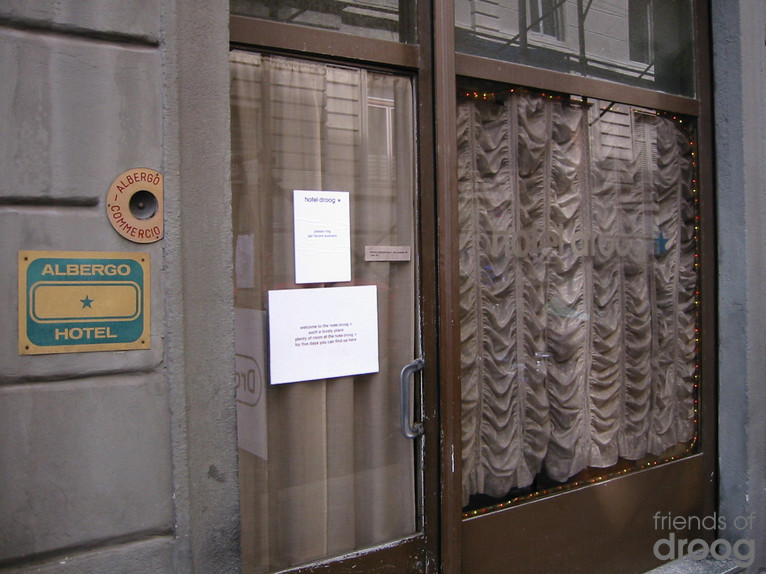
Hotel Droog was a temporary conceptual design project by the Dutch design collective Droog, presented in April 2002 in a modest one-star hotel on Via Mercato, Milan. For five days, the existing hotel, without renovation or aesthetic upgrading, was rebranded and reframed as Hotel Droog, transforming it into an immersive design experience.
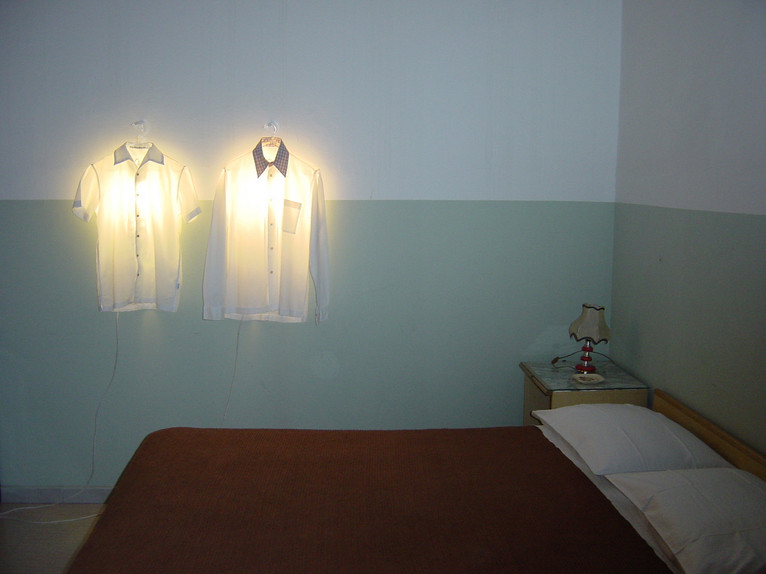
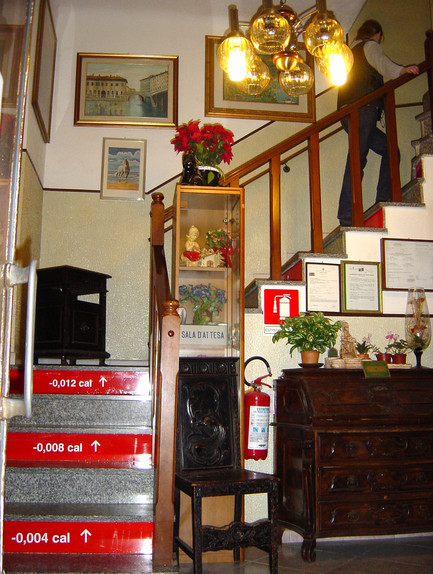
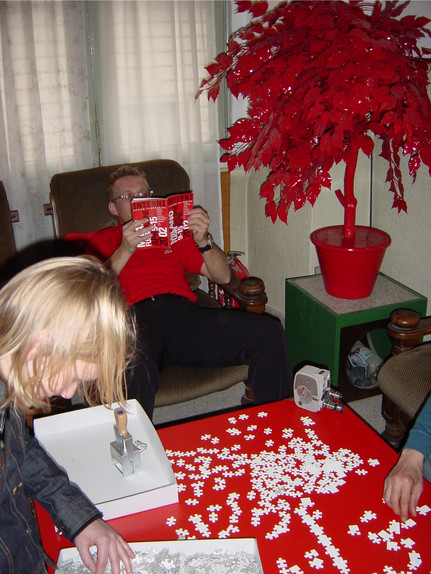
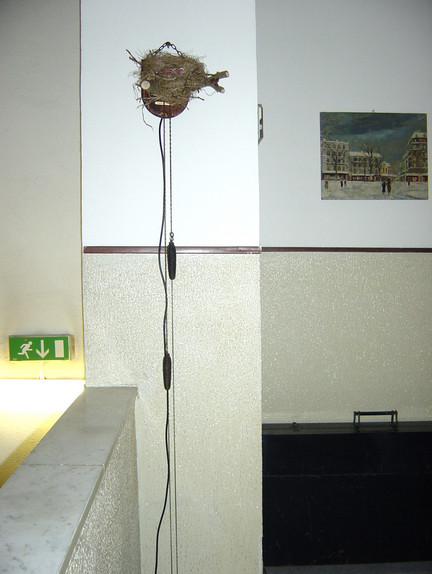
Rather than redesigning the building or replacing its furnishings, Droog deliberately left the hotel largely untouched. The project operated through minimal, strategic design interventions: selected objects by invited designers were discreetly placed within the rooms and common areas, blending almost seamlessly into the existing environment. At first glance, nothing appeared to have changed — yet everything had.
This approach challenged visitors to question where design begins and ends. Many guests attributed aesthetic intention to elements that were not designed at all, while overlooking actual design additions. In doing so, Hotel Droog exposed how context, framing, and expectation shape our perception of value, beauty, and authorship.
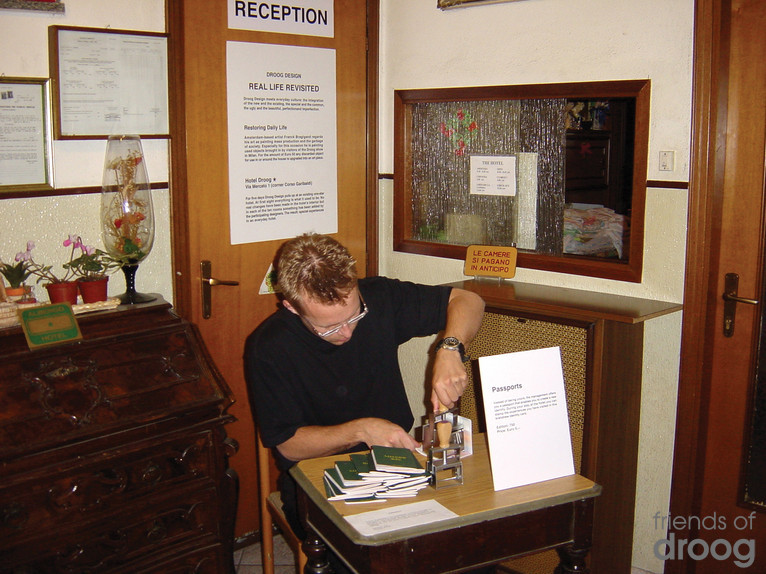
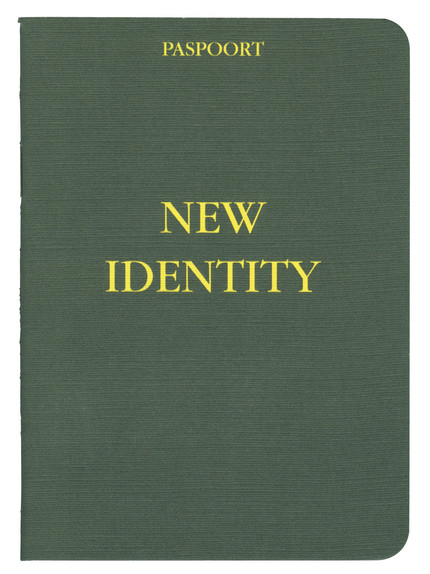
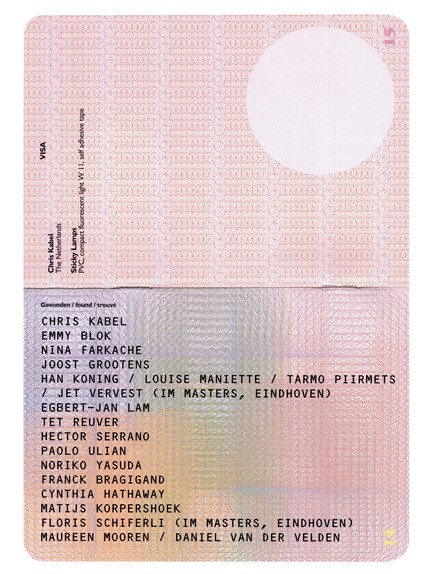
Visitors entered the project through a conceptual ritual. Each guest received a specially designed passport, created by Daniel van der Velden and Maureen Mooren, allowing them to adopt a new identity during their stay. The passport also functioned as a catalogue, collecting stamps corresponding to the designers’ contributions throughout the hotel. This playful device reinforced the project’s themes of narrative, participation, and role-play.
During its brief opening, Hotel Droog attracted approximately 6,000 visitors, many of whom experienced the hotel not as an exhibition in the conventional sense, but as a lived, ambiguous space suspended between reality and design fiction.
The Via Mercato project became a defining example of Droog’s philosophy: design as attitude rather than object, where meaning emerges not through spectacle, but through subtle shifts in perception. Hotel Droog questioned the hierarchy between the designed and the everyday, proposing that design can exist not only in form, but in interpretation.
This early experiment laid the conceptual groundwork for later explorations of hospitality, narrative space, and experiential design within Droog’s practice — most notably the permanent Hotel Droog in Amsterdam a decade later — while remaining a landmark project in early 21st-century conceptual design.