how much does a wedding photographer in amsterdam cost for a full day

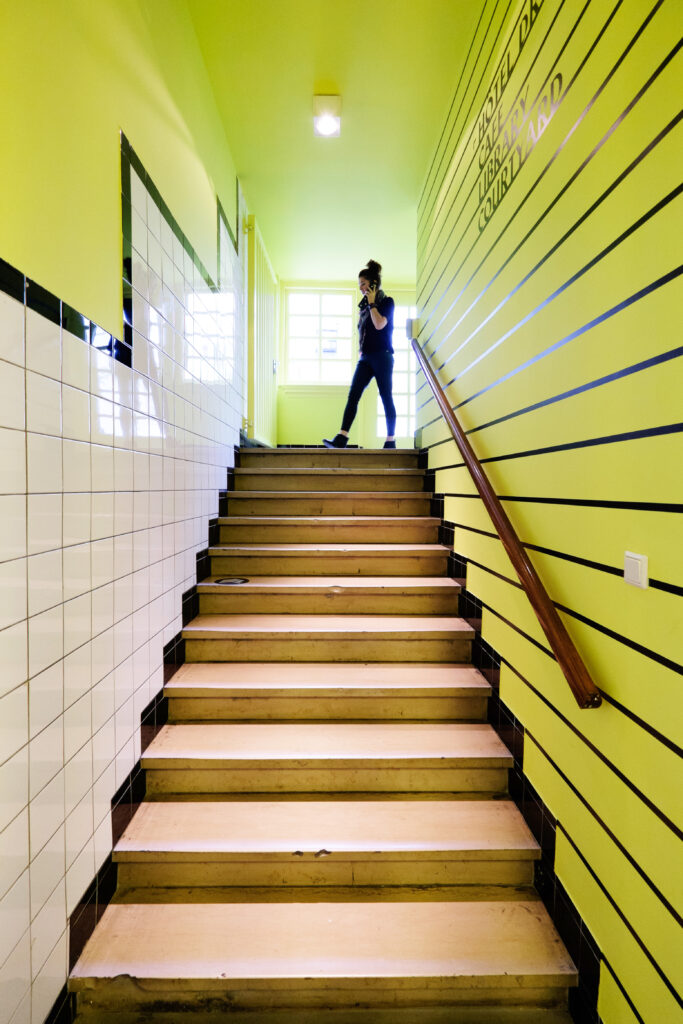
A yellow hallway thats leads to The Cafe

how much does a wedding photographer in amsterdam cost for a full day
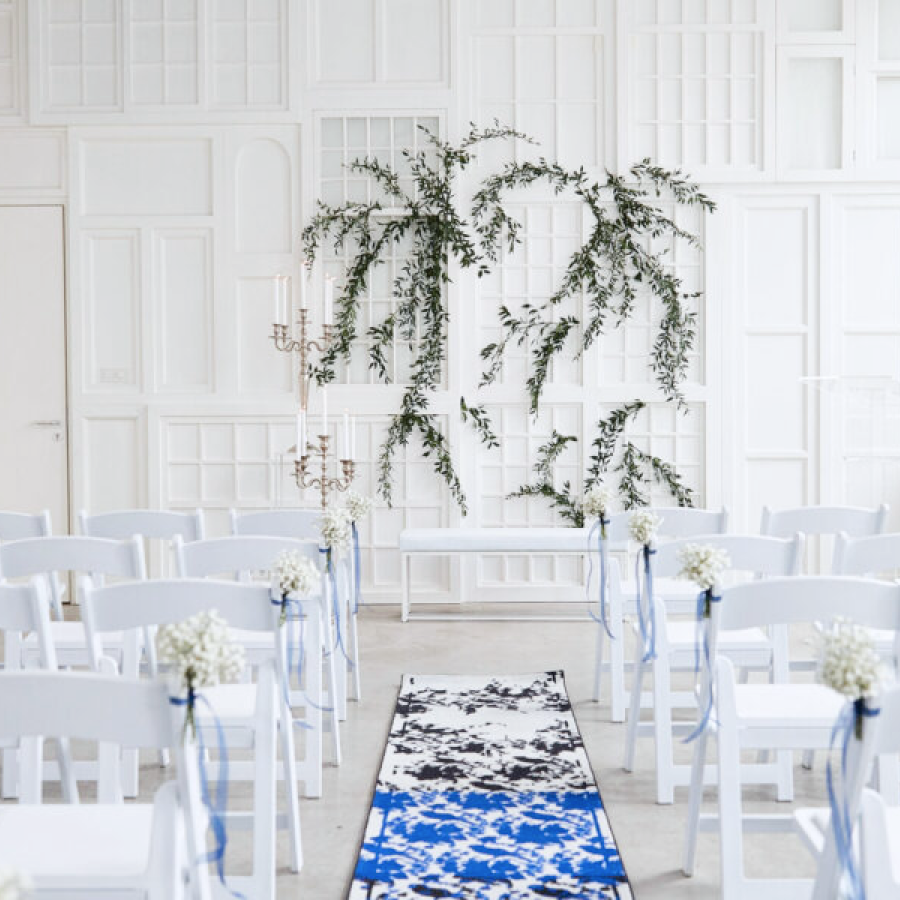
Wedding/trouwerij met blauwe loper in white space

Short answer: expect to pay between €1,500 and €4,500 for a full day of wedding photography in Amsterdam. That range is wide on purpose, because the word “full day” means something different to every couple, and so does the word “photographer.”

This article breaks down what drives the price, what you actually get at each level, and what questions are worth asking before you sign anything.

what a full day actually means

Most Amsterdam photographers define a full day as eight to ten hours of shooting. That usually covers getting ready in the morning through the first dances in the evening. Some packages start at the ceremony and end after dinner. Others begin at hair and makeup and run until midnight.

Before you compare quotes, check what each photographer counts as “day one.” An eight-hour package at €2,200 and a twelve-hour package at €2,600 are very different offers, even if the numbers look close.

the price brackets, broken down

Amsterdam wedding photographers tend to cluster into three tiers. Each one reflects experience, editing style, deliverables, and how much time they spend on your images after the wedding.

tier one: €1,000 to €1,800
This range usually covers photographers who are building their portfolio, recent graduates from art academies, or photographers who shoot weddings as a secondary specialism. You can find genuinely talented people here. The risk is consistency: a less experienced photographer may nail the ceremony and lose the light during golden hour portraits. Ask to see a full gallery from one wedding, not just the best twelve images from five different events.

tier two: €1,800 to €3,000
This is the middle market in Amsterdam, and it is well-populated. Photographers in this bracket typically have three to eight years of wedding experience, deliver 400 to 600 edited images, and offer a clear contract with usage rights spelled out. Many include a pre-wedding shoot (also called an engagement shoot or location shoot) to give you both a chance to work together before the actual day.

tier three: €3,000 to €5,000 and above
Top-tier Amsterdam photographers often have editorial work alongside their wedding portfolios, work with second shooters, and deliver albums as a standard part of the package rather than an add-on. Turnaround times are fast, communication is handled professionally, and they tend to be booked six to eighteen months in advance. If you are getting married on a Saturday in June or July, this bracket is worth contacting early.

what moves the price up or down

Several variables shift the final number significantly. It is worth understanding each one before you start collecting quotes.

  • hours of coverage. Most photographers charge per hour beyond their base package. An extra two hours can add €300 to €600.
  • second shooter. A second photographer captures moments the main shooter cannot be in two places for simultaneously. This adds €300 to €800 to most packages, and is almost always worth it for weddings with 80 or more guests.
  • travel. Amsterdam photographers may charge for travel if your venue is outside the ring road or in a different city. Some include travel within the Netherlands; others charge per kilometre.
  • album production. Printed albums are usually not included in the base price. A quality layflat album from a Dutch printer typically costs €400 to €900 on top of the photography fee.
  • editing style. Heavy retouching takes more time. If you want every table guest individually corrected, that is a different job than a documentary style where the light and moment do the work.
  • day of the week. Friday and Sunday weddings are often 10 to 20 percent cheaper than Saturdays. If your venue is flexible, this is an easy saving.

amsterdam-specific considerations

The city itself is part of the equation. Amsterdam offers extraordinary photography locations: canal reflections on the Herengracht, the light that falls through tall windows in converted historical buildings, the green courtyards hidden in the Jordaan. A photographer who knows Amsterdam will know when and where to find that light. Someone arriving from outside the city for their first time may not.

Practically speaking, Amsterdam also means narrow staircases, cobblestones in heels, and bike traffic on every canal-side street. These are logistical facts, not problems, but they reward experience. A photographer who has shot fifteen Amsterdam weddings will have solutions ready that someone newer to the city is still discovering.

Permits are another factor. Some locations in Amsterdam require a permit for photography, especially inside museum buildings or on certain bridges. Your photographer should know this, or at least be willing to find out before the day.

if you are holding your reception or dinner at @droog

@droog on Staalstraat has become a preferred venue for couples who want something that is not a hotel ballroom or a function room with a garden. The building dates from 1641, it was home to the Drapers’ Guild, and every room inside has a visual logic that most wedding venues simply do not have.

For photographers, the building is genuinely interesting to work in. The grand space on the ground floor opens directly onto the garden through a large sliding door, which gives a photographer natural light on one side and a controlled interior on the other. That combination is useful during the reception, the toasts, and the first moments after the ceremony when couples often want quiet portraits without leaving the venue.

The white space upstairs has large windows that frame the Amsterdam roofline and garden below. The library seats ten around a long table under a flat chandelier, with flowered wallpaper based on a Rijksmuseum painting. These are rooms with detail, which is exactly what a photographer with a good eye looks for.

If you are considering @droog for your wedding dinner or celebration, it helps to share the full floorplan with your photographer before the day. The building has multiple levels connected by a yellow hallway staircase, and knowing the flow of the space in advance saves time on the day itself.

Curious what a full event at @droog would look like? Tell us what you have in mind.

request quote

questions to ask every photographer you consider

Comparing prices without comparing deliverables is not useful. These questions give you a consistent basis for every conversation.

  • Can I see a complete gallery from one wedding, start to finish?
  • How many edited images will I receive, and what does “edited” mean to you?
  • What is the turnaround time from wedding day to delivery?
  • Who owns the copyright, and what am I allowed to do with the images?
  • Do you have liability insurance?
  • What happens if you are ill or have an emergency on the day?
  • Have you worked at my venue before, or are you willing to visit it in advance?
  • Is a second shooter included, and if not, what does adding one cost?
  • What is the payment schedule and cancellation policy?

That last one matters more than most couples realise. Some photographers require the full fee upfront. Others ask for 30 percent on booking and the remainder two weeks before the wedding. If your plans change, knowing the cancellation terms in advance protects both sides.

the engagement shoot: underrated and underused

Many Amsterdam photographers include a pre-wedding shoot in their full-day packages, or offer one as an optional add-on for €200 to €500. This is not just for the photos. It is a trial run for both of you.

An hour in a park or along a canal with your photographer before the wedding tells you whether the working relationship is comfortable. Some couples are naturally relaxed in front of a camera. Most are not, at first. The engagement shoot gives you both a chance to get past that before the day when it actually counts.

The photos are also useful: for invitations, website headers, or simply to have. But the main value is the confidence it builds, for the couple and for the photographer.

how to read a photography contract

A solid contract protects the couple and the photographer equally. If a photographer works without a contract, that is information.

The contract should specify the date, location, number of hours, number of edited images to be delivered, format of delivery (digital files, USB, online gallery), delivery timeline, rights of use, payment schedule, and what happens in case of illness or emergency on either side.

Rights of use deserves a second read. Most wedding photographers retain the right to use images for their portfolio and marketing. That is standard and reasonable. If you want images kept completely private, that needs to be negotiated separately, and it may affect the price.

frequently asked questions

is it cheaper to book a photographer just for the ceremony?
Yes. A ceremony-only shoot in Amsterdam typically runs between €600 and €1,200 for two to three hours. It covers the ceremony and a short portrait session, but nothing else. If you have a dinner or celebration later in the day, those moments will not be documented unless you book additional coverage.

do amsterdam photographers charge more for canal weddings?
Not usually, unless the location requires a boat or special access. Canal-side locations like the Brouwersgracht or Leidsegracht are public, free to use, and well known to most local photographers. Some specific bridges require a permit from the municipality; ask your photographer to check in advance.

what about videography, is it usually bundled?
Rarely at the full-day level, though some studios offer combined packages. A wedding videographer in Amsterdam typically costs between €1,500 and €4,000 separately, depending on length of coverage and the type of edit delivered. Booking photography and video from the same studio often results in a discount of 10 to 15 percent.

how far in advance do I need to book?
For a Saturday in peak season (May through September), booking twelve to eighteen months ahead is realistic for experienced photographers. Mid-week dates and winter weddings have more availability. A good rule: once your date and venue are confirmed, contact photographers immediately.

can I negotiate the price?
Some photographers have fixed rates, others have flexibility. Asking rarely hurts. What tends to work better than asking for a lower price is asking what the same budget gets you. A photographer at €2,500 who offers an eight-hour package may extend to ten hours for the same price in a quieter month. It is worth asking what flexibility looks like before assuming the number on the website is the final word.

what if I want photos inside the venue but it is dark?
Ask every photographer you meet how they handle low light. Indoor reception spaces, candlelit dinners, and evening dances all test a photographer’s technical ability. Ask to see examples from indoor evening events, not just outdoor golden-hour portraits. The gap between photographers on this specific point is large.

a note on value vs. price

Wedding photography is one of the few purchases where the product arrives after the event is over. You cannot return it if it does not meet expectations, and you cannot go back and reshoot. That asymmetry is worth taking seriously.

The photographer who costs €800 less may be exactly the right choice. Or the difference may show up six months later when you open the gallery and wish you had spent more time on the decision. Neither outcome is guaranteed by price alone. The best indicator is a full gallery from a comparable wedding, a clear contract, and a straightforward conversation about how the photographer works.

Amsterdam has a genuinely strong community of wedding photographers. The city attracts creative talent, it rewards people who know light, and it offers enough variety in venues and seasons to keep good photographers sharp. At every price point in this article, there are photographers doing excellent work. The job is finding the one whose eye matches what you have in mind for your day.

if your wedding involves a venue with a strong visual identity

Some venues do part of the photographer’s job before the first guest arrives. @droog is one of them. The building has been photographed extensively since it opened as a design hotel and venue in the early 2000s, and its rooms have a visual consistency that comes from deliberate design rather than decoration. The red theatre room, the flowered wallpaper in the library, the blue butterfly lamp in the cafe, the garden framed by the windows of four different rooms: these are details that reward a photographer who notices them.

If your wedding or celebration is here, sharing the floor plan and a brief description of the program with your photographer in advance is worthwhile. Knowing which room holds the dinner, where the speeches happen, and how guests move through the building helps any photographer plan their coverage rather than discover it on the day.

Tell us what you are planning. We can share the specifics of each room and help you think through how the day could flow.
request quote

what is the cost of a civil wedding ceremony at amsterdam city hall

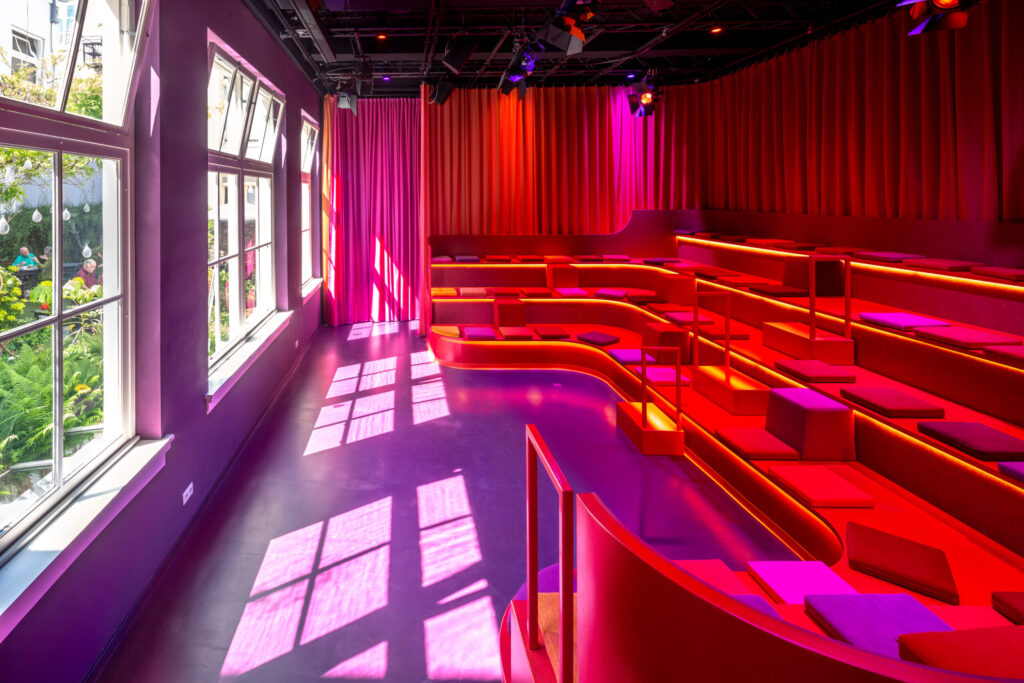
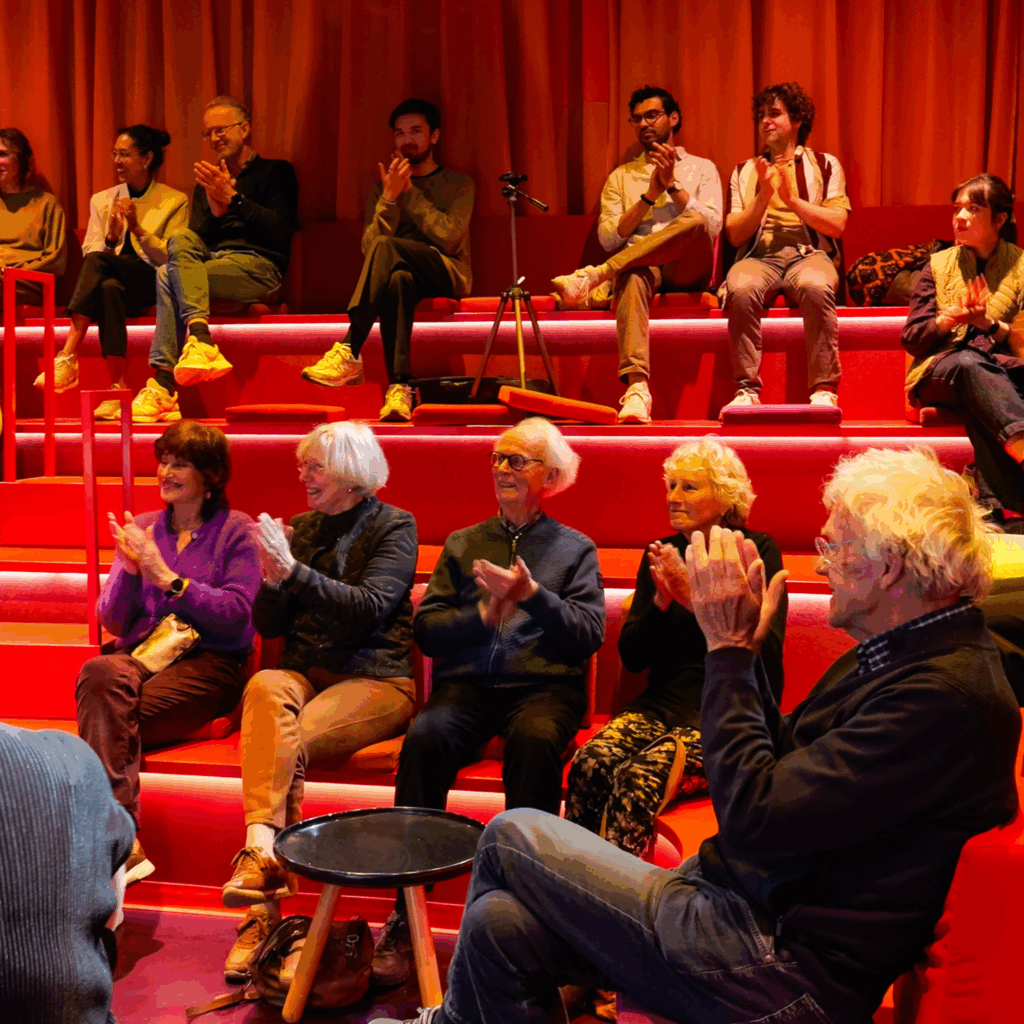
Rode ruimte (The Red Space) met de gordijnen open.

what is the cost of a civil wedding ceremony at amsterdam city hall

Wedding/trouwerij met blauwe loper in white space

Short answer: a civil wedding ceremony at Amsterdam City Hall costs between roughly €165 and €830, depending on when you marry and what you choose. That range covers everything from the most basic option on a weekday morning to a full ceremony with a registrar who comes to you on a Saturday afternoon.

Below, every fee explained clearly. And if you are already thinking beyond the ceremony itself, you will find some thoughts on what happens after you sign.

the official fee structure

Amsterdam’s municipality (Gemeente Amsterdam) sets the fees for civil marriage. These are updated periodically, so always confirm the current rates at gemeenteamsterdam.nl or at the Stadsloket nearest to you. The structure as of 2024 looks like this.

the free ceremony (gratis huwelijk)
Amsterdam offers one free civil ceremony per week, on a fixed weekday morning, at the registry office. It is short, around fifteen minutes, and you share the timeslot with no particular styling or flexibility. Two witnesses and two partners. That is the arrangement. It is a real, legal marriage. It just comes without extras.

the standard weekday ceremony
If you want to choose your own time on a weekday, the cost runs from approximately €165 to €250. The ceremony takes place at a Stadsloket or a designated wedding location in Amsterdam. You get more control over timing. The officiant is a civil registrar employed by the municipality.

the saturday ceremony
Saturdayis the most popular day. The price reflects that. Expect to pay between €500 and €830 for a Saturday ceremony at an official Amsterdam location. The higher end applies when you book a premium location or a longer time slot.

location surcharges
The municipality partners with a number of designated wedding locations across the city. Some of these carry additional location fees on top of the base ceremony cost. The Westerkerk, for instance, is a popular choice and adds to the total. Always ask for the full breakdown when you inquire.

the officiant who comes to you
Amsterdam also allows couples to bring the registrar to a location of their own choosing. This is called a buitenhuwelijksvoltrekking (a marriage outside the registry office). The fee for this service is higher, often €600 to €830 or above, plus whatever the external venue charges. This option is worth considering if the ceremony itself is part of an experience you are designing.

what the city hall fee does not include

The municipality fee covers the legal act. It does not cover:

  • flowers, decoration or styling
  • photography or video
  • catering before or after
  • transportation
  • the reception or dinner
  • printed materials
  • the rings (obviously)
  • accommodation for guests

Most couples spend significantly more on the surrounding event than on the ceremony itself. A ceremony costing €500 is frequently the smallest line on the wedding budget.

the administrative steps before you marry in amsterdam

The legal process has a specific order. Getting it wrong costs time, sometimes money.

step 1: check residency requirements
At least one partner must be registered as a resident in Amsterdam, or have another legal connection to the municipality. If neither of you lives in Amsterdam, you can still marry there, but you need to apply for permission from your own municipality first.

step 2: submit your marriage intention (melding voorgenomen huwelijk)
Dutch law requires you to formally declare your intention to marry at least two weeks before the ceremony. This cannot be skipped. You do it in person at a Stadsloket, with valid identification for both partners.

step 3: gather your documents
Both partners need a valid passport or ID. Additional documents depend on nationality, previous marriages, and country of birth. For non-Dutch nationals, the list can be substantial: birth certificates, proof of civil status, sometimes an apostille. Give yourself at least two to three months for this if any international documents are involved.

step 4: book your date and location
Popular dates, especially Saturdays in spring and early autumn, fill up fast. Amsterdam’s registry books open roughly one year in advance. If you have a specific date in mind, do not wait.

step 5: confirm your witnesses
You need two witnesses, both over 18, both with valid ID on the day. They sign the register alongside you. That is a legal requirement, not a formality.

the question couples forget to ask

Most couples focus on the ceremony location. The more interesting question is what happens between signing the register and midnight.

Amsterdam is a city with a lot of hotel ballrooms, restaurant private dining rooms and event spaces all offering a version of the same thing. White tablecloths, a standard menu, a DJ in the corner. That is one way to spend the day. It is not the only way.

The couples who come to @droog usually know they want something different. They are not sure yet what that means. That is a reasonable starting point.

what @droog offers for wedding receptions and celebrations

@droog is a building from 1641 on the Staalstraat in Amsterdam, originally the Drapers’ Guild hall. It has been a design destination since 1993, when Renny Ramakers and Gijs Bakker launched what became one of the most referenced design movements in the Netherlands. The building is not styled like a wedding venue. That is the point.

There are five spaces, each with a different character. Use one, combine several, or take the whole building.

the grand space
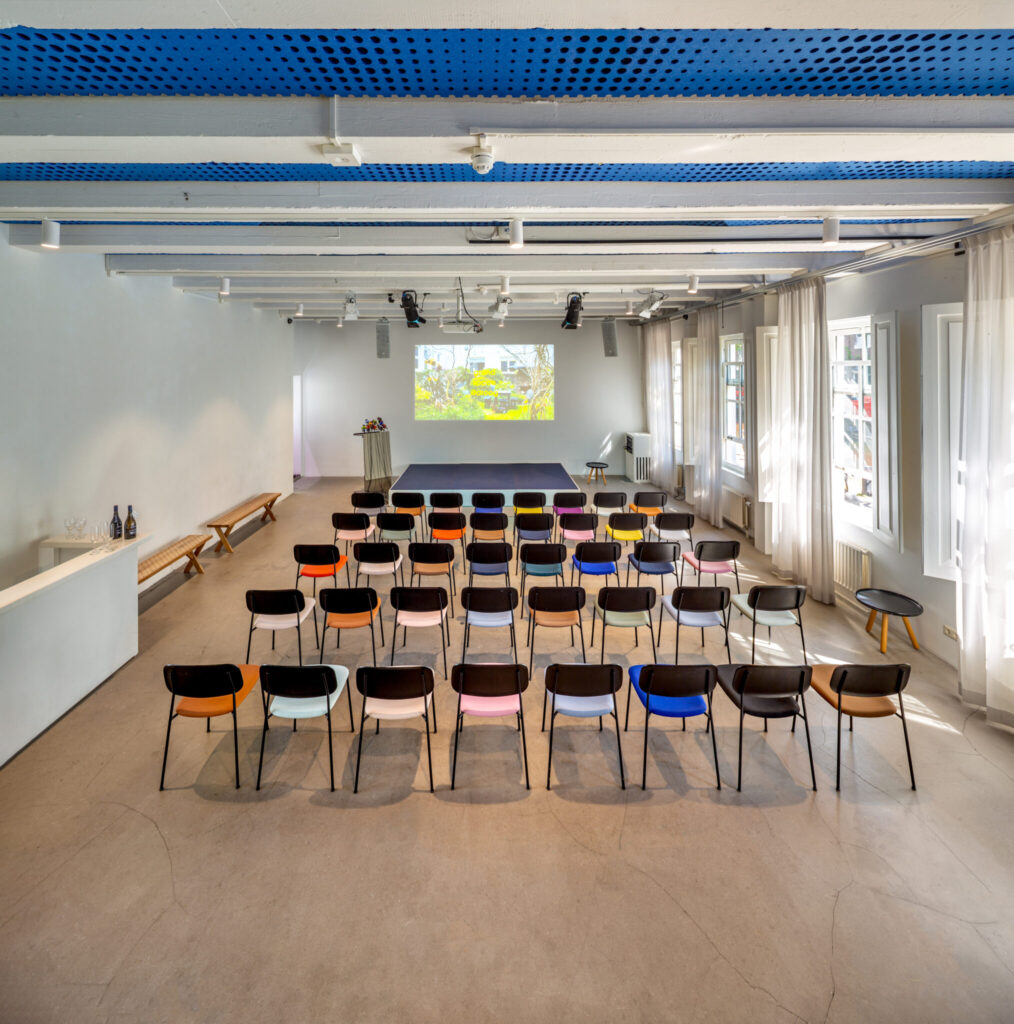
Ground floor, giant sliding door, direct access to the garden. Up to 160 people standing, 90 seated. Stage included. It has hosted brand launches, conferences and parties in the same month. A wedding reception fits naturally.

the red space
Red, pink, orange, purple. A round U-shaped tribune with movable cushions. This is the theatre room. It seats up to 80, though 50 to 60 people feel more comfortable. Fewer than 20 and the room starts to look empty. If you are planning a ceremony with a speech, a performance or a moment that asks people to really pay attention, this is the room.

the white space
Upstairs. Large white windows with views onto old Amsterdam rooftops and the garden below. 70 people in theatre setting, 50 seated with tables. It has held a PhD promotion and a book launch and a small concert. A wedding ceremony, the kind you hold after the registry, works here too.

the library
Also upstairs. Long table, yellow chairs, flowered wallpaper based on a Rijksmuseum painting, a flat chandelier above. Up to 10 around the table. It is an ideal room for a private dinner for the people closest to you. The kind of dinner where you actually talk to everyone.

the cafe
Top of the yellow hallway staircase. Blue butterfly lamp, curved white tiled bar, a fireplace, windows over the Groenburgwal canal. Up to 180 standing, 70 seated. It is probably the most beautiful room in the building. It has been open to the public every day for lunch since 2004. For an evening, it is yours.

The building is also next to its own garden. That matters in Amsterdam, where outdoor space in the city centre is rare.

request quote

what a wedding day at @droog could look like

This is an example, not a package. @droog does not sell packages.

Morning: ceremony at Amsterdam City Hall or at the Westerkerk, twenty minutes by foot or bike from the building. Early afternoon: reception in the grand space with the garden open. The design objects around the room give people something to look at and talk about, which means you do not need to manage the energy yourself. Late afternoon: dinner in the cafe restaurant, canal view, fireplace if the season calls for it. The 10 people you most wanted at the table move to the library for the last hour. That is a full day. It costs less than a hotel ballroom with an events coordinator who handles forty weddings a year.

frequently asked questions

can we have both the ceremony and reception at @droog?
Yes, if you bring a civil registrar to the building. Amsterdam allows this. The city charges a higher fee for the registrar to come to an external location, but the arrangement is legal and not unusual. The red space or the white space works well for a ceremony of this kind.

do you need a permit to marry outside city hall in amsterdam?
Not a separate permit, but you need to coordinate with the municipality. The registrar who comes to your location is still a Gemeente Amsterdam employee. The booking goes through the municipality, not the venue.

how far in advance should we book the reception venue?
For a Saturday in May, June, September or October, twelve months in advance is not excessive. For a weekday or a less popular month, six months is usually enough. The ceremony at city hall books separately, often earlier.

what does catering look like at @droog?
The cafe restaurant has its own kitchen. For events, the catering is built around the same approach as the building: local, deliberate, not default. The specifics depend on your event. This is something to discuss when you reach out.

can we bring our own caterer or florist?
That depends on the type of event and the arrangement. Some elements are flexible. It is worth asking when you make contact.

is @droog accessible for guests with mobility needs?
The ground floor, including the grand space and the red space, is accessible. The upper floor spaces, including the white space, the library and the cafe, are reached by stairs. This is a building from 1641. The architecture is what it is. If accessibility is a priority, the ground floor configuration works well for most events.

how many guests can the building hold in total?
Across all spaces, the building can accommodate a large group, up to several hundred for a standing event using the full building. For a seated dinner spread across rooms, the number depends on configuration. This is a conversation worth having before you decide.

what is the difference between @droog and a standard amsterdam wedding venue?
Most wedding venues in Amsterdam are optimised for weddings. The layout, the lighting, the menu, the coordination, the photogenic backdrop. All of it is designed to produce a recognisable result efficiently. @droog is not optimised for weddings. It is a building with a point of view, objects chosen by designers, a kitchen with an opinion about food, and rooms that have been used for things you would not expect. That difference is either exactly what you are looking for or not what you need at all. Both are honest answers.

the total cost of a wedding in amsterdam: a realistic picture

Amsterdam couples often underestimate the gap between the ceremony fee and the total wedding budget. Here is a rough framework based on common experience.

  • Civil ceremony at city hall (Saturday): €500 to €830
  • Photography: €1,500 to €3,500
  • Catering per head (dinner): €60 to €150
  • Venue hire: €1,000 to €8,000 depending on space and day
  • Flowers and styling: €500 to €3,000
  • Music or entertainment: €500 to €2,500
  • Printed materials and other: €200 to €800

A wedding for 60 people in Amsterdam typically lands between €15,000 and €40,000 in total. The city hall fee is a small fraction of that. The venue choice shapes how the rest of the budget works.

a note on the building

The Staalstraat is one of the quieter streets in the centre of Amsterdam. The building at number 7b has been standing since 1641. It has been a guild hall, a commercial space and a design destination. The canal is outside. The design objects are inside. Nearly everything in the space has been chosen or built with a reason behind it, which means there is always something in the room worth noticing.

If you are planning a wedding in Amsterdam and the standard options feel like they were made for someone else, it might be worth finding out what a day here actually looks like.

request quote

wedding catering cost per person amsterdam canal house dinner reception

wedding catering cost per person in amsterdam: what a canal house dinner reception actually costs

You are planning a wedding dinner in Amsterdam. You have found a canal house. Now comes the question everyone asks eventually: what does catering cost per person, and what does that number actually include?

This article breaks it down. Not to sell you a package, but to give you a clear picture of what drives the cost, what you can control, and what to ask before you sign anything.

the short answer: what does wedding catering cost per person in amsterdam?

For a seated dinner reception at a canal house venue in Amsterdam, most couples budget between 95 and 180 euros per person for catering alone. That range is wide because catering is not one thing. It is a collection of decisions, and each one moves the number.

Here is how the range typically breaks down:

  • Basic seated dinner (3 courses, house wine, sparkling water): 95 to 120 euros per person
  • Mid-range dinner (3 to 4 courses, curated wine pairing, welcome drinks): 120 to 155 euros per person
  • High-end or fully bespoke dinner (custom menu, sommelier, premium spirits, full bar): 155 to 200+ euros per person

These numbers reflect catering only. Venue hire, florals, AV equipment and staffing are usually separate line items.

what drives the cost per person?

Five factors move the number more than anything else.

1. the number of courses

A 3-course dinner is the standard. Add an amuse-bouche, an intermezzo, a cheese course or a dessert buffet and the cost per head rises accordingly. Each additional course adds roughly 10 to 20 euros per person depending on the ingredient level.

2. beverage package

Drinks are where budgets tend to drift. A flat per-person beverage package (welcome drink, wine with dinner, toast) is easier to predict than an open bar. Open bars are common at Amsterdam receptions and can add 30 to 60 euros per person, depending on duration and spirit selection.

3. service style

Plated service needs more staff per table than a buffet or family-style meal. More staff means higher labour cost, which flows through to the per-person price. At canal house venues, where kitchen access is sometimes limited, caterers also factor in logistics and prep time.

4. local and seasonal sourcing

Menus built around Dutch seasonal produce, local cheese and regional suppliers cost less than menus built around imported or out-of-season ingredients. Local sourcing is also increasingly a decision that couples care about, not just a budget lever.

5. guest count

Smaller guest lists cost more per head. A caterer preparing dinner for 30 people carries similar fixed costs (kitchen prep, transport, staff) as one preparing for 70. Spreading those fixed costs over more plates brings the per-person price down. Most caterers work with a minimum spend rather than a minimum headcount.

canal house venues in amsterdam: what makes them different

Canal houses are not purpose-built event spaces. They are 17th-century buildings that have been converted, restored or repurposed, and that history comes with certain practical realities.

Kitchens are often small or not commercial-grade. Staircases are narrow. Load-bearing walls are where they are. Good caterers who work regularly in canal house settings know how to navigate all of this. Ask any caterer you are considering whether they have worked in historic Amsterdam properties before. The ones who have will not blink. The ones who have not will give you a longer answer.

The building itself also becomes part of the experience. Exposed brick, original beams, canal views through tall windows, rooms that were clearly designed for something else entirely. These details do not cost extra, but they do shape the dinner.

a dinner reception at @droog: what the spaces offer

event in de red space met bezoekers

@droog is a design venue on the Groenburgwal canal in Amsterdam, in a building from 1641 that housed the Drapers’ Guild. It is not a wedding-only venue. It is a place where design thinking and deliberate purpose shape how events are run. That includes weddings.

Several rooms work well for a wedding dinner reception, depending on guest count and format.

the cafe restaurant

At the top of the yellow hallway staircase. Seats 70 for a dinner, or 180 standing. The room has a blue butterfly lamp, a fireplace, a curved white tiled bar and views over the Groenburgwal canal. It opens to the public daily for lunch, which means the kitchen runs every day, not just on event days. That matters. For a wedding dinner of 40 to 70 people, this is the most atmospheric room in the building.

the white space

Wedding/trouwerij met blauwe loper in white space

Upstairs. Large white windows that look out onto Amsterdam’s canal-side rooftops and the garden below. Seats 50 with tables, or 70 in a theatre setting. For a wedding dinner that also needs space for a ceremony or speeches, this room handles both without feeling like a compromise.

the library

Also upstairs. A long table, yellow chairs, flowered wallpaper based on a painting in the Rijksmuseum and a flat chandelier above. Seats 10 around the table. No more than that. This is not a room for a large reception. It is a room for a small, private wedding dinner where the intimacy is the point.

the grand space

Ground floor. A giant sliding door opens the room to the garden. Seats 90, or 160 standing. For a wedding that starts with a standing reception and moves into dinner, the grand space and the garden together give you the flexibility to run both without moving people between buildings.

Events at @droog are not limited to one room. If your wedding needs a ceremony space, a dinner room and a bar area, the building has the capacity to hold all three at once.

request quote

how to structure your catering budget

Start with guest count and format. A seated dinner for 50 is a different budget from a standing drinks reception for 120. Once you know the format, you can build the per-person number from the bottom up.

A simple framework:

  • Food (3 courses): 55 to 85 euros per person
  • Beverage package (welcome drink, wine, toast): 30 to 50 euros per person
  • Staffing and service: 15 to 30 euros per person
  • Equipment and linen (if not included in venue hire): 5 to 15 euros per person

Add those ranges together and you get 105 to 180 euros per person, which matches the market range described earlier. The variables are your variables. You decide where to invest and where to simplify.

questions to ask your caterer before you agree to anything

These are the questions that separate caterers who know canal house venues from caterers who are figuring it out as they go.

  • Have you worked in a historic Amsterdam building before, and what did you do differently?
  • What is included in the per-person price, and what is billed separately?
  • How do you handle dietary requirements, and at what point in the planning process?
  • What is your minimum spend, and does that include or exclude VAT?
  • Who is the contact person on the day of the event, and are they the same person we have been planning with?
  • What happens to leftover food and drink?
  • Do you source locally, and can you show us from where?

That last question is worth asking. Caterers who source locally tend to build menus around what is actually good right now, not around a fixed template. For a wedding dinner in Amsterdam, that often means Dutch cheese, North Sea fish, seasonal vegetables from the region and wines from smaller European producers rather than household labels.

what a realistic timeline looks like

Planning a wedding dinner reception at a canal house in Amsterdam typically runs on this timeline:

  • 12 to 18 months before: secure the venue. Canal house venues with waterfront views book up fast, particularly for spring and autumn Saturdays.
  • 9 to 12 months before: select your caterer and agree on a menu direction. Many venues have preferred caterers or in-house catering; confirm this early.
  • 6 months before: finalise the menu, confirm dietary requirements, agree on beverage packages.
  • 4 to 6 weeks before: provide final guest count. Most caterers need this to confirm staffing and produce orders.
  • 1 to 2 weeks before: share the full dietary list with the caterer, confirm the run-of-show and timings.

frequently asked questions

is catering included in canal house venue hire in amsterdam?

Sometimes, but not always. Some venues offer in-house catering as part of the hire fee. Others work with a list of preferred external caterers. And some are entirely flexible. Ask the venue directly, and confirm whether the per-person price in any quote includes both venue hire and catering, or just one of the two.

what is a realistic total budget for a wedding dinner reception at a canal house in amsterdam?

For 60 guests, a realistic all-in budget (venue hire, catering, drinks, staffing, florals, AV where needed) runs between 12,000 and 25,000 euros, depending on the level of catering and the venue. Catering alone accounts for roughly 50 to 60 percent of that total.

can we bring our own caterer to @droog?

Reach out directly. @droog works with an in-house kitchen and café that runs daily, so catering conversations start there. For specific requirements or preferred external suppliers, the team can discuss what is possible.

how many people can be seated for a wedding dinner at @droog?

It depends on which rooms you use. The café restaurant seats 70. The white space seats 50 with tables. The library seats 10. The grand space seats 90. Combined use of multiple rooms can accommodate larger groups across a full wedding day, from ceremony to dinner to drinks.

what is the smallest wedding dinner @droog can host?

The library seats 10 around the table. For an intimate dinner for a small wedding party, it is probably the most specific room in the building for that purpose. Yellow chairs, flowered wallpaper, a long table, a chandelier above. It does not need decoration. It is already there.

does the catering at @droog reflect a design philosophy or is it standard event food?

Sustainability and local sourcing are core to how @droog operates. The kitchen sources locally wherever possible. The menu is not built from a fixed template. What you eat should fit where you are, not just fill a plate count.

a few things worth knowing before you finalise anything

The per-person catering cost is not the only number that matters. What matters equally is whether the food fits the room, whether the room fits the guest count, and whether the team running the event understands the building they are working in.

Amsterdam canal houses are specific. The buildings have character because they have history. That history does not disappear during a wedding dinner. It stays in the room with you, in the ceiling height, the canal view, the floor that has been there for 400 years.

The best wedding dinners in Amsterdam are not the ones with the most elaborate menus. They are the ones where the food, the room, the light and the people are all making sense together at the same time.

That is worth planning for.

request quote

civil wedding ceremony amsterdam centrum with 20 guests and outdoor photos

civil wedding ceremony in amsterdam centrum, 20 guests, and photos outside

Wedding/trouwerij met blauwe loper in white space

Twenty people. A civil ceremony. Amsterdam centrum. And after that, a canal, some light, and a photographer who knows what to do with both. That is not a complicated brief. It is actually one of the best ones.

Small weddings are not a compromise on a larger wedding. They are a different thing entirely. The room is full. Everyone knows everyone. The ceremony feels like something that actually happened, not something that was performed. And when you step outside on the Groenburgwal afterwards, with twenty people and an afternoon to fill, the city does the rest.

@droog, on Staalstraat 7b in Amsterdam centrum, has held events that range from board meetings to theatre performances to PhD promotions. It has also held weddings. The building is from 1641 and used to house the Drapers’ Guild. The rooms are not neutral. They have character, colour, and enough design history to make a ceremony feel like it happened somewhere, not just anywhere.

what makes a 20-person ceremony work

A ceremony with 20 guests lives or dies by the room. Too large and it feels like you forgot to invite people. Too small and there is no air left. Twenty people need a space that holds them without swallowing them.

Three things matter most for a small civil ceremony in Amsterdam centrum:

  • A room that feels intentional, not like a fallback option
  • Enough space for a registrar, two people getting married, and a room full of people who want to actually see that happen
  • A location within walking distance of good outdoor photo spots, because Amsterdam centrum does not run out of those

@droog ticks all three. The building sits on the Groenburgwal, one of the quieter canals in the centre, which is exactly the kind of canal you want in the background of a wedding photo. The Zuiderkerk is two minutes on foot. The Waterlooplein bridge, the Blauwbrug, the Amstel: all within reach without needing a car or a plan.

the right room for the ceremony itself

The library fits 10 people around the table. For a ceremony with 20 guests, it works as a pre-drinks or dinner room, but not as the ceremony room itself. For the ceremony, you want something with a little more theatre.

The white space is upstairs, with large white windows looking out over old Amsterdam rooftops and the garden below. It seats 50 with tables or 70 in theatre setting. For 20 people, that means everyone sits comfortably, there is space to move, and the room does not feel empty. It is bright, calm, and the kind of space where a registrar can do their job without competing with the architecture. This is the room where the ceremony happens.

After the ceremony, the rest of the building opens up. The cafe at the top of the yellow staircase has a fireplace, a blue butterfly lamp, a curved white tiled bar, and windows over the Groenburgwal canal. Seventy people seated, 180 standing. For 20 people, it is generous. It is also probably the most beautiful room in the building, which is saying something.

outdoor photos in amsterdam centrum: where to go

This is the part people sometimes overthink. Amsterdam centrum, in the right light, is its own backdrop. You do not need a plan. You need a photographer who has been here before and twenty minutes of walking.

From @droog on Staalstraat, these spots are all under ten minutes on foot:

  • Groenburgwal, the canal right outside the door. Narrow, quiet, often empty of tourists. One of the most photographed canals in Amsterdam for exactly that reason.
  • Zuiderkerk, the 17th century church two minutes away. The churchyard and the gate are good for small groups. The church itself does not require a booking for exterior photos.
  • Waterlooplein bridge, five minutes east. Wide view over the Amstel, no crowds in the morning.
  • Kloveniersburgwal, one of the wider canals in the centre, lined with old guild houses. Five minutes north.
  • Blauwbrug, the ornate bridge over the Amstel. Ten minutes. Worth it if you want something with more scale.

For 20 people, a photo walk works. You are not moving a crowd. You are moving a group of people who are already in a good mood and do not need much direction.

how a full day could look

Civil wedding ceremonies in Amsterdam are typically short. The registrar, the vows, the signing: 20 to 30 minutes. What you plan around that is where the day actually lives.

A practical structure for 20 guests at @droog:

  • Arrival and welcome drinks in the white space or the cafe, depending on preference. The cafe has the view. The white space has the light.
  • Ceremony in the white space, 20 to 30 minutes. The registrar comes to you. You do not go to the town hall.
  • Outdoor photos, starting on the Groenburgwal and moving from there. One hour, two at most.
  • Lunch or dinner back in the building. The cafe restaurant is open to the public for lunch and can be reserved for private events in the evening. The kitchen produces food worth sitting down for. It has been doing that since 2004.

Everything stays in one location, or within walking distance of it. No buses, no transfers, no one getting lost.

request quote

the design you did not know you were getting

Most wedding venues sell atmosphere through adjectives. @droog sells it through objects. The blue butterfly lamp in the cafe is by Tejo Remy and Rene Veenhuizen. The flowered wallpaper in the library is based on a 17th century painting in the Rijksmuseum. The building itself has been a guild house, a warehouse, and a design gallery. None of that needs to be announced during the ceremony. It is just there.

event in de red space met bezoekers

For a small wedding, this matters more than it does for a large one. With 20 people, guests have time to notice things. They look at the room. They look at what is on the walls. A space with actual design history gives them something to talk about that is not just about the wedding, which keeps the conversation going in the best possible way.

@droog is also committed to local sourcing and sustainable practice. The food comes from local suppliers wherever possible. The building was restored with environmental responsibility as a guiding principle. For couples who care about that, it is not a footnote. It is the reason the building looks the way it does.

registering your civil wedding in amsterdam centrum

Civil weddings in Amsterdam are registered through the Gemeente Amsterdam. The registrar can come to a venue of your choosing, provided the venue is approved or you arrange the formalities in advance. @droog is available for private events, which means the ceremony can take place in the building rather than at the town hall.

A few practical notes for couples planning this:

  • Book the registrar through the Gemeente Amsterdam, not through the venue. The venue handles the room; the municipality handles the legal part.
  • Allow at least three months for planning if you want a specific date and room combination.
  • Check whether you need a free or paid ceremony. Free ceremonies have fixed time slots and locations. Paid ceremonies allow more flexibility on timing and venue.
  • For 20 guests, one room is enough for the ceremony. A second room for drinks or dinner can be added if needed.

what 20 guests actually means for logistics

Twenty people is the number where everything becomes easier. Catering is predictable. The room does not need to be transformed between ceremony and dinner. Parking is not a group problem because most people arrive by tram or bike. And the outdoor photo walk does not require a logistics coordinator.

From Amsterdam Centraal, @droog is 15 minutes by tram (line 9 or 14 to Waterlooplein) or 20 minutes on foot through the centre. From the ring road, it is about the same time by car with parking at Waterlooplein or Frederiksplein nearby.

For guests coming from outside Amsterdam, Staalstraat 7b is easy to find and easy to explain. One address, one day, everything in one place.

frequently asked questions

can we hold the civil ceremony itself at @droog, or only the reception?

The ceremony can take place at @droog if you arrange for the registrar to come to the venue. The building is not a licensed wedding venue in the formal sense, but private event bookings allow for ceremonies with a registrar present. Confirm the specifics with the Gemeente Amsterdam when booking your registrar.

which room works best for 20 people for the ceremony?

The white space is the most practical. It has good light, large windows, and enough room for 20 guests to sit comfortably with space for a registrar and the couple. The cafe restaurant also works if you prefer a more informal setting with a view of the canal.

is the garden available for part of the day?

The garden is accessible from the grand space and the red space on the ground floor, and from the white space upstairs. Depending on the weather and the time of year, it can be used for drinks or photos. It seats 60.

can we do the outdoor photos before the ceremony instead of after?

Yes. Some couples prefer to do the photos first, arrive at the venue, have the ceremony, and then move directly to lunch or dinner. The canal outside the building is available at any time. The order is yours to decide.

does @droog handle catering, or do we bring our own?

The cafe restaurant runs its own kitchen and can cater for private events. For lunch or dinner after the ceremony, the kitchen is the simplest option. External catering can also be discussed depending on the setup.

how far in advance do we need to book?

For a specific date, especially in spring and early autumn when Amsterdam is busiest, booking three to six months in advance is sensible. For dates in winter or on weekdays, there is more flexibility. The earlier the better, not because availability is always tight, but because it removes one thing from the list.

is the building accessible for guests with mobility limitations?

The ground floor spaces, including the grand space and red space, are accessible. The upper floor, including the white space, library, and cafe restaurant, involves stairs. If accessibility is a requirement, the ceremony and reception can be arranged on the ground floor. Let us know what you need and we work around it.

one more thing

A civil wedding ceremony with 20 guests in Amsterdam centrum is not a small version of something bigger. It is complete on its own terms. The right room, the right canal, twenty people who are actually there because they wanted to be. @droog is a building that has been hosting meaningful gatherings since 1641 in one form or another. It knows how to hold a room.

Tell us what you have in mind.

request quote

intimate wedding ceremony in amsterdam old town with canal boat reception afterwards

intimate wedding ceremony in amsterdam old town, followed by a canal boat reception

Amsterdam’s old town is one of those places that makes planning a wedding feel less like logistics and more like storytelling. The Groenburgwal canal, the 17th-century facades, the narrow bridges, the light that does something different here than anywhere else. You already have the backdrop. What you need is a space that holds its own inside it.

@droog sits at Staalstraat 7b, in the heart of Amsterdam’s medieval city centre, inside a building from 1641 that once housed the Drapers’ Guild. That fact alone sets a tone. This is not a blank-slate venue dressed for the occasion. It is a place with its own history, its own design language, its own point of view. And it fits a wedding ceremony the same way it fits a board meeting or a theatre performance: on its own terms, which happen to be interesting ones.

why amsterdam old town works for an intimate ceremony

Intimate means something specific. Not small as an apology, but small as a choice. Thirty guests who matter more than three hundred guests who showed up. A ceremony where you can hear the person next to you breathe, where the room holds the moment rather than swallowing it.

Amsterdam’s old town offers something most wedding destinations cannot: density of meaning in a very small area. Within walking distance of @droog, you have the Zuiderkerk, the Rembrandthuis, the waterways that connect the city’s oldest neighbourhoods. After a ceremony inside, a canal boat is not a novelty. It is the most logical next step in a city built on water.

The combination, ceremony in a designed interior, reception on the water, works because both halves are rooted in the same city. Nothing feels imported or themed. It is Amsterdam being itself, and you are getting married in the middle of it.

the spaces at @droog

Not every room here is right for every wedding. That is a feature, not a flaw. Here is what each space actually offers.

the library, for the ceremony itself

The library is upstairs. Small room, long table, yellow chairs. The wallpaper is based on a painting in the Rijksmuseum, the chandelier above the table is flat and wide, the windows look out toward the garden. It seats ten around the table, which makes it the right room for an intimate legal ceremony with your closest people in the room. A registry wedding here feels considered rather than convenient.

Ten people, one long table, flowers on the wallpaper. That is the whole setting. It does not need more.

the white space, for the celebration

Wedding/trouwerij met blauwe loper in white space

The white space is also upstairs. Large white windows, views of old Amsterdam rooftops and the garden below, natural light that stays generous even on overcast days. It holds up to 70 in theatre setting or 50 seated with tables, depending on how you configure it. For a wedding celebration before the boat, this is where speeches happen, where the prosecco gets poured, where fifty people feel like the right number instead of a compromise.

The space has a beamer if you want to run a slideshow. Most couples who use it for a wedding reception do not bother. The room is enough.

the grand space, if the guest list grows

grand space in congres setting

The grand space is on the ground floor, with a sliding door that opens directly toward the garden. Up to 90 seated, 160 standing. If your ceremony is intimate but your celebration is not, this is where the party lands. Next to the garden, next to the red space, with a stage and full sound system. It has held pop-up stores for Charlotte Tilbury and Shiseido. It can hold a wedding dinner just as well.

the cafe restaurant, for lunch or a private dinner

The cafe restaurant sits at the top of the yellow hallway staircase, with a view over the Groenburgwal canal. The blue butterfly lamp, the curved white-tiled bar, the fireplace: this is the most designed room in a very designed building. It fits 70 seated or 180 standing. For a pre-ceremony lunch, a private dinner the night before, or a late reception after the boat returns, this room does the work quietly and very well.

planning the day: ceremony, celebration, canal

A practical sequence that works well for this kind of day:

  • Morning: guests arrive at @droog, coffee and pastries in the cafe restaurant or the white space
  • Late morning: ceremony in the library, ten to fourteen people maximum around the table
  • Early afternoon: drinks and celebration in the white space or the grand space for the wider group
  • Mid-afternoon: transfer to the canal, the boat departs from a pier within walking distance of Staalstraat
  • Evening: return to @droog for dinner, or continue on to a restaurant of your choice in the neighbourhood

Events here are not limited to one room. If the morning needs the library, the afternoon needs the white space, and the evening needs the grand space, all three are available. Break-outs, dinners, ceremonies: the building is big enough to hold a full day, room by room.

the canal boat reception: what to know

Amsterdam has roughly 100 kilometres of canals. The ones that run through the old town, the Groenburgwal, the Kloveniersburgwal, the Amstel, are the ones that feel most like the city you came for. A boat that departs from near Staalstraat and loops through these waterways gives guests about 90 minutes of Amsterdam from the water, which is the angle most people never get.

A few practical things worth knowing before you book:

  • Boat capacity typically runs from 12 to 40 passengers for private hire, depending on the vessel
  • Catering can be arranged on board, either cold platters and drinks or a more structured meal depending on the boat and the season
  • Evening departures in summer (June to August) offer golden-hour light on the canal houses, which is as good as it sounds
  • Weather contingencies are worth discussing with your boat operator in advance: open boats are better in summer, enclosed salon boats work year-round
  • Departure points near @droog include piers on the Amstel, a five-minute walk from Staalstraat

The boat is not the reception venue. It is the reception. The movement, the water, the old houses sliding past: that is the thing people remember years later, not the tablecloths.

what @droog brings to a wedding that other venues do not

Most wedding venues in Amsterdam offer a room and a catering package. @droog offers a building with a perspective. The design here is not decorative. It comes from Droog Design, a movement that started in 1993 and asked what design is actually for. That question is built into the walls, the furniture, the choices made about what goes where and why.

The result is a space where the setting does not compete with the people in it. The library does not overwhelm a ceremony. The white space holds a celebration without performing one. The cafe restaurant serves lunch that is worth sitting down for, because it has been doing exactly that since 2004.

Sustainability is not an afterthought here. The building and its contents reflect a commitment to local sourcing, responsible materials, and construction decisions made with environmental reasoning. If that matters to the couple getting married, it is already part of the venue without needing to be requested.

And the location is specific: Staalstraat 7b, in a building from 1641, on a street that has been part of Amsterdam’s city centre for nearly four centuries. That is not a detail. That is the address doing work for your wedding before the day even begins.

request quote

making it legal in amsterdam: what couples need to know

A legal wedding ceremony in Amsterdam requires registration with the municipality (Gemeente Amsterdam) at least two weeks in advance, though longer lead time is always better. The civil ceremony itself takes approximately 30 minutes and requires a civil registrar (ambtenaar van de burgerlijke stand) to be present.

Key practical steps:

  • Register your intention to marry at the Stadsloket (municipal office) or online via the Gemeente Amsterdam website
  • Both partners must provide valid identification and, for non-Dutch nationals, a certificate of no impediment from your home country
  • Witnesses: you need two, they must be over 18, and they can be anyone you choose
  • Venue approval: the location must be approved for civil ceremonies. @droog can advise on this during the planning process
  • For EU citizens, the process is straightforward. Non-EU nationals should check requirements specific to their nationality well in advance

The paperwork is not poetic. But it is finite, and once it is done, the rest of the day can be exactly what you planned.

the season question

Amsterdam is a year-round city, and each season offers something different for this kind of wedding.

Spring (April, May) brings the light back and the canal-side trees into leaf. The city is busy with tourists by May, but mornings on the old canals are still quiet. Summer (June through August) is the obvious choice for a canal boat: long evenings, warm water, golden light from 8pm onward. Autumn (September, October) has the best argument for interiors: the light through the white space windows is amber in the afternoon, and the library feels even more like the right room when it is raining outside. Winter (November through February) is the underrated option. The city empties slightly, the canals reflect the lights of the canal houses, and a private canal boat feels genuinely private.

The building from 1641 is indifferent to season. It works in all of them.

frequently asked questions

how many guests can we invite to an intimate wedding at @droog?

It depends on which rooms you use. The library holds 10 around the table, which is right for a legal ceremony. The white space holds up to 50 seated with tables or 70 in a looser setting. The grand space holds up to 90 seated or 160 standing. Most intimate weddings here work with 20 to 60 guests total, across two or three rooms, moving through the building across the day.

can @droog handle catering for a wedding?

The cafe restaurant has its own kitchen and has been serving food since 2004. For wedding events, catering is arranged as part of the event package. Tell us what you have in mind, whether that is a seated lunch, a standing reception, or a dinner, and we work from there.

how far is @droog from canal boat departure points?

Staalstraat 7b sits within a five-minute walk of several piers on the Amstel and the Groenburgwal. The boat company you work with can usually arrange departure from the closest point to the venue. It is a short walk, which is also part of the day: guests moving from the interior of the building into the city, on foot, before boarding.

is the building wheelchair accessible?

The ground floor spaces, including the grand space, are accessible. The upper floors, including the white space, the library, and the cafe restaurant, require stairs. If accessibility is a priority, this is something to discuss early in the planning process so we can find the right configuration for your group.

can we combine @droog with an outdoor ceremony in amsterdam old town?

Yes. Some couples choose to hold a symbolic or celebratory moment outdoors, on one of the nearby bridges or in the garden at @droog, with the legal ceremony inside. The garden sits adjacent to the grand space and the red space, and while it is not a formal ceremony space, it is a courtyard in the middle of the city centre with windows from four rooms looking into it. In summer, it seats 60. Nobody who has used it has forgotten the address.

what makes an intimate wedding in amsterdam old town different from other cities?

Scale. Amsterdam’s old town is walkable in a way that most European capitals are not. The canal, the ceremony venue, the boat departure point, and the dinner afterwards are all within a 10-minute walk of each other. The city does not require a car or a transfer bus. Guests move through it on foot, and that movement is part of the experience. The streets here are not a corridor between venues. They are a venue in themselves.

one last thing

A building from 1641. A room with Rijksmuseum wallpaper and yellow chairs. A cafe with a view of the Groenburgwal. A canal that has been running through the same streets for four centuries. And a boat that leaves from five minutes away.

Tell us what you have in mind.

request quote

intimate indoor wedding venue amsterdam for 30 guests with catering included

an intimate indoor wedding in amsterdam, done properly

Wedding/trouwerij met blauwe loper in white space

Thirty people. That is not a small wedding. That is a precise one. Every seat matters, every detail lands, and there is nowhere to hide behind a crowd. Which means the space has to be right from the start.

@droog is a building from 1641 on the Staalstraat in Amsterdam. It housed the Drapers’ Guild. Now it holds weddings, dinners, PhD ceremonies, concerts and the occasional board meeting, sometimes in the same week. The building has five rooms across three floors, a garden, a canal view and a café-restaurant that has been serving the same idea since 2004: that a meal is worth sitting down for.

For 30 guests, two rooms work particularly well. Both are upstairs. Both have windows. Neither looks like a wedding venue, which is exactly the point.

the rooms

The white space is the larger of the two. Large white-framed windows look out onto the old Amsterdam canal houses surrounding the building and down into the garden below. The room seats 50 with tables, 70 in theatre setting. For 30 guests at a wedding dinner, you have room to breathe, to arrange a long table, to leave space for a small ceremony at one end. It is bright, it is quiet, and the light changes through the afternoon in a way that does not need a photographer to point out.

The library is the other option, and it is very different. Ten seats around a long table, flowered wallpaper taken from a painting in the Rijksmuseum, yellow chairs, a flat chandelier that sits low over the table. The room is intimate in the strict sense of the word: it was built for conversation, not performance. If your wedding dinner is for ten, with the rest of the day elsewhere, this is the room. It is also available as a private dining room for the wedding party the night before, or for a quiet lunch on the day.

catering at @droog

The kitchen is not an afterthought. The cafe-restaurant on the top floor runs daily lunch service and opens to the public, which means the team cooks real food every day, not just for events. Local sourcing is not a marketing line here: it is part of how the building operates. Sustainability and locality are core to @droog’s identity, and that extends directly to what ends up on the plate.

For a wedding of 30, catering can be included as part of the event package. The team works with you on what the meal should look like: a long seated dinner, a standing reception with drinks and small plates, a ceremony followed by lunch, a late afternoon celebration. The format follows the day, not the other way around.

This matters more than it sounds. A lot of Amsterdam venues separate the space from the food, which means two separate conversations, two contracts, two sets of logistics. @droog keeps it in one place.

why 30 guests works here

Most wedding venues are designed around scale. Their pricing, their layouts, their catering minimums, their staff-to-guest ratios: all of it assumes 100 people or more. A wedding of 30 in a venue built for 300 feels like a rehearsal.

@droog is different in structure. The rooms are sized for intimacy. The white space at 30 guests is well-filled, not sparse. The library at 10 is exactly full. The building does not have a grand ballroom waiting to be explained away.

It also means the design details read at human scale. The blue butterfly lamp in the café-restaurant. The chandelier in the library. The Rijksmuseum wallpaper. The yellow chairs. These are not decorations applied to a neutral box: they are the room. At 30 guests, everyone sees them. At 300, they disappear.

One more thing. The building is on the Staalstraat, a five-minute walk from the Waterlooplein metro and a short walk from the city centre. No one needs a car. No one needs to explain where it is twice. Guests arrive by tram, by bike, by foot. That is Amsterdam. It is also, for a 30-person wedding where you know everyone by name, the right kind of arrival.

Ready to see if it fits? Tell us what you have in mind.

request quote

what a 30-person wedding at @droog can look like

There is no standard package because there is no standard wedding. But a few formats come up often, and it helps to see how the building works in practice.

ceremony and dinner in the white space. The room is arranged for a small ceremony at one end, chairs facing a simple focal point, windows on both sides. After the ceremony the room is reset for a long dinner table. The transition takes about thirty minutes. Catering moves from drinks and small plates during the reset to a full seated dinner. The evening runs without leaving the floor.

ceremony in the white space, dinner in the café-restaurant. The café-restaurant on the top floor seats 70 and stands 180. For 30 guests it becomes a private dining room with a canal view, a fireplace, the butterfly lamp and a bar. The two rooms are connected by the yellow hallway staircase. Guests move between floors naturally. The building becomes the experience.

drinks in the garden, dinner in the white space. The garden is a courtyard in the centre of the city. It is open to four rooms. For a summer wedding, guests arrive into the garden for drinks, then move upstairs for dinner. It is the kind of sequence that does not need explaining to guests: the building shows them where to go.

private dinner in the library. For ten people, the library is the only room you need. The flowered wallpaper, the chandelier, the yellow chairs, the windows onto the garden. It is the smallest and most complete room in the building. A wedding dinner here is a dinner, not a venue experience. That is the difference.

the design behind the building

@droog is not a neutral space dressed up for events. It is a building that has been shaped by Droog Design principles since the early 1990s, when Renny Ramakers and Gijs Bakker launched Droog as a design label that challenged what objects should be and why. The furniture, the fittings, the materials and the layouts across the building reflect that thinking. The drawer cabinet by Tejo Remy. The re-used materials in the construction. The deliberate choices about what goes in each room and what stays out.

For a wedding, this matters in a specific way. The backdrop is already considered. You do not need to hire a stylist to make the room look like something. The room already looks like something. Flowers help. Candles help. Beyond that, the space carries itself.

This also means the building has a point of view, which not every couple wants. If you are looking for a white box that disappears behind your decoration, @droog is probably not it. If you want a building that contributes to the atmosphere without competing with it, it is exactly right.

sustainability and local sourcing

Nearly everything within @droog has been selected or built with environmental responsibility in mind. That is a design choice, not a CSR statement. The building itself reflects sustainable construction. The catering prioritises local suppliers. The approach to events follows the same logic: less waste, more intention, better decisions.

For couples who care about this, it is worth knowing that sustainability at @droog is structural, not optional. You do not need to request a green menu or ask about local flowers. The default is already there.

practical information

  • Location: Staalstraat 7b, Amsterdam city centre
  • Guest capacity for intimate weddings: 10 (library) to 70 seated (white space)
  • Catering: included, local sourcing, flexible format
  • Rooms available: the white space, the library, the café-restaurant, the grand space, the red space, the garden
  • Multi-room events: yes, rooms can be combined
  • Accessibility: central Amsterdam, public transport connections, no parking on-site
  • Available: check directly for your date

frequently asked questions

is @droog available for civil wedding ceremonies?

Yes. The white space and the library both work for civil ceremonies. For official registration you will need to arrange the legal paperwork with the gemeente Amsterdam separately. @droog hosts the celebration: the ceremony, the dinner, the drinks, the evening. The legal moment can happen here or elsewhere, depending on your preference.

what is included in the catering?

Catering at @droog is built around the event. The kitchen team works with you on the menu, the format and the timing. Local sourcing is the starting point. For a 30-person wedding dinner, expect to discuss: drinks on arrival, a seated dinner or long table format, wine and non-alcoholic options, and any dietary requirements across your guest list. The specifics are confirmed during the planning process, not fixed in a standard menu.

can we use more than one room?

Yes, and for 30 guests this is often the best approach. A ceremony in the white space, dinner in the café-restaurant, drinks in the garden: the building connects naturally across floors and into the courtyard. There is no minimum room requirement. The event takes as much space as it needs.

what does a wedding for 30 people cost at @droog?

Pricing depends on the rooms used, the catering format and the date. A quote is the fastest way to get a real number. Use the button below and tell us what you are planning: date, guest count, rooms you are interested in, and what the day should feel like. The team comes back with a proposal, not a brochure.

how far in advance should we book?

Popular dates in spring and early autumn go early. For a 2025 or 2026 wedding, the earlier the conversation starts, the more options remain open. That said, @droog has confirmed events on short notice when the date is available. It is always worth asking.

can guests arrive by public transport?

Yes. The building is on the Staalstraat, a short walk from Waterlooplein metro, multiple tram lines and the city centre. Most guests will not need a car, which in central Amsterdam is the correct assumption. Bike parking is available on the street.

is the space accessible for guests with limited mobility?

grand space in congres setting

The ground floor, including the grand space and the garden, is accessible without stairs. The upper floors, including the white space, the library and the café-restaurant, are reached by stairs. Discuss accessibility requirements during planning and the team will work through the practical options with you.

can we bring our own decorations?

Yes. The rooms have their own character, so most couples find they need less than they expected. Flowers, candles and personal items all work well. Large structural decoration or changes to the room are discussed in advance.

one more thing

A wedding of 30 is a considered choice. It means everyone present matters. It means the dinner conversation reaches across the table. It means the photographs have faces in them, not crowds. It means the space you choose has to hold that weight, not absorb it.

@droog is a building that has been making considered choices since 1641, with some additions along the way. The Drapers’ Guild chose the Staalstraat for a reason. Droog Design chose the building for a reason. The teams that have worked in it since have continued choosing, carefully, what goes in and what does not.

For a wedding that works the same way, it is the right address. Tell us what you have in mind.

request quote

affordable indoor wedding venues amsterdam for 50 people with own catering allowed

affordable indoor wedding venues amsterdam for 50 people with own catering allowed

You want to get married in Amsterdam. Fifty people, indoors, and you want to bring your own caterer. That is not an unreasonable wish. It is, however, harder to fulfil than most venues will admit upfront.

Most historic buildings in Amsterdam do not allow outside catering. Most affordable venues do not come with much character. And most design-forward spaces seat 200 or charge accordingly. @droog sits in the middle of all three problems and solves them differently.

The building dates from 1641. It housed the Drapers’ Guild. Today it holds five distinct spaces, a cafe restaurant with a view of the Groenburgwal canal, a kitchen that works with local suppliers, and a policy that is more flexible than most when it comes to who cooks the food. Fifty people fit here comfortably. And the word comfortable does not mean standard.

why finding the right venue for 50 people is harder than it sounds

Fifty guests is a specific number. Too many for a restaurant buyout, too few for the grand ballrooms that dominate most Amsterdam venue lists. You fall into a gap that most venues have not thought about.

What tends to happen: you find a beautiful space that holds 120, get quoted for 120, and spend half your budget on a room that feels half-empty. Or you find a space that fits 50 perfectly but has the atmosphere of a meeting room, because it was designed as one.

The third option, and the one worth knowing about, is a space that was built for something else entirely and simply works at your scale.

the white space at @droog seats 50 with tables. Large white windows look out onto the old Amsterdam canal houses and the garden below. It is upstairs, which means it is quiet. The light comes in from the side. There is a beamer if you want one, and nobody says you have to use it.

what ‘own catering allowed’ actually means at @droog

This is the question most couples forget to ask clearly, and it matters more than almost anything else on the list.

Some venues say own catering is allowed but charge a corkage fee per bottle that quickly erases the saving. Some require you to use their preferred caterer list, which is often their in-house kitchen under a different name. Some venues allow your caterer in but not their equipment, which means your chef shows up and cannot cook anything.

At @droog, the situation is straightforward. The cafe restaurant has a working kitchen. The building has a history of hosting events where food is part of the programme, not a logistical afterthought. If you want to bring a caterer you already trust, that conversation is worth having directly. The team will tell you what is possible, what is not, and why. That is more useful than a policy page.

What does not change: the building sources locally when it prepares food in-house. If you use the @droog kitchen and team, the ingredients come from nearby. That matters to some couples more than others. Worth knowing either way.

the spaces, honestly described

Five rooms. All different. Here is what each one actually is.

the white space

Wedding/trouwerij met blauwe loper in white space

Upstairs. Seats 70 in theatre setting, 50 with tables. The windows are large and white-framed, and they face the old houses on the surrounding streets and the garden. Good light in the afternoon. This is the room for a ceremony followed by a seated dinner. It has the proportions of something that was never meant to be a wedding venue, which is probably why it works well as one. A beamer is included if you want speeches on screen. A PhD promotion has been held here. So has a book launch. A wedding fits.

the cafe restaurant

the cafe is at the top of the yellow hallway staircase. It opens to the public for lunch every day, which tells you something about how it feels: lived in, not preserved. There is a blue butterfly lamp. There is a fireplace. The bar is curved, white-tiled. The kitchen is behind it. From the windows you see the Groenburgwal canal directly. This space holds 70 seated or 180 standing. For a wedding reception or dinner, 50 people have room to move. It is tall and bright and not what people expect when they hear the word affordable.

the grand space

the grand space is on the ground floor, with a sliding door that opens to the garden. It holds 90 seated and 160 standing. For 50 people, it is on the large side unless you want dancing room, an installation, or a market-style dinner layout. Charlotte Tilbury used it for a pop-up. Shiseido did too. It has a stage. The garden is next to it.

the red space

event in de red space met bezoekers

the red space is the theatre. Red, orange, pink, purple. A round tribune with movable cushions that seats up to 80. For a ceremony, it is unusual. That is either a reason to book it or a reason not to. Fifty people on the tribune have room. Twenty people on the tribune looks like a rehearsal. If you want something that feels like nothing else anyone has attended, this is the room.

the library

the library seats 10 around the table. Yellow chairs, a flat chandelier, flowered wallpaper based on a painting from the Rijksmuseum. This is not a wedding room. It is a room for a private dinner after a ceremony, or a room for the couple and their witnesses while everyone else waits downstairs. It is also ideal for a rehearsal dinner the night before.

combining rooms for a full wedding day

Events at @droog are not limited to one space. That sentence is more practical than it sounds.

A ceremony in the red space, a drinks reception in the garden and the grand space, a seated dinner in the white space or cafe restaurant. Fifty people move through three or four rooms over the course of a day. Each room has its own character. The experience is not one room with a schedule, it is a building with a programme.

This is how @droog approaches all its events, not just weddings. The design thinking behind the space is about encounter and perspective, about putting people in environments that shift how they feel and think. That is not marketing language. It is what happens when you put a fireplace next to a canal view and a theatre next to a courtyard garden, in a building from 1641.

request quote

what makes a venue genuinely affordable in amsterdam

Amsterdam has expensive venues. It also has venues that present themselves as affordable but add costs at every step. The checklist below is worth working through before you sign anything.

  • venue hire fee: is this flat, or does it scale with guest numbers?
  • catering: in-house only, preferred list, or genuinely open?
  • drinks: corkage fee per bottle, or a minimum spend?
  • staffing: is event coordination included, or billed separately?
  • technical equipment: beamer, sound, microphone, included or extra?
  • setup and breakdown time: is this within the hire window or billed additionally?
  • damage deposit: refundable, and under what conditions?

At @droog, the spaces come with equipment. The team is used to events that combine multiple rooms. The building is accessible from the street, which matters more than people anticipate when fifty guests are arriving at the same time.

The Groenburgwal location is central. Tram stops within walking distance. The Stopera and Waterlooplein are nearby. Guests arriving from outside Amsterdam can reach it from Amsterdam Centraal in under fifteen minutes.

the design detail that most venues do not have

@droog is a design house first and a venue second. That ordering matters.

The furniture in the building has been selected or designed with intent. Tejo Remy’s chest of drawers, built from found drawers pulled together and strapped, is one of the defining objects of Dutch design of the 1990s. It lives here. The butterfly lamp in the cafe restaurant is not a decoration, it is a statement about material and light. The flowered wallpaper in the library references a seventeenth-century still-life in the Rijksmuseum. These are not styling decisions, they are arguments.

For a wedding, this matters for one practical reason: your photographs. Every corner of the building offers something specific. Not a backdrop, a context. That is different from a venue that has been dressed to look interesting.

sustainability and local sourcing

Nearly everything in the building has been selected or built with environmental responsibility in mind. That includes construction materials, the kitchen’s sourcing policy, and the ongoing decisions about what comes into the space.

For couples who care about this, it is worth asking directly. The team can tell you where the food comes from, how the building is maintained, and what the options are if you want a wedding that reflects those values. The answer will be specific, not a policy statement.

frequently asked questions about indoor wedding venues in amsterdam for 50 guests

can we bring our own caterer?

This depends on your setup. @droog has a working kitchen and works with local suppliers in-house. If you want to bring an external caterer, the conversation is worth having directly. The team will tell you what is possible. Contact them with your catering plan and they will respond specifically.

which room works best for a ceremony for 50 people?

The white space at 50 seated with tables. The red space if you want a theatre-style ceremony with a tribune. The cafe restaurant if you want ceremony and reception in one room with a canal view. All three are different. None of them look like a conference venue.

can we use multiple spaces for one event?

Yes. That is the default at @droog for most events. Ceremony, reception, dinner and drinks can each happen in a different room. Fifty guests move through the building. Each transition changes the atmosphere. This is how the building is designed to be used.

is there outdoor space?

The garden sits between the grand space and the red space. It is a courtyard in the middle of the city. For an Amsterdam wedding in summer, it works as a reception area or drinks space. It is not large enough to seat 50 for dinner, but it is the kind of garden that nobody wants to leave.

what is the hire cost for 50 people?

Pricing depends on which spaces you use, the duration, and what services you include. Request a quote directly through the form. The team will respond with a specific proposal based on your date and requirements.

is the venue accessible?

The building is accessible from street level. Some of the upper floors are reached via stairs. If accessibility for specific guests is a concern, this is worth mentioning when you make contact. The team can advise on the practical options.

how far in advance should we book?

Popular dates in Amsterdam, particularly in spring and early autumn, fill up six to twelve months in advance. If you have a fixed date in mind, make contact early. A brief enquiry costs nothing and confirms availability.

can the library be used for a rehearsal dinner or small pre-wedding gathering?

Yes. Ten people around the table, yellow chairs, Rijksmuseum wallpaper, a flat chandelier. It is a room that has been used for private dinners before and it works well for exactly that purpose.

is parking available nearby?

The Waterlooplein area has several parking garages within walking distance. Amsterdam’s city centre has limited street parking. Most guests arriving from within the city will use public transport. Tram and metro connections are close.

what makes @droog different from other amsterdam wedding venues?

The building is from 1641 and was originally the home of the Drapers’ Guild. The design objects inside it are not decorations, they are part of a thirty-year design history. The spaces were not built to host weddings but they work for them because they were built to create encounter and shift perspective. That is the same thing a good wedding does.

before you book: what to bring to the conversation

When you contact @droog about your wedding, the more specific you are, the more useful the response will be. A few things worth having ready:

  • your date, or two or three options
  • your guest number (50 is specific, which helps)
  • which rooms interest you and why
  • your catering plan: in-house, external caterer, or not yet decided
  • what kind of ceremony you want: standing, seated, theatrical, or something else
  • your timeline for the day

The team is used to events that are not like other events. That is the point of the building. Tell them what you have in mind.

request quote

indoor wedding venue amsterdam waterfront with outdoor ceremony option

an indoor wedding venue on the amsterdam waterfront, with a garden to step outside

The Groenburgwal canal runs right past the windows of the cafe restaurant. That is not a selling point. That is a fact. You can see the water from your seat during dinner. That detail alone answers half the questions people bring to a wedding venue search in Amsterdam.

@droog is a building from 1641 in the centre of Amsterdam, originally the home of the Drapers’ Guild. It now holds five distinct rooms, a courtyard garden, a canal view, and the kind of design culture that makes a wedding feel considered rather than assembled. It is open to the public every day. It has hosted theatre performances, PhD defences, and board meetings. It has also held weddings.

This article walks you through what the building offers for a wedding with an indoor ceremony, an outdoor ceremony option, or both at once. It covers every room, the practical numbers, and the questions couples usually ask after the first visit.

the building

A canal-front location in Amsterdam sounds obvious until you realise how few venues actually have the water in the frame. Most wedding venues in the city are near a canal. @droog is on one. The cafe restaurant upstairs looks directly onto the Groenburgwal. The courtyard garden sits at the centre of the building, surrounded by four rooms that all have windows facing into it. That geometry is unusual. It means your guests can move between inside and outside without losing sight of each other or the space.

The building runs across three floors. Ground floor: the grand space, the red space, and the garden. Upstairs: the white space, the library, and the cafe restaurant. Everything is connected by a yellow hallway staircase that is, in itself, a detail worth noting.

the outdoor ceremony option: the garden

The garden is a courtyard in the middle of the city centre. It seats 60. It is enclosed, which means it is quieter than you expect from a building this central. Four rooms look into it, so the garden never feels disconnected from the interior.

For a wedding, this works as a ceremony space on its own or as a drinks reception area while the room inside is reset for dinner. It also works in reverse: ceremony inside, garden open for the reception hour. The flexibility is structural, not a workaround.

Nobody has ever asked for the address twice.

the spaces, one by one

Five rooms. Different sizes, different atmospheres, different functions. A wedding at @droog rarely uses just one.

the grand space

Ground floor, with a giant sliding door that opens directly to the garden. The grand space seats up to 90 or holds 160 standing. It has a stage, a beamer, and a sound system. It is the right room for a ceremony with a full guest list, a plenary dinner, or a standing reception that flows outside when the door is open. The slide between inside and outside happens in seconds. That is the point of the door.

Brands have used this space for pop-up stores. Charlotte Tilbury did. Shiseido did. A wedding ceremony followed by a dinner for 90 is a natural use of the same room.

the red space

event in de red space met bezoekers

Accessible from the grand space or directly from the garden. This is the theatre room: completely red, in shades of deep pink, orange, and purple. It holds a professional theatre setup with a round, u-shaped tribune and movable cushions. It seats up to 80 shoulder to shoulder, or 50 to 60 with room to breathe. Below 20 people, the space reads as empty. That is worth knowing before you book it for an intimate ceremony.

For a wedding, the red space works as a ceremony room for a mid-sized group, a photo setting, a breakout room during a larger event, or an after-party space that feels genuinely different from wherever dinner was held.

the white space

Upstairs. Large white windows that frame the old Amsterdam houses around the building and the garden below. This room fits 70 in a theatre setting or 50 seated with tables. It has a beamer. It is bright, calm, and proportioned for a ceremony that needs less drama and more light.

A book launch, a PhD promotion, a small concert: this room has done those. A wedding ceremony for 50 with the garden visible through the windows is an equally reasonable use.

the library

Also upstairs. A long table under a flat chandelier, yellow chairs, flowered wallpaper based on a painting in the Rijksmuseum, windows toward the garden. It seats 10 around the table. A bench against the wall adds a handful of spectators, but this room does not work for more than 10 people moving around it.

For a wedding, the library is a private dinner space for a small group, a signing room for the ceremony paperwork, or a quiet room for the couple between moments. Small room, long table, a lot of quiet. That is the pitch.

the cafe restaurant

At the top of the yellow staircase. Canal view from the windows. Blue butterfly lamp, a fireplace, curved white tiled bar, an inside-out cafe structure that makes the room feel both open and architectural. It fits 180 standing or 70 seated depending on setup. It opens to the public daily for lunch. For a wedding, it is available exclusively for your event.

This is probably the most detailed room in the building in terms of design objects. Every piece has a reason to be there. That matters for a wedding dinner where the room is the conversation for the first ten minutes.

request quote

combining spaces: how a full-day wedding works at @droog

Wedding/trouwerij met blauwe loper in white space

Events at @droog are not limited to one room. That is not a footnote. It is the default for weddings that run across a full day.

A common structure looks like this. Ceremony in the grand space or the white space, with the sliding door open to the garden for natural light and airflow. Drinks in the garden while the ceremony room is reset. Dinner in the cafe restaurant, with the canal outside. Late evening back downstairs in the grand space or red space, door open, music on.

The rooms speak to each other because they were designed to. The yellow staircase connects the floors. The garden connects the ground floor rooms. The windows connect every room to the outside. You are not moving guests through a corridor from one anonymous space to another. You are moving them through a building that has a personality at every turn.

why a design-led venue changes how a wedding feels

Most wedding venues in Amsterdam are decorated for weddings. @droog is not decorated for anything. It is a building shaped by Droog Design principles, which means every object, surface, and material was chosen with a reason. The drawer cabinet by Tejo Remy is there because it belongs there, not because it photographs well.

That distinction changes the atmosphere in a way that is hard to describe and very easy to feel. Guests do not arrive in a neutral space that has been dressed for the occasion. They arrive somewhere that already has an opinion about how things should look. That gives a wedding a foundation. The styling decisions you make on top of it are additions to an existing conversation, not the whole conversation.

Sustainability is also part of the building’s identity. Local sourcing is the default for the kitchen. The construction and design reflect environmental responsibility throughout. For couples who want their venue choice to mean something beyond the aesthetic, that context is available and it is genuine.

practical numbers

  • the grand space: 90 seated, 160 standing, stage, beamer, sound system, sliding door to garden
  • the red space: up to 80 on the tribune (50 to 60 comfortable), theatre equipment, accessible from garden or grand space
  • the white space: 70 theatre setting, 50 seated with tables, beamer, views over Amsterdam houses and garden
  • the library: 10 around the table, private atmosphere, garden view
  • the cafe restaurant: 70 seated, 180 standing, canal view, open kitchen, fireplace
  • the garden: seats 60, enclosed courtyard, connected to grand space and red space
  • location: Staalstraat 7b, Amsterdam, on the Groenburgwal canal
  • accessible from the city centre on foot in under ten minutes from most of the historic centre

frequently asked questions

can we hold a legal ceremony at @droog?

Yes. @droog can host official civil ceremonies. The library, the white space, and the grand space have all been used for official proceedings. The setup depends on the size of your group and which registrar you work with. Worth confirming your specific requirements directly when you reach out.

what happens if it rains and we planned to use the garden?

The garden is an enclosed courtyard. It is not covered. If rain is likely, the ceremony or reception moves inside, and the room configuration adjusts. Because the grand space has a sliding door to the garden, the transition is short. The rooms are large enough to absorb a full garden guest count without the event feeling compressed.

can we bring our own caterer?

@droog has its own kitchen and cafe restaurant. The approach to food is grounded in local sourcing and a considered menu rather than event catering defaults. Whether you work with the in-house kitchen or bring an external caterer is part of the conversation when you make contact. The building has a position on food quality. It is worth having that conversation early.

what is the minimum and maximum guest count?

The library works for 10. The cafe restaurant and the grand space combined work for close to 200 standing. Most weddings at @droog use two or three rooms, which gives you a range between 30 and 160 depending on the configuration and the setup. A small wedding of 25 in the white space with dinner in the library is a coherent plan. A full-building event for 120 across ceremony, drinks, and dinner is equally coherent. The building scales because the rooms are genuinely different from each other.

is the venue accessible?

The ground floor spaces including the grand space, the red space, and the garden are accessible. The upper floor spaces require the staircase. Worth raising this early if accessibility is a priority for your guests, so the room plan can be built around it from the start.

how far in advance should we book?

Amsterdam venues with canal views and this amount of character fill up. Weddings in particular tend to be booked six to twelve months in advance for weekend dates. If you have a date in mind, the earlier you make contact the better. A quote request costs nothing and opens the conversation.

can we do a site visit before committing?

Yes. The building is open to the public daily for lunch at the cafe restaurant. You can walk in, see the space, and get a feel for it without an appointment. For a formal tour of all five rooms with someone from the team, reach out and arrange a time.

what makes @droog different from other amsterdam wedding venues

A few things are genuinely hard to replicate. The canal view from the cafe restaurant is one. The garden in the centre of the building is another. The design culture throughout, meaning objects chosen for reasons rather than decoration, is a third.

The building has been here since 1641. It has held the Drapers’ Guild, a design movement that changed how the Netherlands thought about objects, and now a venue that applies the same logic to events. A wedding here inherits some of that context. Whether that matters to you is a personal call. But it is not available anywhere else in Amsterdam in quite this form.

The rooms are also genuinely different from each other. The red space and the white space do not look like variations on the same neutral venue box. That difference is useful when you are planning an event that moves through multiple rooms across a full day. Each room feels like a distinct chapter rather than a scene change with different furniture.

And the outdoor option is structural, not an afterthought. The garden connects to the grand space through a sliding door. The decision to move outside or stay inside can happen on the day, based on weather, without disrupting the layout or the plan.

a note on the location

Staalstraat is one of the quieter streets in the historic centre. The Groenburgwal is a narrow canal. The building does not announce itself loudly from the outside. That is consistent with how it operates. The detail is inside. Guests who have been there once know exactly where they are going. Guests who have not been there yet tend to stop and look at the facade before they walk in.

Walking distance from most of the historic centre. Close to public transport. Hotel options within five minutes in most directions. The logistics of getting people in and out of a central Amsterdam location are straightforward once you have done it once.

request quote

unique indoor wedding locations amsterdam for small wedding under 20 people

small weddings, big ideas: indoor wedding locations in amsterdam for under 20 people

Wedding/trouwerij met blauwe loper in white space

Small weddings are not a compromise. They are a choice. And if you are making that choice in Amsterdam, the city will reward you with something the big ballrooms cannot offer: a room that actually fits the people in it.

Finding the right indoor wedding location for under 20 people is harder than it sounds. Most venues are built for scale. They seat 80, 120, 200, and they will happily take your booking for 18, leaving you with empty chairs, hollow acoustics and a room that makes your guests feel like they forgot to invite someone. The search for something intimate, beautiful and genuinely designed for a small group leads most couples away from the obvious options.

This article covers what to look for, what questions to ask, and why a building from 1641 in the centre of Amsterdam might be the answer you were not expecting.

what makes a small wedding venue work

Scale is the first thing. A room designed for 80 people does not become intimate when 18 people sit in it. It becomes sparse. The right small wedding venue is one where 20 people fill the space naturally, where the table length matches the guest count, and where the architecture closes in around your group rather than dwarfing it.

Beyond scale, three things separate a memorable small wedding from a forgettable one.

  • The room has a character of its own. Not decoration added for the occasion, but something built into the walls, the light, the materials. A room that looks the same before and after your florist arrives.
  • The food comes from somewhere real. For a guest list under 20, the dinner table becomes the event. The kitchen matters more than the stage.
  • There is no standard package. Small weddings rarely fit a template. The best venues treat your 18 people as seriously as another venue treats their 180.

amsterdam as a backdrop

Amsterdam has a specific quality that works well for intimate weddings: the city is built at human scale. The canals, the narrow houses, the bridges, all of it was designed for people on foot, not for crowds. That same quality translates into its buildings. The older ones especially have rooms that were made for gatherings of 10 or 20, not for conference capacity.

The Groenburgwal canal, one of the quieter waterways in the old city centre, runs alongside one such building. It was built in 1641 for the Drapers’ Guild. It has been many things since. Right now it is @droog, a design space and event venue that has been running since the early 1990s when Renny Ramakers and Gijs Bakker launched the design label that made the building internationally known.

The building is a labyrinth. That is not a description, it is the most accurate word for it. There are rooms on the ground floor, rooms upstairs, a garden in the middle, and a staircase painted entirely yellow that connects them. Each room is different. Each one was designed with intention.

the room that fits your wedding

For a wedding under 20 people, the library is the most logical starting point.

Small room, long table, 10 seats. The flowered wallpaper comes from a painting in the Rijksmuseum. The chairs are yellow. A flat chandelier hangs above the table and the windows look out over the garden. It is a room that does not need styling because it is already styled, permanently, by the people who built it.

For a ceremony followed by a dinner, the library seats your 10 closest people at the table. For a slightly larger group, the spaces upstairs or on the ground floor open up options that still feel considered rather than cavernous.

The white space is upstairs. Large white windows, views of the old Amsterdam houses and the garden below. It seats 50 with tables, but configured for 18 to 20 people it becomes something else entirely: a bright, open room with real daylight and a view of canal-side Amsterdam that most people in Amsterdam have never seen from the inside.

These two rooms can work together. Ceremony in one, dinner in the other. Or use the library for the meal and the white space for drinks before. There is no rule that says a wedding for 18 has to happen in a single room.

why design matters for a small wedding

This is the question behind the question. You are not just looking for a room. You are looking for an environment that reflects the intention behind your choice to keep things small.

@droog is built around a specific design philosophy: the idea that objects, rooms and spaces should answer a why. Nothing in the building is decorative for decoration’s sake. The Tejo Remy chest of drawers in the gallery downstairs is made from secondhand drawers held together by a rope. The blue butterfly lamp in the cafe restaurant is a piece that has been written about in design publications across Europe. The building itself was restructured using sustainable materials, with local sourcing wherever the renovation allowed it.

That approach does not disappear when you book it for a wedding. It is the room you are walking into.

For a small wedding, that matters more than it does for a large one. With 18 people in a room, everyone sees everything. The quality of the light, the texture of the wall, the object on the table. There is nowhere to hide bad choices, and no reason to make them if the room itself is already good.

food and the lunch table

The cafe restaurant at @droog has been open since 2004. It sits at the top of the yellow staircase and looks out over the Groenburgwal canal. Blue butterfly lamp overhead, a curved white tiled bar along one wall, a fireplace. It is, by most accounts, the most beautiful room in the building.

It fits 70 seated and 180 standing. For a wedding dinner of 18, it is generous. For drinks and a standing reception before a seated meal elsewhere in the building, it works exactly as it sounds: tall ceilings, canal views, a kitchen that is used to feeding people who came to sit down and stay.

The cafe uses local suppliers. The menu changes. What does not change is the premise: that a meal is worth sitting down for, and that the room you sit in while you eat is part of the meal.

practical questions for small wedding venues in amsterdam

Before you visit any venue in Amsterdam, ask these questions. The answers will tell you more than the photos will.

What is the minimum guest count the room works for? Not the maximum. The minimum. A room that looks full at 18 people is a different proposition from one that looks empty below 60.

Can we combine spaces? A ceremony room and a dinner room connected by a corridor or a garden is a completely different evening from a single-room booking. Ask whether the venue allows you to move between spaces and whether there is a cost for each one.

grand space in congres setting

What is included in the catering? Some venues charge a room fee and bring in an external caterer. Others have an in-house kitchen. For a small wedding, an in-house kitchen that already knows the building is almost always the better option.

Can you bring your own officiant? In the Netherlands, the legal marriage ceremony must take place at a registered location or with a registered civil officer. A venue can host the celebration but cannot always host the legal registration. Ask early, and confirm what you need to arrange separately.

What does the room look like without anything in it? Ask for a photo of the room empty, not styled for an event. That is the room you are booking. The decoration comes later.

request quote

what a wedding at @droog looks like in practice

There is no standard format. That is the point. A small wedding for 16 people has used the library for a private dinner and the cafe restaurant for drinks after. A ceremony for 20 has taken place in the white space with the windows open over the garden and the canal visible below. The red space, which is the theatre room, complete with a u-shaped tribune and full audio-visual equipment, has been used for exactly the opposite of what it looks like: not a performance, but a conversation.

The red space deserves a mention here, even for a small wedding. It is entirely red, orange, pink and purple. The tribune seats 50 to 60 people with room to breathe, 80 if you fill every cushion. For 18 people it creates something unusual: a room that is designed for attention, for focus, for something to happen in front of you. A ceremony in that room is not a conventional one. It is a room that says something before anyone speaks.

The garden sits between the grand space and the red space on the ground floor. In good weather, it seats 60. In Amsterdam in June or July, a drink in the garden before moving inside is not a gamble, it is a reasonable plan. Nobody who has sat in that garden has ever asked for the address twice.

frequently asked questions

Can @droog host a legal wedding ceremony?
The spaces at @droog can host your celebration, your reception and your dinner. For the legal registration, you will need to arrange a registered civil officer or hold that part at a civic register office. Many couples do the legal part separately, a small signing on a different day, and use a venue like @droog for everything that matters to their guests.

What is the minimum number of guests?
The library works from 2 people to 10 at the table. Other spaces work from around 20 upward before they start to feel sparse. For a wedding under 20, the library or a combination of the library and one other space is the most honest recommendation.

Is catering included?
The cafe restaurant at @droog can provide catering for events in the building. Whether that is a seated dinner, a drinks reception or a breakfast the morning after, it is worth discussing directly. The kitchen is in-house and the menu is built around local sourcing.

Can we decorate the rooms?
Yes. The rooms are a canvas, not a museum. Flowers, candles, place settings, whatever fits the aesthetic you are going for. The rooms have their own character, which means you are working with something rather than starting from scratch.

How do we book?
The best first step is to describe what you have in mind. Guest count, preferred date, what matters most to you about the day. From there, the team at @droog can show you which combination of spaces makes sense and what is available.

Is the building accessible?
The building is a 1641 structure in a canal house row. Some areas are accessible by lift, others are not. If accessibility is important for your guests, ask specifically when you make your enquiry. It is better to know early.

What is parking like?
Amsterdam city centre has limited parking. For a wedding of 18 people, taxis, bikes and public transport are the realistic options. The building is a short walk from several tram stops and about 10 minutes on foot from Amsterdam Centraal.

Can we do a site visit?
Yes. And you should. The building does not fully communicate in photographs. The yellow staircase, the garden visible through the windows, the scale of the rooms relative to each other: these are things you understand by walking through them, not by looking at a floor plan.

alternatives worth knowing

Amsterdam has other options for small indoor weddings. A few worth knowing:

  • The Dylan Amsterdam: a boutique hotel on the Keizersgracht with private dining rooms. Formal, classic, good food. Fits 10 to 30 depending on the room.
  • Foam Photography Museum: for a couple with a specific connection to photography or the arts. Private hire options in a canal house setting.
  • De Kas: a greenhouse restaurant in the Frankendael park. Not a venue in the traditional sense, but private dining for small groups is possible and the food is built entirely around seasonal, local produce.
  • Rijksmuseum private hire: for large budgets and very small guest lists. The library or the Nightwatch room for an evening. Expensive, unforgettable, and about as Amsterdam as it gets.

Each of these serves a different intention. @droog serves the intention of a couple who want their wedding to feel like a decision, not a default.

one thing to remember

A small wedding under 20 people is not a smaller version of a big one. It is a different event. The table is longer relative to the room. The conversation carries across it. The food matters more. The room matters more. The choice of where you sit for those hours matters more than it does when you are one of 150 people moving between tables.

The building on the Groenburgwal has been hosting gatherings since 1641. It has held guild meetings, design exhibitions, pop-up stores by Charlotte Tilbury and Shiseido, theatre performances, board meetings, and lunches that ran until four in the afternoon. It knows how to hold a room. It will hold yours.

Tell us what you have in mind.

request quote

what would be the best day to plan my wedding?

what is the best day to plan your wedding?

Wedding/trouwerij met blauwe loper in white space

It depends. That is the honest answer, and it is worth unpacking. The best day for your wedding is not a universal truth printed in a planner somewhere. It is the intersection of your priorities, your guest list, your budget, and the kind of experience you want to create. Some couples want a Saturday in June with 120 people and a long dinner. Others want a Tuesday in October with 30 close friends and no speeches. Both are correct.

What follows is a practical guide to help you think it through, from the logic of weekdays versus weekends to seasonal considerations, venue availability, and the one question most couples forget to ask until it is too late.

saturday is popular for a reason

Saturday is the most requested wedding day in the Netherlands and across most of Europe. The logic is simple: guests do not have to take a day off work, they can travel on Friday evening, and they recover on Sunday. For couples with a large guest list, particularly one that includes people travelling from abroad, Saturday removes a practical barrier.

The downside is equally simple. Saturday is the most expensive day to get married. Venues, caterers, photographers, florists and musicians all charge a premium for Saturday, because demand is highest. In Amsterdam, a Saturday booking at a city centre venue can cost anywhere from 20 to 40 percent more than the same space on a weekday.

friday and sunday: the middle ground

Friday weddings have grown significantly in popularity over the past decade. Guests can take a single day off work, the atmosphere tends to be slightly more relaxed than a Saturday, and pricing is usually lower. A Friday evening ceremony followed by a dinner and dancing works well logistically: no pressure to wrap up because the weekend is just beginning.

Sunday weddings work best when the guest list is local. A Sunday afternoon ceremony with a long lunch, ending by early evening, is a format that suits an intimate group well. The risk is that guests with a commute or an early Monday morning will feel time pressure as the evening progresses. For a small, close gathering, that pressure rarely materialises. For a large group with mixed circumstances, it can shorten the night.

weekday weddings: the underrated option

Wednesday and Thursday weddings are increasingly common among couples who prioritise budget flexibility and venue availability over convenience for guests. The savings can be substantial. A weekday booking often frees up budget for better catering, a longer venue hire window, or simply a less stressful planning process.

The trade-off is real: some guests will not be able to attend. If your guest list includes people with inflexible work schedules, young children, or long travel times, a weekday may mean a smaller celebration than you originally imagined. For some couples, that is exactly what they wanted.

what month should you get married?

In the Netherlands, June, July and September are the most requested months for weddings. The reasons are practical: daylight is long, the weather is reasonable, and outdoor elements become possible. August can be beautiful but it is also peak holiday season, which means guests may already have travel plans and accommodation in Amsterdam fills up fast.

May and early October are increasingly popular alternatives. Mild temperatures, fewer competing events, and better venue availability at lower rates. A wedding in October in Amsterdam, with the canal light changing colour in the late afternoon, is not a compromise. It is a choice.

Winter weddings, from November through February, are the least common and often the most affordable. They require a venue that carries itself indoors without depending on outdoor space or natural light. Not every venue can do that. Some can do it exceptionally well.

the venue shapes the day

Before you settle on a date, settle on a venue. Or at least narrow it down. The venue’s availability will define your options more than any other single factor. A venue that is only available on Sundays in your preferred month changes the calculation entirely. A venue that is closed for private hire during the summer changes it again.

At @droog, the building itself is worth understanding before you plan around it. The space dates from 1641, originally built for the Drapers’ Guild. It is in the centre of Amsterdam, on the Staalstraat, a few minutes from the Rembrandtplein. It is not a traditional wedding venue. It is a design space that happens to be available for weddings, which means the experience it creates is quite different from a hotel ballroom or a converted warehouse.

the white space is the room most couples use for ceremonies and seated dinners. It sits upstairs, with large white-framed windows looking out over the old Amsterdam canal houses and the garden below. It fits up to 70 in a theatre setting, or 50 seated with tables, depending on configuration. A PhD promotion has taken place there. So has a book launch and a small concert. A wedding fits easily.

For the reception or drinks, the grand space on the ground floor opens up to 160 people standing, with a sliding door that connects directly to the garden. For an intimate dinner after the ceremony, the library seats up to 10 around a long table, surrounded by flowered wallpaper based on a painting in the Rijksmuseum and yellow chairs under a flat chandelier.

If you want something more theatrical, the red space is the venue’s theatre room: completely red, pink, orange and purple, with a u-shaped tribune that seats up to 80. Nobody has ever described it as neutral.

And at the top of the yellow hallway staircase, the cafe restaurant looks out over the Groenburgwal canal. Blue butterfly lamp, a fireplace, white curved tiles, and a kitchen that treats lunch as something worth sitting down for. It fits up to 70 seated and 180 standing. It is also the room most people remember longest.

Rooms can be combined. A ceremony in the white space, drinks in the grand space and garden, dinner in the cafe restaurant. Or something else entirely. The building has enough rooms and enough flexibility to build a day with a real sequence to it, not just a single room you enter and leave.

request quote

how far in advance should you book?

For a Saturday in June or September, 12 to 18 months is a reasonable planning window in Amsterdam. Popular venues in the city centre are booked that far in advance, sometimes further. If you have a specific date in mind, start with the venue enquiry before anything else. Before the florist, before the photographer, before the caterer.

For a weekday, or a month outside peak season, 6 to 9 months is usually sufficient. That said, earlier is always better. Availability does not improve as your preferred date approaches.

the question most couples forget

What do you want guests to feel when they leave?

Not what they should see or eat or hear. What they should feel. That question shapes every other decision, including the day of the week and the time of year. A high-energy Saturday evening celebration creates one kind of memory. A long Sunday lunch in a space full of design and natural light creates another. Neither is better. They are just different experiences, and the day you choose is part of how you build that experience.

At @droog, the working assumption is that a wedding should do something. Not just happen. The design of the space, the history of the building, the quality of the food, and the way rooms connect to each other are all part of that. Guests tend to notice. They also tend to ask about the chair, the lamp, or the wallpaper, which is not an accident.

practical checklist: choosing your date

  • Check venue availability first, before any other supplier
  • Consider your guest list: how many people need to travel, and from where?
  • Set a realistic budget before you choose a day of the week, Saturday costs more
  • Think about the time of year in terms of light and temperature, not just tradition
  • Check for public holidays, local events, and school holidays on or near your preferred date
  • Build in time: a minimum of 6 months for weekdays, 12 to 18 months for peak Saturdays
  • Ask the venue what works best in their space, some venues genuinely shine in specific seasons or configurations

frequently asked questions

is saturday always the most expensive day for a wedding?

In almost every case, yes. Saturday commands the highest rates from venues, caterers, and suppliers because demand is highest. Friday and Sunday usually sit in the middle range. Weekdays offer the most flexibility on price.

how many guests is considered a small wedding?

event in de red space met bezoekers

Definitions vary, but anything under 40 guests is generally considered a small or intimate wedding. Under 20 is micro. The room you choose should match the number: a space designed for 120 feels cold with 20 people in it, and a room that fits 10 creates a different kind of occasion entirely.

can you get married on a monday or tuesday in amsterdam?

Yes. The municipality of Amsterdam registers civil marriages on weekdays. If you want a civil ceremony followed by a private celebration, a Monday or Tuesday is legally straightforward. Some couples hold the legal ceremony midweek and the celebration on the nearest weekend.

what is the least busy wedding month in the netherlands?

January and February see the fewest weddings. November and March are also quieter than average. Budget and availability are generally more favourable in these months, and venues that work well indoors can offer an experience that summer weddings cannot.

is it possible to hold a wedding ceremony and reception in the same venue in amsterdam?

Yes, and it is often the more seamless approach. When ceremony, drinks, and dinner all take place in the same building, guests are not managing transport between locations. The flow of the day is easier to control, and the experience feels more coherent. At @droog, the building has enough distinct rooms to host each part of the day in a different space without anyone needing to leave.

does @droog host weddings?

Yes. The white space is well suited for ceremonies and seated dinners. The grand space and garden work for receptions and drinks. The library is available for a private dinner. The cafe restaurant seats up to 70. Rooms can be combined depending on the scale and format of the day. @droog is a design space first, which means the rooms carry character without requiring decoration to fill them.

thinking about @droog for your wedding?

Tell us what you have in mind. The building has been here since 1641. It has seen a lot. A wedding fits well.

request quote

best indoor wedding locations in amsterdam

best indoor wedding locations in amsterdam

Wedding/trouwerij met blauwe loper in white space

Amsterdam has no shortage of venues. Canal houses, hotel ballrooms, converted warehouses. But if you are looking for something that actually feels like a decision, the building matters as much as the day itself. This guide walks you through what makes an indoor wedding location worth choosing in Amsterdam, what questions to ask before you sign anything, and why a few spaces stand out from the rest.

what makes a great indoor wedding venue in amsterdam?

Not every beautiful room is a good wedding room. There are a few things that separate a venue that works from one that just looks good in photos.

Light. Indoor weddings live or die by natural light. A room with high windows and a view of Amsterdam rooftops will photograph differently than a basement with mood lighting. Ask to visit at the time of day your ceremony would start.

Flexibility. A wedding is rarely one moment. There is the ceremony, the dinner, the drinks, the dancing, the quiet corner where two people finally breathe. A venue that can hold all of those, without shuttling guests between locations, removes a logistical headache you do not want on that day.

Character. Generic rooms require a lot of decoration to feel like somewhere. Rooms with their own identity, materials, history, a specific chair or a specific lamp, ask less of you and give more back.

Food. The venue’s kitchen matters. Catering brought in from outside loses something. When the food comes from the same building, it shows.

Location. Amsterdam’s canal belt is the obvious answer, but not all canal belt venues are easy to reach. Check public transport links, parking, and walking distance from hotels for guests coming from outside the city.

the types of indoor wedding venues in amsterdam

Before looking at specific spaces, it helps to know what category of venue you are actually looking for. Amsterdam offers a few distinct types.

Historic canal houses. Typically narrow, tall, and organised across multiple floors. Intimate by nature. Best for smaller weddings of 20 to 60 people. The architecture does the work, but the practical logistics, staircases, ceiling heights, kitchen access, can be a challenge.

Museum and gallery spaces. High ceilings, open plans, and often extraordinary collections on the walls. Availability is limited and the rules around use are strict. They tend to suit larger budgets and larger guest lists.

Hotel ballrooms. Reliable, fully serviced, and forgettable. Everything is handled. Nothing is unexpected. If that is what you need, hotel ballrooms deliver it well.

Design and cultural venues. A smaller category, but arguably the most interesting one. These are buildings with a point of view. They were made by people who thought carefully about what a room should do to the people inside it. The white space at @droog is a good example. Large windows facing the old Amsterdam houses and the garden below. Up to 70 people in theatre setting, or 50 seated with tables. It has been used for PhD promotions, book launches, and small concerts. A wedding fits naturally.

@droog: a building from 1641 with a reason to exist

@droog sits on the Staalstraat in the centre of Amsterdam, in a building that housed the Drapers’ Guild in 1641. That is not a detail for the brochure. It is the reason the building feels the way it does: serious materials, generous proportions, rooms that were built to matter.

Droog Design, one of the most internationally recognised Dutch design movements, has shaped every choice made inside it. Renny Ramakers and Gijs Bakker launched Droog in 1993. What followed was not a brand in the conventional sense but a way of looking at everyday objects differently, finding the logic underneath and making it visible. That sensibility runs through the building now. The furniture is not decorative. The lamps are not accidental. The wallpaper in one of the meeting rooms is based on a painting in the Rijksmuseum.

For a wedding, that means you are not starting from a blank room. You are starting from somewhere that already has a perspective.

the spaces at @droog

event in de red space met bezoekers

There are five spaces in the building, and they can be combined depending on what the day requires.

the white space
Upstairs, with large white windows looking out over the Amsterdam canal houses and the garden. This is the space most suited to a ceremony or a seated dinner. It holds 70 in a theatre setting, or 50 with tables. The light is good through most of the day. It has a beamer if you need it, and the proportions are right for a room that needs to feel both formal and warm.

the red space
Red, pink, orange, purple. A round U-shaped tribune with movable cushions that seats up to 80. This is a theatre, not a dining room, and it reads that way. If you want a ceremony that feels like a performance, this is the room. Between 50 and 60 people sit comfortably. Below 20, the space feels too empty to use well.

the grand space
Ground floor, with a sliding door that opens to the garden and the red space. Up to 90 seated, 160 standing. Stage included. This is the space for the party, the speeches, the dancing, the moment where the evening opens up. It has a sound system and beamer. It has held pop-up stores for Charlotte Tilbury and Shiseido. It holds a wedding reception at least as well.

the library
A long table, yellow chairs, a flat chandelier, and flowered wallpaper taken from a Rijksmuseum painting. This room seats 10. It is not for the ceremony or the reception. It is for the private dinner the night before, or the small table of family who need their own space during the day.

the cafe
At the top of the yellow hallway staircase. A blue butterfly lamp, a curved white tiled bar, a fireplace, and a view of the Groenburgwal canal. Up to 180 standing, 70 seated. This is arguably the most beautiful room in the building. It opens to the public every day for lunch, which means the kitchen knows what it is doing. For an evening event, it closes to the public and becomes yours entirely.

Events are not limited to one room. A ceremony in the white space, drinks in the garden and the grand space, dinner in the cafe. The building is organised so that a full day moves through it naturally.

request quote

what a design-led wedding actually means in practice

Design thinking, as Droog has practised it since 1993, starts with a question: why does this thing exist, and does it need to be this way? Applied to a wedding, that question is useful. Why is the ceremony in this room? Why is dinner at this time? Why is the music this loud? None of those are rhetorical. They are practical design prompts.

A venue that has been built around those questions makes it easier for you to answer them for your own day. The rooms at @droog were not decorated. They were considered. That is a different starting point than a hotel ballroom, and it tends to produce a different kind of event.

Sustainability is built into the building, not added onto it. Local sourcing, responsible materials, construction choices that were made with environmental reasoning behind them. For couples who care about those things, it is not a feature to request. It is already there.

practical information for couples

A few things worth knowing before you visit.

Location: Staalstraat 7b, Amsterdam. Walking distance from Waterlooplein metro and multiple tram lines. The canal belt location means it is easy for guests arriving by public transport, and the Groenburgwal outside the building is one of the most photographed canal corners in Amsterdam.

Capacity: Depending on which spaces you use and how, @droog can host an intimate ceremony of 20 or a reception of up to 180. The modular setup means the guest list does not determine the venue. The venue adapts.

Catering: The cafe restaurant operates its own kitchen. Food is not an afterthought here. Lunch has been served in that room since 2004, which is its own kind of evidence.

Availability: The building runs a public programme alongside its private events. That means some dates move faster than others. If you have a specific date in mind, it is worth asking early.

Civil ceremonies: The Netherlands allows civil ceremonies to take place outside of the town hall in registered venues. @droog can discuss what this requires in practice.

questions to ask any indoor wedding venue in amsterdam

Before you commit to any venue, these are the questions that tend to separate a good decision from a regretted one.

  • Can we visit at the same time of day as our ceremony? Light changes everything.
  • What happens if we need more space, or less? Is the layout flexible?
  • Is the kitchen on-site, or does catering come from outside?
  • Are there noise restrictions? What time do the neighbours expect quiet?
  • What does the venue look like when it is empty? That is what you are actually renting.
  • Who is our contact on the day, and have they worked a wedding in this building before?
  • What is already in the room that we do not have to bring, and what do we have to source ourselves?
  • Is there a space for the couple to be alone for ten minutes before the ceremony?

frequently asked questions

Can @droog host both the ceremony and the reception?
Yes. The building has multiple rooms that can be used for different parts of the day. A ceremony in one space, drinks in the garden, dinner and dancing elsewhere in the building. The layout was not designed for events but it works well for them, precisely because the rooms are distinct from each other.

How many guests can @droog accommodate for a wedding?
It depends on which spaces you use. The white space holds 70 in a seated setting. The cafe holds 70 seated or 180 standing. The grand space holds 90 seated or 160 standing. Combine them and the numbers add up accordingly. The building does not have a single answer to this question, which is part of what makes it flexible.

Is @droog suitable for a small wedding?
Yes. The library seats 10 and is an ideal space for a private dinner. The white space works well for a ceremony of 20 to 50 people. Smaller weddings often work better in rooms with their own character, because the room does not feel empty when it is not full.

What is the catering like at @droog?
The cafe restaurant has its own kitchen and has been serving food in the building since 2004. For private events, the kitchen team can discuss what is possible. The emphasis is on quality and local sourcing, which matches the broader approach of the building.

Is the building accessible?
The ground floor and garden are accessible. Some of the upstairs spaces involve stairs. If accessibility is a priority for your guests, it is worth discussing specifics when you enquire.

Can we hold a civil ceremony at @droog?
Dutch civil law allows ceremonies to take place in registered venues outside of the town hall. Whether @droog qualifies for your specific situation depends on the municipality and the type of ceremony. This is worth discussing directly when you get in touch.

Do we need to bring our own decorations?
The rooms at @droog have their own design identity. The furniture, the lamps, the wallpaper, these are already there and already considered. Many couples find they need fewer decorations than expected, because the rooms do not start from neutral. What you add should add something, not compensate for something missing.

Is the garden available for weddings?
Yes. The garden sits between the grand space and the red space on the ground floor. It is a courtyard in the middle of the city centre. It works well for drinks, informal moments, or as a transition space between rooms during the day.

a different kind of wedding venue

Most wedding venues in Amsterdam are selling a setting. A canal, a ceiling height, a catering package. What @droog offers is different: a building with a point of view, rooms that were made with intention, and a team that operates from design thinking rather than from a checklist.

That is not for every couple. Some weddings need reliability and familiarity above all else, and a hotel ballroom delivers that well. But if you are looking for a day that feels like it was thought through, from the lamp above the table to the food on the plate, @droog is worth looking at seriously.

The building has been standing since 1641. It has held the Drapers’ Guild, a design movement, a gallery, a restaurant, and a great number of events that people still talk about. It fits a wedding. It fits a wedding well.

Tell us what you have in mind.

request quote

indoor wedding location with garden

an indoor wedding location with a garden, in the middle of amsterdam

Not every wedding needs a castle or a barn. Some weddings need a building from 1641 with a courtyard in its centre, four rooms looking into it, and a kitchen that takes lunch seriously. That is @droog.

This is a place where design thinking shapes everything, from the furniture to the flow of the day. The building on the Groenburgwal canal once housed the Drapers’ Guild. Now it holds weddings, PhD promotions, book launches, and dinners that go on longer than planned. It works for all of them.

why a garden changes everything

The garden sits at the heart of the building. A courtyard in the middle of the city, surrounded by windows from the grand space, the red space, and the upper floors. When the sliding door opens, inside and outside become one space. In summer, guests move freely between the garden and the rooms. In cooler months, the garden is still visible from almost every angle.

It seats 60 outside. Nobody has ever asked for the address twice.

For a wedding, that matters. You get the ceremony, the drinks, and the dinner all in one location. No minibuses, no logistics between venues, no lost guests. Just one building that contains everything you need.

the spaces, and what they can hold

@droog has five rooms available for events. Each one is different. Each one carries a design story. Together, they can hold a full wedding day from start to finish.

the grand space

Ground floor. Giant sliding door to the garden. A stage. A beamer and sound system built in. This is where the ceremony happens, or the reception, or the evening party. Up to 90 people seated, 160 standing. When the door opens to the garden, the room doubles in feel. It is the anchor of the building.

the red space

Rode ruimte (The Red Space) met de gordijnen open.

The red space is a theatre. Deep red, pink, orange, purple. A round U-shaped tribune with movable cushions. Professional theatre equipment. It seats 80, comfortably 50 to 60. Accessible from the grand space or directly from the garden. Some couples use it for the ceremony itself, with guests seated in the tribune and the couple at the centre. It is theatrical in the best sense of the word.

the white space

Wedding/trouwerij met blauwe loper in white space

The white space is upstairs. Large white windows with views over the old Amsterdam houses and down into the garden. It seats 70 in theatre setting, 50 with tables. This is where the dinner fits, or a small ceremony, or a daytime reception with light coming through the windows. It is calm and classical at the same time.

the library

The library is also upstairs. Yellow chairs around a long table under a flat chandelier. Flowered wallpaper based on a painting in the Rijksmuseum. Windows towards the garden. It holds 10 at the table. It is the room for the signing, the private toast, the small family dinner the night before. Cosy in the way that only a room with wallpaper from a museum can be.

the cafe

The cafe restaurant sits at the top of the yellow hallway staircase. Blue butterfly lamp. A fireplace. Curved white tiled bar. Views over the Groenburgwal canal. Up to 180 standing, 70 seated. It is arguably the most beautiful room in the building. For a wedding dinner, it is the kind of room guests talk about the next day.

how a full wedding day can flow through the building

Rooms at @droog do not have to be booked separately. They work together. Here is what a full day can look like.

  • Afternoon arrival in the grand space or garden, drinks on arrival
  • Ceremony in the red space or white space
  • Signing in the library, small and private
  • Drinks and nibbles in the garden and grand space while the dinner room is set
  • Dinner in the cafe restaurant or white space
  • Evening drinks and dancing in the grand space, door open to the garden

That is one building. One address. One team. A full wedding day without a single bus.

request quote

design is not decoration here

Most wedding venues put a few flowers out and call it styled. @droog is different. The building itself is the design. Every room has been shaped by a specific philosophy: Droog Design, which started in Amsterdam in 1993 and challenged what everyday objects could be and mean.

The furniture, the lighting, the materials, the flow between rooms. None of it is accidental. The blue butterfly lamp in the cafe was not chosen because it is pretty. It is there because it asks a question. That is the Droog way. Objects that make you look twice.

For couples who care about the environment their guests spend the day in, @droog offers something most venues cannot. Every detail has a reason. Sustainability is built into the structure of the building, not bolted on as an afterthought. Local sourcing, environmental responsibility, intentional material choices. This is not branding. It is how the building was made.

what makes @droog different from a traditional wedding venue

Traditional wedding venues often solve problems with packages: fixed menus, fixed setups, fixed prices per head. @droog does not work that way. Every event is built from the rooms and requirements you actually have.

That means more flexibility, but also more responsibility in the planning. You are not buying a wedding package. You are renting a building with a philosophy and working out what you want to do with it. The team at @droog will help you think through the flow, the layout, the catering, and what each room does best.

It is not for every couple. But for couples who want something that reflects how they actually think, rather than how a brochure tells them a wedding should look, it tends to be exactly right.

the garden: practical facts

  • Courtyard garden, surrounded by the building on all sides
  • Seats 60 outside
  • Accessible from the grand space via the large sliding door
  • Also accessible from the red space
  • Visible from the white space and library windows above
  • Available as part of any event booking that includes the grand space

frequently asked questions about weddings at @droog

how many people can attend a wedding at @droog?

It depends on which rooms you use and how you set them up. The cafe restaurant holds 180 standing or 70 seated. The grand space holds 160 standing or 90 seated. Combined with the garden and other rooms, a full-building event can accommodate well over 150 guests for a standing reception, or around 100 to 120 for a seated dinner, depending on layout. Tell us what you have in mind and we will work out what fits.

can you hold the ceremony and the dinner in the same location?

Yes. That is one of the strengths of the building. The ceremony can happen in the red space or white space, the drinks in the garden and grand space, and the dinner in the cafe or white space. One address, multiple rooms, no logistics between venues.

is the garden available in all seasons?

The garden is an outdoor courtyard. In summer it is ideal for drinks and receptions. In cooler months it is still visible from the rooms around it, and it adds light and air to the event even when guests stay inside. Whether it is usable for outdoor sitting depends on the weather and timing of your event.

does @droog offer catering for weddings?

The cafe restaurant is the in-house kitchen. It has been serving thoughtful food since 2004, with a focus on local sourcing and quality over volume. For wedding catering, we work with you on what makes sense for your event: a sit-down dinner, a standing dinner, grazing boards, or a combination. We do not do off-the-shelf banquet menus.

can we bring our own caterer or florist?

We work with a range of partners and can discuss what is possible when you reach out. Some couples work with preferred suppliers they already trust. We are open to the conversation.

is the building accessible for guests with limited mobility?

The grand space, red space, garden, and cafe restaurant are accessible on ground and first floor levels. Some areas of the building involve stairs. We are happy to walk through accessibility requirements with you before you book.

how far in advance should we book?

Popular dates, especially in spring and autumn, go quickly. For a full-building wedding, we would suggest reaching out at least six to twelve months in advance if you have a specific date in mind. That said, last-minute enquiries are always worth a conversation.

is @droog only for couples who are into design?

No. The building works for anyone who wants something that does not look like every other wedding they have attended. The design is in the details, not in your face. Guests who have never heard of Droog Design still notice that something is different. They just cannot always say what.

the address

@droog is located on the Groenburgwal canal in Amsterdam. A canal building from 1641 in the city centre, with a courtyard garden, five rooms, and a kitchen worth sitting down for. It is a twenty-minute walk from Amsterdam Centraal station and close to public transport from every direction.

a building worth remembering

Weddings at @droog tend to look like the people getting married. Not like a venue template. The rooms are specific, the design is intentional, and the garden is the kind of place guests find themselves standing in longer than expected.

It is a building from 1641 that has held the Drapers’ Guild, a design gallery, a theatre company, and several hundred events. It can hold your wedding too.

Tell us what you have in mind.

request quote

what are all the things i need for my wedding?

what do you actually need for your wedding?

Wedding/trouwerij met blauwe loper in white space

A wedding is many things at once: a legal act, a dinner, a party, a performance, sometimes a ceremony with 80 people watching, sometimes a quiet lunch with twelve. Most people start planning with a guest list and a date. That is a fine place to start. But the list of what you actually need is longer than most people expect, and the order in which you decide things matters more than the things themselves.

This guide walks through everything. Not as a checklist of products to buy, but as a sequence of decisions, each one opening or closing the next.

—

start with three decisions, not thirty

Before you look at flowers or fonts, three things shape everything else.

How many people? The difference between 20 and 120 guests is not a matter of scale. It changes the venue, the catering model, the ceremony format, the sound system, the timeline, the budget split. Decide this first.

What kind of day do you want? A formal sit-down dinner with speeches is a different operational machine than a standing reception with live music and a grazing table. Both are weddings. They need completely different things.

What is your actual budget? Not the aspirational number. The real one. Weddings in the Netherlands average between 10,000 and 25,000 euros for 50 to 100 guests, with venue and catering typically accounting for 40 to 60 percent of total spend. Knowing that ratio early prevents the very common situation of spending the entire budget on a venue and having nothing left for food.

Once those three anchors are set, every other decision has a frame.

—

the venue: more than a room

Your venue is not a backdrop. It is the structural decision of the day. It determines what kind of catering is possible, how your guests move, where the ceremony happens, whether you need a separate dinner space, and what the atmosphere will feel like without any decoration at all.

Ask these questions before you book anything:

  • Can we do both the ceremony and the reception here, or do we need two locations?
  • What does the venue provide: tables, chairs, AV, bar setup?
  • Is catering exclusive to their kitchen, or can we bring our own?
  • What is the noise curfew?
  • What does the space look like without decoration?

That last question is underrated. A space with strong bones, a clear identity and interesting material choices needs almost nothing added. A blank white box needs everything.

@droog in Amsterdam is a building from 1641 that housed the Drapers’ Guild. It has been a design hotel, a gallery and a place for creative events since the early 1990s. Inside you will find the white space, a high-ceilinged room upstairs with large windows looking out over old Amsterdam rooftops and into the garden below. It seats 50 with tables, 70 in theatre setting. The flowered wallpaper in the library is based on a painting in the Rijksmuseum. The room seats ten around a long table, which makes it the right size for a private wedding dinner for close family. The grand space on the ground floor opens directly to the garden through a sliding door and fits 90 seated or 160 standing.

Rooms can be combined. Ceremony in one space, dinner in another, drinks in the garden. That kind of flexibility is what makes a multi-room building different from a single-hall venue.

request quote

—

legal requirements: the part nobody finds exciting

In the Netherlands, a legal marriage happens at a municipality (gemeente). You need to register your intention to marry (melding voorgenomen huwelijk) at least two weeks before the date, and both partners need valid ID. If one partner is not Dutch, additional documents are required. This part is not optional and has lead times that do not bend.

If you want your ceremony at a venue rather than at the town hall, a registrar (ambtenaar van de burgerlijke stand) can come to you. Not every municipality offers this; some charge an extra fee. Book this early. Registrars available on popular Saturday dates in summer fill up months in advance.

What you need legally:

  • Valid passports or ID cards for both partners
  • Birth certificates (extract from the civil registry)
  • Proof of address (uittreksel BRP)
  • If previously married: divorce certificate or death certificate of former spouse
  • If one partner is not Dutch: a certificate of no impediment from the relevant country

Start this process at least three months before the date. Some documents take time to obtain, especially from abroad.

—

ceremony: what actually happens in the room

A ceremony needs a structure. Even an informal one. Without structure, the registrar fills the silence with standard text, which is fine, but it will feel like everyone else’s wedding.

Things to decide for the ceremony:

  • Who speaks? Just the registrar, or also friends, family, both partners?
  • Is there music, live or recorded?
  • How do guests enter and take their seats?
  • How long does it last? Thirty minutes is standard. Forty-five is the comfortable maximum before guests lose focus.
  • Where do you sign? Is that part of the ceremony or private afterwards?
  • Do you want vows you wrote yourself?

If you are having a theatre-style ceremony with an audience watching, the layout of the room matters significantly. The red space at @droog is designed exactly for this: a round, u-shaped tribune in red, orange and purple, seating up to 60 people with room to breathe, 80 shoulder to shoulder. It has a stage, professional lighting and full theatre equipment. It was built for performance. A ceremony is a performance.

—

catering: the thing guests remember most

Food and drink is almost always the largest single cost after venue. It is also what people talk about after.

Decisions to make:

  • Seated dinner, buffet, walking dinner, grazing table, or a combination?
  • What do you serve during drinks reception (borrel)?
  • Open bar or drinks tokens?
  • Wedding cake, dessert table, or neither?
  • Late night snack (borrelhapjes at 11pm is a Dutch classic)?
  • Dietary requirements: always ask guests in advance. Assume at least 10 to 15 percent will have one.

The cafe restaurant at @droog is the kitchen that serves lunch daily to the public, with a view over the Groenburgwal canal. The bar is curved white tile. There is a fireplace and a blue butterfly lamp that has been in the room since the beginning. The space fits 70 seated and 180 standing, which makes it the right size for a dinner that becomes a party without anyone needing to move rooms.

When choosing catering, ask whether the venue has a preferred supplier list or exclusive kitchen. Both arrangements have advantages. An in-house kitchen means coordination is simpler. An external caterer means more flexibility in style and cuisine.

—

what to book, and when

Timing is the part most people underestimate. Popular venues in Amsterdam on a Saturday between May and September book up twelve to eighteen months in advance. Photographers with a strong portfolio are often fully booked for the following calendar year by January.

event in de red space met bezoekers

A rough booking sequence:

  • 12 to 18 months out: venue, date, registrar
  • 10 to 12 months out: photographer, videographer, caterer (if external)
  • 8 to 10 months out: live music or DJ, florist, hair and makeup
  • 6 months out: invitations sent, wedding dress/suit order placed (allow time for alterations)
  • 3 months out: menu confirmed, final guest numbers, seating plan started
  • 6 to 8 weeks out: final fittings, rehearsal if needed, transport booked
  • 2 weeks out: legal registration completed, final briefings with all suppliers

—

suppliers: who you actually need

This list assumes a mid-size wedding of 50 to 100 guests with ceremony and dinner in one location.

Non-negotiable:

  • Venue
  • Registrar (ambtenaar)
  • Catering (food and drink)
  • Photographer

Strongly recommended:

  • Videographer (footage from the day is something most couples wish they had more of)
  • Day coordinator or wedding planner (even a half-day coordinator changes the experience for both partners)
  • Florist
  • Music (ceremony and reception)

Depends on your wedding:

  • Hair and makeup artist
  • Cake or dessert maker
  • Transport (vintage car, canal boat, bicycle rickshaw)
  • Stationery designer (invitations, place cards, menus)
  • Photo booth
  • Sound and lighting technician (sometimes included with venue)

One practical note on coordination: the more suppliers you have, the more they need to know about each other. Your florist needs to know what time setup starts. Your photographer needs to know the timeline. Your caterer needs to know when speeches end. Without someone managing this, the day runs on optimism. With a coordinator, it runs on a plan.

—

the details that are actually decisions

Some things look like details but are really choices about what kind of day you want.

Guest table seating versus free seating. Free seating feels relaxed. It also means some guests sit alone. Assigned seating requires effort in planning but produces better conversations.

Speeches: yes or no, and how many. Best man speeches are a tradition, not a requirement. Each speech should be no longer than five minutes. Three speeches is a full program. Five speeches and guests are looking at their wine.

Phones during the ceremony. Unplugged ceremonies, where guests put phones away, produce better photographs and a more present room. Worth considering.

Children. A children-welcome wedding and a child-free wedding are both completely fine. Each has implications for timing, noise, and the shape of the evening. Decide early and communicate clearly.

Gift policy. In the Netherlands, cash gifts (into a honeymoon fund or house fund) are completely normal and guests appreciate knowing this. A gift registry is also fine. Saying nothing is also fine, but guests will ask.

—

budget: where the money goes

A rough breakdown for a 60-guest wedding in Amsterdam at approximately 20,000 euros total:

  • Venue: 3,000 to 6,000
  • Catering and bar: 5,000 to 9,000
  • Photography: 2,000 to 3,500
  • Music: 800 to 2,000
  • Flowers and decoration: 1,000 to 2,500
  • Clothing and styling: 1,500 to 3,000
  • Stationery: 300 to 600
  • Transport: 300 to 800
  • Rings: variable
  • Contingency (always needed): 500 to 1,000

These numbers shift depending on choices. A venue with strong character that needs little decoration saves money on flowers. A caterer with a fixed menu costs less than fully bespoke. A photographer who shoots documentary style charges differently than one who does full editorial production.

The single most reliable budget advice: decide what matters most to you, spend there, and cut elsewhere. A couple that cares deeply about food will be happier with a simpler venue and an excellent meal than the reverse.

—

faq: the questions people actually search for

How far in advance should I book a wedding venue in Amsterdam?
For a Saturday in the period May through September, twelve to eighteen months is realistic for a venue with character. Midweek or winter dates are more flexible. Some venues have cancellations, so it is always worth asking even if a date looks taken.

Do I need a wedding planner?
Not necessarily, but some form of coordination help on the day itself is worth serious consideration. A day coordinator costs between 500 and 1,200 euros on average and handles logistics so neither partner is managing suppliers during their own wedding.

Can I have both the ceremony and the party at the same venue?
Yes, and for most guests this is preferable. No transport between locations, no risk of losing people between ceremony and dinner, more time in the same space. Look for a venue with enough rooms to change the atmosphere between ceremony and reception.

What is a realistic number of guests?
The average wedding in the Netherlands has between 50 and 80 guests. Smaller weddings (under 30) allow for a more intimate dinner format. Larger weddings (over 100) require more logistical infrastructure and budget. Both work; they are just different events.

Is it possible to have a wedding in a design space that is not a traditional wedding venue?
Yes. Several spaces in Amsterdam that primarily host business events or cultural programming are available for weddings. The advantage is a space with its own visual identity that does not look like every other wedding you have attended. @droog has hosted PhD celebrations, book launches, product launches, theatre performances and dinners in the same spaces within the same week. A wedding fits naturally into that range.

What about a small wedding, just twelve people?
A small wedding has its own logic. It is a dinner with ceremony attached. A room like the library at @droog, which seats ten around a long table under a flat chandelier with flowered wallpaper from the Rijksmuseum, is designed exactly for this scale. The intimacy is the point.

—

the thing to remember

A wedding is an event with a specific legal and emotional function. Everything else, the flowers, the music, the font on the invitation, is in service of two people and the people they want around them. The list of things you need is long. The list of things that actually matter to you is shorter.

Start with the three decisions. Build from there.

If you are thinking about @droog as a location, the building has been hosting meaningful gatherings since 1993 in a structure from 1641. The rooms are different from each other, they combine well, and the kitchen opens every day. Tell us what you have in mind.

request quote

what does a wedding location in amsterdam generally cost?

what does a wedding location in amsterdam generally cost?

Wedding/trouwerij met blauwe loper in white space

It depends. That is the honest answer, and it is also the most useful starting point. Amsterdam wedding venues range from around 500 euros for a simple civil ceremony room to well above 10,000 euros for a full-day exclusive hire of a landmark building. Most couples land somewhere in the middle, between 2,000 and 6,000 euros for the venue alone, before catering, photography or flowers enter the picture.

This article breaks down what you actually pay for, what affects the price, and what questions to ask before you sign anything.

the real cost of renting a wedding venue in amsterdam

Amsterdam is not a cheap city. That is not a complaint, just a fact. The combination of canal houses, dense geography and high demand from both local couples and international visitors pushes venue prices up. Here is a rough breakdown of what you can expect at different price points.

under 1,500 euros

At this budget, you are looking at restaurant private dining rooms, small gallery spaces or municipal ceremony rooms. These work well for small guest lists of 10 to 30 people. The tradeoff is limited flexibility: set menus, fixed layouts, sometimes a strict time window. Nothing wrong with that if simplicity is the point.

1,500 to 4,000 euros

This is where most Amsterdam weddings live. Spaces in this range offer proper exclusivity, a bit of character, and room to bring in your own caterer or decorator. You get 4 to 8 hours of access, often including basic AV. Guest capacity usually runs between 30 and 80 seated.

4,000 to 8,000 euros

At this level, you are renting something with a real identity. A converted warehouse in Noord, a canal-side terrace, a design house in the Grachtengordel. The venue fee often includes more staff hours, setup time and sometimes an in-house coordinator. Capacity tends to be higher, and the experience more polished out of the box.

above 8,000 euros

Historic monuments, museum evenings, full-building takeovers. These come with exclusivity, prestige and complexity. You will also likely need a production team alongside the venue itself.

what drives the price up or down?

Venue pricing in Amsterdam is not arbitrary. Several concrete factors determine what you pay.

  • Day of the week. Saturday is the most expensive day. Friday evenings run close behind. A Wednesday ceremony can cost 30 to 40 percent less at the same venue.
  • Season. May through September is peak. January and February are quietest. Venues are more negotiable in winter.
  • Guest count. More people means more staff, more tables, more everything. A venue that fits 50 comfortably will charge a premium if you push to 80.
  • Catering model. Some venues have an in-house kitchen and require you to use it. Others let you bring in an external caterer. The first is often more expensive upfront but simpler to manage. The second gives you more control.
  • Exclusivity. A space that closes to the public for your event charges more than one that stays partly open. Obvious, but worth confirming in the contract.
  • Duration. Venue fees are usually quoted per half-day or full day. Ask what setup and breakdown time is included and what happens if you run over.

hidden costs couples often miss

The venue fee is the headline number. The real budget is built from everything underneath it.

  • Cleaning fees. Often not included. Can run from 200 to 600 euros depending on venue size and what you leave behind.
  • Security deposits. Usually refundable, but can be 500 to 1,500 euros held for weeks after the event.
  • AV and lighting. If it is not in the contract, assume it is not included. A basic sound system rental starts around 300 euros. A full light rig for an evening event can be 1,000 or more.
  • Corkage fees. Some venues charge per bottle if you bring your own wine. Ask before you show up with a case from your favourite importer.
  • Municipal ceremony fee. If you want a legal ceremony in Amsterdam, the municipality charges a separate fee. A basic ceremony on a weekday costs around 170 euros. A Saturday ceremony with a more formal setting can run to 600 or 700 euros.

a wedding at @droog: what it actually looks like

@droog is a design house on the Staalstraat, in a building from 1641 that once housed the Drapers’ Guild. It is not a conventional wedding venue. It has never tried to be. What it offers is something harder to find: rooms with real character, rooted in a design philosophy that Renny Ramakers and Gijs Bakker built into a global movement in the 1990s. Every object, surface and space here was chosen with a reason.

That matters for weddings because the backdrop is already doing something. You are not decorating a blank box. You are working with a place that has its own story.

Several rooms are available, and they combine well.

The grand space sits on the ground floor with a giant sliding door that opens onto the garden. It seats 90 or holds 160 standing. A stage, a sound system, a beamer. Ceremony, reception or dinner, it handles all three.

The red space is a theatre. Red, pink, orange, purple. A round u-shaped tribune with movable cushions, seating 50 to 60 comfortably or up to 80 shoulder to shoulder. It works well for a ceremony with a bit of drama. Accessible from the grand space or the garden.

The white space is upstairs. Large white windows look out over old Amsterdam rooftops and the garden below. Seats 70 in theatre layout or 50 with tables. A book launch, a PhD promotion and a wedding have all happened in this room. That range is not unusual here.

The library is the room for ten. Yellow chairs, a long table, a flat chandelier above it, flowered wallpaper taken from a painting in the Rijksmuseum. Ideal for a private dinner after a ceremony, or as a preparation room for the couple before the day begins.

The cafe is at the top of the yellow staircase. A blue butterfly lamp, a curved white tiled bar, a fireplace, a view over the Groenburgwal canal. Up to 180 standing, 70 seated. Arguably the most beautiful room in the building. It is also a working restaurant, which means the kitchen knows what it is doing.

Rooms do not need to be booked separately. A full building takeover is possible, and for a wedding that moves through ceremony, dinner and dancing, that is often the right call.

request quote

design thinking and weddings: why it matters

@droog applies design thinking to events the same way it applies it to objects. That means starting with the question behind the question. Not just “where do we put the tables” but “what do we want people to feel when they leave.” Not just “what is the catering budget” but “what does the food say about who we are.”

For couples who care about that distinction, it changes the planning process. The team at @droog does not offer a wedding package with interchangeable options. It works with you from a blank page, or something close to one. Sustainability is built into the sourcing. Local suppliers are the default, not the premium option.

That approach takes more conversation upfront. It also tends to produce something that feels less like a product and more like an event that was actually made for you.

how to compare amsterdam venues fairly

When you have a shortlist of venues, comparison gets tricky fast. The sticker price rarely reflects the real cost. Here is a consistent framework for comparing fairly.

  • Ask for the all-in price, not the hire fee. Request a line-by-line breakdown.
  • Confirm what catering options exist. In-house only? External allowed? Corkage policy?
  • Ask about minimum spend requirements. Some venues waive the hire fee but require a food and drink minimum per head.
  • Ask what happens if guest numbers change. Can you scale up or down after signing?
  • Check what the cancellation policy looks like. Especially relevant if you are planning more than a year out.
  • Ask whether the venue has liability insurance and whether you need your own event insurance on top.

frequently asked questions

what is the average cost of a wedding venue in amsterdam?

Most couples in Amsterdam spend between 2,000 and 6,000 euros on the venue hire alone. Add catering at 80 to 150 euros per person, photography at 2,000 to 4,000 euros and flowers at 500 to 2,000 euros, and a full wedding day in Amsterdam typically runs between 8,000 and 20,000 euros depending on guest count and choices made.

is it cheaper to get married on a weekday in amsterdam?

Yes, meaningfully so. A Monday through Thursday ceremony can cost 30 to 40 percent less at the same venue compared to a Saturday. If flexibility on date is possible, a weekday wedding in Amsterdam is one of the most effective ways to reduce overall cost without changing much else.

how far in advance should i book a wedding venue in amsterdam?

For a Saturday in peak season, 12 to 18 months ahead is not unusual for popular venues. Weekdays and off-season dates have more availability, but booking 6 to 9 months out is still advisable to secure your first choice.

can i have a legal wedding ceremony at @droog?

Yes. The municipality of Amsterdam allows legal ceremonies to take place at private venues under certain conditions. You register the ceremony through the municipality, and the officiant comes to the venue. Ask your municipality contact for the current requirements and fees, which vary depending on day and format.

what is included in a venue hire at @droog?

This depends on the configuration you choose. Spaces come with available AV equipment and an on-site team. Catering is handled through the in-house cafe restaurant, which sources locally and applies the same design thinking to the menu as to the space. Full details are covered in the quote process, which is worth starting early.

how many guests can @droog accommodate for a wedding?

It depends on which rooms you use and how. The cafe restaurant holds up to 180 standing or 70 seated. The grand space holds 90 seated or 160 standing. Combined with the white space, red space and garden, a full building event can accommodate well over 200 guests across different moments of the day. A ceremony in the red space, drinks in the garden, dinner in the cafe and dancing in the grand space is one way that has worked before.

does @droog offer outdoor space?

grand space in congres setting

Yes. There is a garden between the grand space and the red space. It works for drinks receptions, smaller ceremonies or simply a place to breathe between moments of the day. Four other rooms look into it, which makes it feel connected to the building rather than separate from it.

what should i ask a venue before signing a contract?

Ask for an itemised quote. Ask about catering flexibility, minimum spend, cancellation terms, access hours for setup and breakdown, AV availability, cleaning fees and deposit structure. Ask who your point of contact is on the day. Ask whether the venue has hosted weddings before and whether you can speak to someone who has used the space.

what to do next

A venue visit tells you more than a brochure ever will. The size of a room on paper and the feel of it in person are different things. If you are considering @droog for your wedding, the most useful step is a conversation about what you actually have in mind. Dates, numbers, format, feel. From there, a real quote takes shape.

No pressure, no package, no predetermined path. Just a building from 1641 with a lot of rooms and people who think carefully about how spaces should be used.

request quote

what does a wedding cost in amsterdam?

what does a wedding cost in amsterdam?

Wedding/trouwerij met blauwe loper in white space

No two weddings cost the same. That is the honest answer, and probably not the one you came here for. So here is a more useful one: in Amsterdam, a wedding with around 50 to 80 guests typically runs between €15,000 and €40,000, depending on the venue, catering, and how many decisions you make on instinct versus spreadsheet.

This guide breaks down what drives those numbers, what you can skip, what you cannot, and what Amsterdam specifically adds to the equation. It also looks at what a venue like @droog offers, because not every wedding needs a castle or a boat.

the short version: where does the money go?

Before going into detail, here is a rough breakdown of a mid-range Amsterdam wedding for 60 guests:

  • Venue hire: €2,500 to €8,000
  • Catering and drinks: €6,000 to €15,000 (roughly €100 to €250 per person)
  • Photography: €2,000 to €4,500
  • Music or DJ: €800 to €2,500
  • Flowers and decoration: €1,000 to €4,000
  • Wedding officiant: €400 to €1,200
  • Dress and suit: €1,500 to €5,000
  • Stationery and logistics: €300 to €800

Total range: roughly €14,500 to €41,000. That is before honeymoon, rings, or the hair and make-up appointment your partner has been planning since January.

venue costs in amsterdam: what you are actually paying for

Amsterdam has hundreds of venues. Canal boats, museum halls, rooftop terraces, hidden courtyards, converted warehouses. Venue hire alone can range from €500 for a small private room to €15,000 for a full-day exclusive buyout of a landmark space.

What determines the price?

  • Location in the city (canal ring versus outskirts)
  • Minimum spend requirements on food and drink
  • Exclusivity, meaning whether other events run alongside yours
  • Technical setup included (sound, lighting, AV)
  • Number of rooms available
  • Day of the week (Saturday commands a premium)

A Friday or Sunday wedding in Amsterdam can save you 20 to 30 percent on venue costs alone. That is not a small number.

what @droog offers for weddings

@droog is a building from 1641 in the centre of Amsterdam, on the Groenburgwal canal. It housed the Drapers’ Guild. It is now a venue rooted in Droog Design, which means every room has been thought through, not decorated. That distinction matters when you are picking a space for a wedding.

There are five rooms, and they can be combined depending on what your day looks like.

the white space is upstairs. Large white windows look out onto Amsterdam’s old canal houses and the garden below. It seats 50 with tables, or 70 in a theatre setting. The light changes throughout the day in a way that makes a photographer’s job easier. This is where the ceremony tends to work well, or a seated dinner for a smaller group.

the grand space is on the ground floor, with a sliding door that opens directly to the garden. It holds 90 seated or 160 standing. If you want dancing later in the evening, this is the room. It has a stage, sound system, and a beamer. It also connects directly to the garden, which matters in summer.

the red space is a theatre room in deep reds, pinks, orange and purple, with a round u-shaped tribune and professional theatre equipment. It seats 50 to 80. It is also the most surprising room in the building, which is saying something. If your wedding involves a performance, a screening, or a presentation that needs real impact, this is where it happens.

the library is a meeting room with yellow chairs, a long table, floral wallpaper based on a painting from the Rijksmuseum, and windows towards the garden. It fits 10 people around the table. It is a good room for a private dinner for immediate family, a signing moment, or a smaller gathering before the main event.

the cafe is at the top of the yellow hallway staircase, with a view of the Groenburgwal canal. Blue butterfly lamp, curved white tiled bar, a fireplace. It holds 70 seated or 180 standing. It is, depending on who you ask, the most beautiful room in the building. It also opens to the public daily for lunch, which tells you something about the quality of the food that comes out of the kitchen.

You do not have to pick one room. Most weddings at @droog use two or three, moving between them as the day moves from ceremony to dinner to drinks.

catering: the number that surprises most couples

Food and drink is almost always the largest single line item in a wedding budget. In Amsterdam, expect to pay between €80 and €150 per person for a seated dinner with wine, or €50 to €90 for a standing reception with bites and drinks. A full dinner-and-drinks evening for 60 people lands you somewhere between €5,000 and €9,000.

What pushes costs up:

  • Open bar versus drinks packages
  • Multiple courses versus a set menu
  • Dietary requirements that require separate preparation
  • Late-night snacks (which guests always appreciate more than they let on)

@droog works with local suppliers wherever possible. The kitchen is built around the idea that lunch is worth sitting down for, and the same thinking applies to dinner. The café restaurant handles catering for events in-house, which removes the coordination layer that often inflates costs at venues that outsource to third parties.

photography: do not cut here

Amsterdam is an exceptional city to be photographed in. The canal light in the late afternoon is something most photographers describe as unfair to the rest of the world. A good Amsterdam wedding photographer charges between €2,000 and €4,500 for a full day. That includes the ceremony, portraits, and the first part of the reception.

This is the one category where couples consistently say they wish they had spent more. The flowers are gone in a week. The photos are there for the rest of your life. Budget accordingly.

what a wedding at @droog actually costs

A realistic example. A wedding with 60 guests, ceremony and dinner in the white space, drinks and dancing in the grand space, with the library reserved for close family before the ceremony:

  • Venue hire: from €3,500 (multi-room, full day)
  • Catering and drinks: approximately €7,200 (€120 per person, mid-range dinner with wine)
  • Photography: €2,800
  • Music: €1,200 (DJ for the evening)
  • Flowers: €1,500 (modest, seasonal)
  • Officiant: €600
  • Stationery and logistics: €400

Running total: approximately €17,200, not including personal costs like dress, suit, rings, or accommodation for out-of-town guests. A comfortable budget for this format is €20,000 to €25,000.

For something larger, with 100 guests across more rooms and a more extensive catering programme, €35,000 to €45,000 is a realistic target.

Want a quote specific to your date and guest list?

request quote

hidden costs couples forget

These are the ones that appear in the final invoice and cause the quiet argument on the drive home.

  • Corkage fees if you bring your own wine
  • Sound equipment and technician hire
  • Coat check (guests notice when it is missing)
  • Overtime charges if the party runs past the agreed end time
  • Setup and breakdown time (many venues charge for this separately)
  • Security or cleaning fees built into contracts in small print
  • Gratuity for staff

At @droog, the setup is included in the venue conversation from the start. The building has its own technical infrastructure and staff. There are no third-party surprises. That matters when you are trying to hold a budget together across six months of planning.

amsterdam versus other dutch cities

Amsterdam is more expensive than Rotterdam, Utrecht, or The Hague for weddings. Venue costs run roughly 20 to 35 percent higher in the capital, and accommodation for guests follows the same logic. The Marriott on the Leidseplein charges differently than a hotel in Eindhoven, and there is nothing you can do about it.

What Amsterdam gives you in return: architecture, canal light, a city that looks like a painting at six in the evening, and venues that could not exist anywhere else. The Drapers’ Guild building at @droog is one of those. You are not renting a room. You are using a building that has been standing since 1641.

civil ceremony versus symbolic ceremony

In the Netherlands, a civil ceremony must take place at a registered location. Amsterdam has a number of registered venues, and @droog is one option for the reception or celebration that follows. Some couples register legally at the municipality earlier in the week, then hold their symbolic ceremony and celebration at the venue of their choice. This is increasingly common and removes the constraint of needing a registered location for your chosen space.

If you want the legal ceremony and the celebration in one place, check registration status with your venue at the start of the process, not the end.

how to reduce costs without reducing the day

event in de red space met bezoekers

A few things that consistently work:

  • Get married on a Friday. Most venues, including @droog, price weekday and Friday events differently from Saturday.
  • Keep the guest list honest. Every additional guest is roughly €100 to €200 in catering alone.
  • Choose seasonal food. A chef working with what is available now costs less than one building a menu around out-of-season ingredients.
  • Combine spaces rather than hiring a larger single room. Two medium rooms often work better than one large one, and the movement between them creates energy.
  • Skip the wedding coordinator and use the venue’s own team. At @droog, the staff have hosted enough events to be genuinely useful, not just polite.

frequently asked questions

how much does a wedding in amsterdam cost on average?
For 50 to 80 guests, expect to spend between €15,000 and €40,000 including venue, catering, photography, and personal costs. Smaller weddings of 20 to 30 guests can come in under €10,000 with careful planning.

is it cheaper to get married on a weekday in amsterdam?
Yes. Friday and weekday weddings typically cost 20 to 30 percent less in venue fees than a Saturday. The guests and the food cost the same.

can you have a wedding at @droog?
Yes. @droog has hosted weddings, PhD promotions, book launches, and everything in between. The white space works well for ceremonies and seated dinners. The grand space handles larger receptions. The rooms can be combined to fit the shape of your day.

what is the minimum number of guests for a wedding at @droog?
There is no fixed minimum. The library seats 10 for a private dinner. The cafe handles 70 seated. The combination of spaces scales up to 160 or more for a standing reception. The venue is flexible in a way that larger, more fixed spaces are not.

does @droog provide catering for weddings?
Yes. The cafe restaurant handles catering in-house, using local suppliers where possible. The menu is built around the idea that good food is specific, not generic.

how far in advance should you book a wedding venue in amsterdam?
For a Saturday in summer, 12 to 18 months in advance is not too early. For a Friday or an autumn wedding, 6 to 9 months is usually sufficient. Popular venues fill up quickly in June and September.

what is included in venue hire at @droog?
This depends on which rooms you use and the format of your event. The best way to get an accurate picture is to describe your day and ask for a quote. The team can tell you what is included and what requires additional arrangement.

one last thing

The building on Groenburgwal has been hosting people since 1641. It has seen markets, guild meetings, design exhibitions, and more than a few memorable evenings. It does not need to be dressed up to feel like something. That is, in the end, the practical argument for choosing a place with character over a place with a chandelier package.

If you want to know what a wedding at @droog would cost for your specific date, guest list, and format, the most useful thing is to just ask.

request quote

best diner location for my wedding

the best dinner location for your wedding might not be what you expect

Most wedding dinner venues hand you a brochure. A floor plan. A price per head. @droog hands you something else: a building from 1641, five rooms with five personalities, and a kitchen that takes lunch seriously enough to make dinner unforgettable.

This is not a hotel ballroom. It is not a generic event space with interchangeable chairs and a standard catering package. It is a place where design thinking shapes every decision, from the flowered wallpaper based on a painting in the Rijksmuseum to the blue butterfly lamp hanging above the café. If you are looking for the best dinner location for your wedding, the question worth asking is not just how many people it fits. It is what kind of evening you want your guests to remember.

why wedding dinners deserve a better setting

A wedding dinner is not just a meal. It is the moment the day slows down, people breathe, conversations start. The setting either helps that happen or it gets in the way.

Most couples spend months choosing a dress, a florist, a photographer. The venue for the dinner gets shortlisted in an afternoon. That imbalance is worth correcting, because the room your guests sit in for three hours shapes how they feel about the entire day. A room with character gives people something to talk about before the speeches start. A room without it does not.

@droog, located in the centre of Amsterdam on the Groenburgwal canal, was built in 1641 as the headquarters of the Drapers’ Guild. It has been many things since. Right now, it is one of the most design-rich buildings in the city, and it is available for your wedding dinner.

the spaces: five rooms, one building, your call

Wedding dinners at @droog are not limited to one room. You can use a single space or combine several, depending on the size of your group and the rhythm of your evening. Here is what is available.

the white space, upstairs

Wedding/trouwerij met blauwe loper in white space

the white space sits on the upper floor. Large white windows look out over the old Amsterdam houses and the garden below. It seats 50 with tables, or up to 70 in a theatre setup, depending on configuration. It has the feel of a room that has hosted a PhD promotion and a book launch in the same month, which it has. For a seated wedding dinner, this is one of the most elegant rooms in the building: light, calm, and surrounded by the city without being overwhelmed by it.

the cafe restaurant, at the top of the yellow staircase

the cafe is arguably the most beautiful room in the building, and that is a competitive field. A blue butterfly lamp. A curved white-tiled bar and kitchen. A fireplace. An inside-out café concept that makes no obvious sense until you are sitting in it. It opens daily for lunch, which is a signal worth paying attention to: a kitchen that feeds people every day is a kitchen that knows what it is doing. For a wedding dinner, it seats up to 70, or 180 standing. Tall ceilings, canal views, classical bones, and a warmth that photographs well and feels even better in person.

the library, for smaller gatherings

the library seats ten around its long table. No more. The yellow chairs, the flat chandelier above, the wallpaper taken from a Rijksmuseum painting: this is the room for an intimate rehearsal dinner, a family gathering the night before, or a private wedding lunch. It also looks directly onto the garden. If you need a room that feels like a private house rather than a venue, this is it.

the grand space, for larger celebrations

grand space in congres setting

the grand space sits on the ground floor with a sliding door that opens directly to the garden. It seats up to 90, or 160 standing. For a welcome reception before dinner, or a dancing space after it, or both, this room does the work. It connects to the garden and to the red space, which makes it a useful anchor for a multi-room evening.

the red space, for something completely different

the red space is the theatre room. Red, orange, pink, purple: a U-shaped tribune with movable cushions, professional theatre equipment, and an atmosphere that does not resemble anything else in Amsterdam. It seats 50 to 60 comfortably, up to 80 if you fill every cushion. For a post-dinner performance, a live set, a surprise moment, it is the room that changes the pace of an evening. It is also the room people mention when they describe the building to someone who has never been.

combining spaces for a full evening

Most wedding dinners at @droog use more than one room. A typical evening might look like this: guests arrive and gather in the grand space or garden for drinks, move to the café restaurant or white space for a seated dinner, and end the night back in the grand space or red space for dancing or a performance. The rooms connect through the garden and through the building’s yellow hallway staircase, which is itself worth mentioning, because a staircase this good should be walked up by people dressed for a wedding.

There is no standard package. Events are built around what you actually need. That is a deliberate choice, not a sales line.

the food and the kitchen

@droog’s kitchen is not an afterthought. The café has been feeding people since 2004, with a consistent philosophy: lunch is worth sitting down for. Dinner is worth sitting down for longer. For wedding dinners, the culinary approach reflects the same values as the building: local sourcing where possible, purposeful choices, nothing generic. The curved white-tiled bar and open kitchen in the café restaurant are part of the room, not hidden behind a door. You see where the food comes from. That transparency is intentional.

Dietary requirements, menu preferences, and service style are discussed during the planning process. The kitchen adapts. What it does not do is hand you a default menu and ask you to pick column A or column B.

sustainability as a design choice, not a marketing line

Nearly everything within @droog has been selected or built with environmental responsibility in mind. Local sourcing is a priority. The building itself reflects a commitment to sustainable design that goes back further than it became fashionable to talk about. For couples who care where things come from, this matters. It is also simply how @droog operates, not something added on for appearances.

the location

@droog sits on the Groenburgwal canal in central Amsterdam. The building has been on this canal since 1641. Your guests can arrive by foot, bike, or boat. The surrounding neighbourhood, with its old Amsterdam houses and canal views, does half the work of making an evening feel special before anyone has walked through the door. For international guests flying in, the city centre location means no complicated transfers or remote industrial zones. It is Amsterdam, accessible and walkable.

what makes @droog different from a hotel ballroom

Hotel ballrooms are designed to be neutral. Neutral works for a lot of events. A wedding dinner is not most events.

@droog is the opposite of neutral. Every room has a point of view. The white space has those windows. The café has the butterfly lamp and the fireplace. The library has the Rijksmuseum wallpaper. The red space has a tribune and everything that comes with it. These are not decorative choices made by an interior designer trying to please everyone. They are design decisions made by people with a specific idea of what a room should do and feel like.

Droog Design, the philosophy behind the building, starts from a question: why does this object, room, or space exist, and what does it actually do for the people inside it? That question shapes everything here. When your guests walk through the building, they encounter rooms that were built with intention. That is different from a room that was built to accommodate 200 people for a dinner and then reset for a conference the next morning.

practical details for planning

For couples in the planning stage, here is what is worth knowing:

  • Capacity ranges from 10 (the library) to 180 standing (the café restaurant), with seated dinners typically accommodated in the white space (up to 50 with tables) or the café restaurant (up to 70 seated)
  • Multiple rooms can be combined for a full-evening format, including drinks reception, seated dinner, and dancing or performance
  • The garden connects to the grand space and the red space, and is available in warmer months
  • The kitchen is in-house. The café restaurant has been operational since 2004
  • The building is located on the Groenburgwal canal in central Amsterdam, accessible by foot, bike, and water taxi
  • Availability and pricing are discussed per inquiry. There is no brochure that covers every situation, because no two evenings here are the same

request quote

frequently asked questions

how many people can @droog host for a wedding dinner?

It depends on which rooms you use. The café restaurant seats up to 70 for a seated dinner, or 180 standing. The white space seats up to 50 with tables. Combining rooms extends capacity significantly. The library seats 10 for a private dinner. Tell us how many guests you are expecting, and we can advise on the right configuration.

can we use the garden for our wedding dinner?

Yes, the garden is accessible from the grand space and the red space. It works well for drinks receptions and is available in warmer months. It is a courtyard in the middle of the city centre, which sounds straightforward until you realise it has windows from four other rooms looking into it. It is used differently depending on the season and the evening.

does @droog provide catering?

The café restaurant has an in-house kitchen that has been operating since 2004. Food for events is discussed as part of the planning process. The kitchen works with local sourcing where possible and adapts to dietary requirements and menu preferences.

is @droog available for the whole day?

Availability depends on the date and the configuration you need. Some couples use @droog for the dinner only, arriving after a ceremony elsewhere. Others use it for the full day. This is something to discuss directly during the inquiry process.

what kind of atmosphere does @droog have?

Design-led, specific, warm. Not a hotel. Not a warehouse. A building from 1641 that has been shaped by Droog Design principles for decades, with rooms that each have a distinct character. The café restaurant has a fireplace, a butterfly lamp, and canal views. The library has Rijksmuseum wallpaper and yellow chairs. The white space has large windows overlooking old Amsterdam rooftops. The red space has a theatre tribune in pink, orange, and purple. Each room is different. All of them are the kind of room people remember.

can we host both the ceremony and the dinner at @droog?

@droog is not licensed for civil ceremonies, but it works well as the venue for everything after. A drinks reception in the grand space or garden, a seated dinner in the café restaurant or white space, and an evening programme in the red space or back in the grand space: that format uses the building the way it was meant to be used.

how do we start planning a wedding dinner at @droog?

The best starting point is a conversation. Tell us the date, the number of guests, and what kind of evening you have in mind. From there, we can advise on rooms, configuration, and the kitchen. No two evenings here are the same, so the planning starts with your specific situation, not a default package.

the short version

You are looking for the best dinner location for your wedding. You want a room, or several, that your guests will remember for longer than the menu. You want food that comes from a kitchen with a point of view, a building that does not look like every other venue in the city, and a team that asks what you actually need before suggesting anything.

@droog is a building from 1641 in the centre of Amsterdam with five rooms, a garden, a kitchen that has been running since 2004, and a design philosophy that shapes every decision made inside it. It seats 10 in the library and 180 standing in the café restaurant, with everything in between depending on how you combine the spaces.

Tell us what you have in mind.

request quote