

what would be the best day to plan my wedding?

what is the best day to plan your wedding?
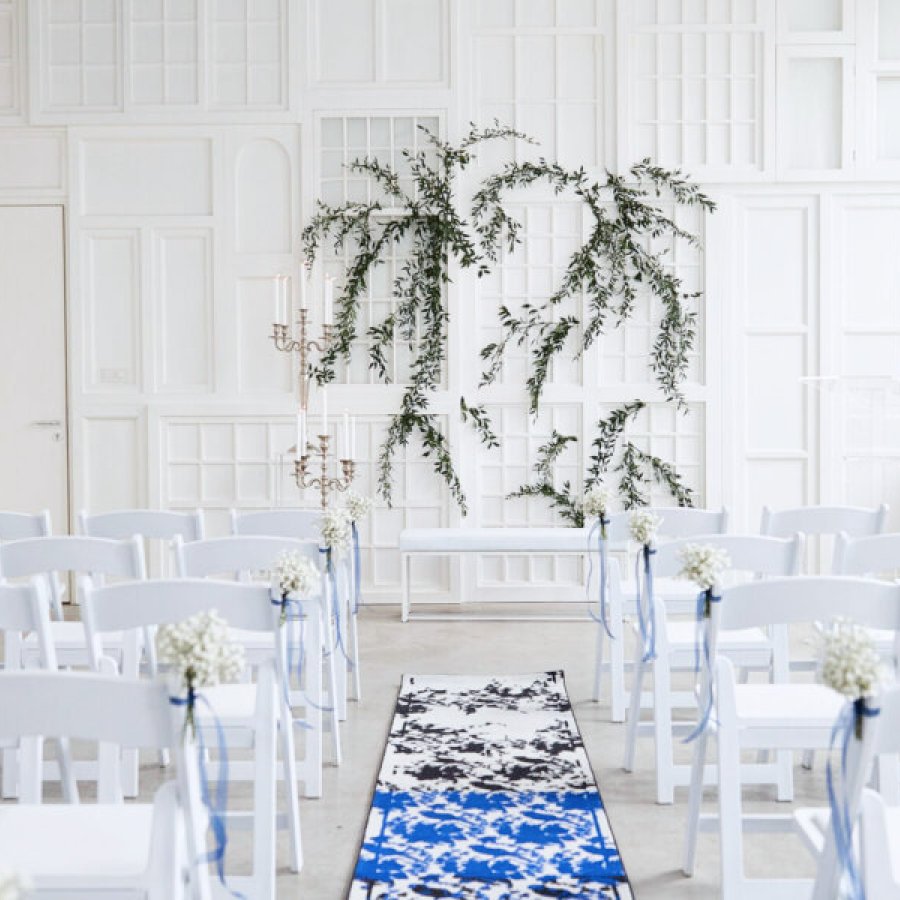
Wedding/trouwerij met blauwe loper in white space

It depends. That is the honest answer, and it is worth unpacking. The best day for your wedding is not a universal truth printed in a planner somewhere. It is the intersection of your priorities, your guest list, your budget, and the kind of experience you want to create. Some couples want a Saturday in June with 120 people and a long dinner. Others want a Tuesday in October with 30 close friends and no speeches. Both are correct.

What follows is a practical guide to help you think it through, from the logic of weekdays versus weekends to seasonal considerations, venue availability, and the one question most couples forget to ask until it is too late.

saturday is popular for a reason

Saturday is the most requested wedding day in the Netherlands and across most of Europe. The logic is simple: guests do not have to take a day off work, they can travel on Friday evening, and they recover on Sunday. For couples with a large guest list, particularly one that includes people travelling from abroad, Saturday removes a practical barrier.

The downside is equally simple. Saturday is the most expensive day to get married. Venues, caterers, photographers, florists and musicians all charge a premium for Saturday, because demand is highest. In Amsterdam, a Saturday booking at a city centre venue can cost anywhere from 20 to 40 percent more than the same space on a weekday.

friday and sunday: the middle ground

Friday weddings have grown significantly in popularity over the past decade. Guests can take a single day off work, the atmosphere tends to be slightly more relaxed than a Saturday, and pricing is usually lower. A Friday evening ceremony followed by a dinner and dancing works well logistically: no pressure to wrap up because the weekend is just beginning.

Sunday weddings work best when the guest list is local. A Sunday afternoon ceremony with a long lunch, ending by early evening, is a format that suits an intimate group well. The risk is that guests with a commute or an early Monday morning will feel time pressure as the evening progresses. For a small, close gathering, that pressure rarely materialises. For a large group with mixed circumstances, it can shorten the night.

weekday weddings: the underrated option

Wednesday and Thursday weddings are increasingly common among couples who prioritise budget flexibility and venue availability over convenience for guests. The savings can be substantial. A weekday booking often frees up budget for better catering, a longer venue hire window, or simply a less stressful planning process.

The trade-off is real: some guests will not be able to attend. If your guest list includes people with inflexible work schedules, young children, or long travel times, a weekday may mean a smaller celebration than you originally imagined. For some couples, that is exactly what they wanted.

what month should you get married?

In the Netherlands, June, July and September are the most requested months for weddings. The reasons are practical: daylight is long, the weather is reasonable, and outdoor elements become possible. August can be beautiful but it is also peak holiday season, which means guests may already have travel plans and accommodation in Amsterdam fills up fast.

May and early October are increasingly popular alternatives. Mild temperatures, fewer competing events, and better venue availability at lower rates. A wedding in October in Amsterdam, with the canal light changing colour in the late afternoon, is not a compromise. It is a choice.

Winter weddings, from November through February, are the least common and often the most affordable. They require a venue that carries itself indoors without depending on outdoor space or natural light. Not every venue can do that. Some can do it exceptionally well.

the venue shapes the day

Before you settle on a date, settle on a venue. Or at least narrow it down. The venue’s availability will define your options more than any other single factor. A venue that is only available on Sundays in your preferred month changes the calculation entirely. A venue that is closed for private hire during the summer changes it again.

At @droog, the building itself is worth understanding before you plan around it. The space dates from 1641, originally built for the Drapers’ Guild. It is in the centre of Amsterdam, on the Staalstraat, a few minutes from the Rembrandtplein. It is not a traditional wedding venue. It is a design space that happens to be available for weddings, which means the experience it creates is quite different from a hotel ballroom or a converted warehouse.

the white space is the room most couples use for ceremonies and seated dinners. It sits upstairs, with large white-framed windows looking out over the old Amsterdam canal houses and the garden below. It fits up to 70 in a theatre setting, or 50 seated with tables, depending on configuration. A PhD promotion has taken place there. So has a book launch and a small concert. A wedding fits easily.

For the reception or drinks, the grand space on the ground floor opens up to 160 people standing, with a sliding door that connects directly to the garden. For an intimate dinner after the ceremony, the library seats up to 10 around a long table, surrounded by flowered wallpaper based on a painting in the Rijksmuseum and yellow chairs under a flat chandelier.

If you want something more theatrical, the red space is the venue’s theatre room: completely red, pink, orange and purple, with a u-shaped tribune that seats up to 80. Nobody has ever described it as neutral.

And at the top of the yellow hallway staircase, the cafe restaurant looks out over the Groenburgwal canal. Blue butterfly lamp, a fireplace, white curved tiles, and a kitchen that treats lunch as something worth sitting down for. It fits up to 70 seated and 180 standing. It is also the room most people remember longest.

Rooms can be combined. A ceremony in the white space, drinks in the grand space and garden, dinner in the cafe restaurant. Or something else entirely. The building has enough rooms and enough flexibility to build a day with a real sequence to it, not just a single room you enter and leave.

request quote

how far in advance should you book?

For a Saturday in June or September, 12 to 18 months is a reasonable planning window in Amsterdam. Popular venues in the city centre are booked that far in advance, sometimes further. If you have a specific date in mind, start with the venue enquiry before anything else. Before the florist, before the photographer, before the caterer.

For a weekday, or a month outside peak season, 6 to 9 months is usually sufficient. That said, earlier is always better. Availability does not improve as your preferred date approaches.

the question most couples forget

What do you want guests to feel when they leave?

Not what they should see or eat or hear. What they should feel. That question shapes every other decision, including the day of the week and the time of year. A high-energy Saturday evening celebration creates one kind of memory. A long Sunday lunch in a space full of design and natural light creates another. Neither is better. They are just different experiences, and the day you choose is part of how you build that experience.

At @droog, the working assumption is that a wedding should do something. Not just happen. The design of the space, the history of the building, the quality of the food, and the way rooms connect to each other are all part of that. Guests tend to notice. They also tend to ask about the chair, the lamp, or the wallpaper, which is not an accident.

practical checklist: choosing your date

  • Check venue availability first, before any other supplier
  • Consider your guest list: how many people need to travel, and from where?
  • Set a realistic budget before you choose a day of the week, Saturday costs more
  • Think about the time of year in terms of light and temperature, not just tradition
  • Check for public holidays, local events, and school holidays on or near your preferred date
  • Build in time: a minimum of 6 months for weekdays, 12 to 18 months for peak Saturdays
  • Ask the venue what works best in their space, some venues genuinely shine in specific seasons or configurations

frequently asked questions

is saturday always the most expensive day for a wedding?

In almost every case, yes. Saturday commands the highest rates from venues, caterers, and suppliers because demand is highest. Friday and Sunday usually sit in the middle range. Weekdays offer the most flexibility on price.

how many guests is considered a small wedding?
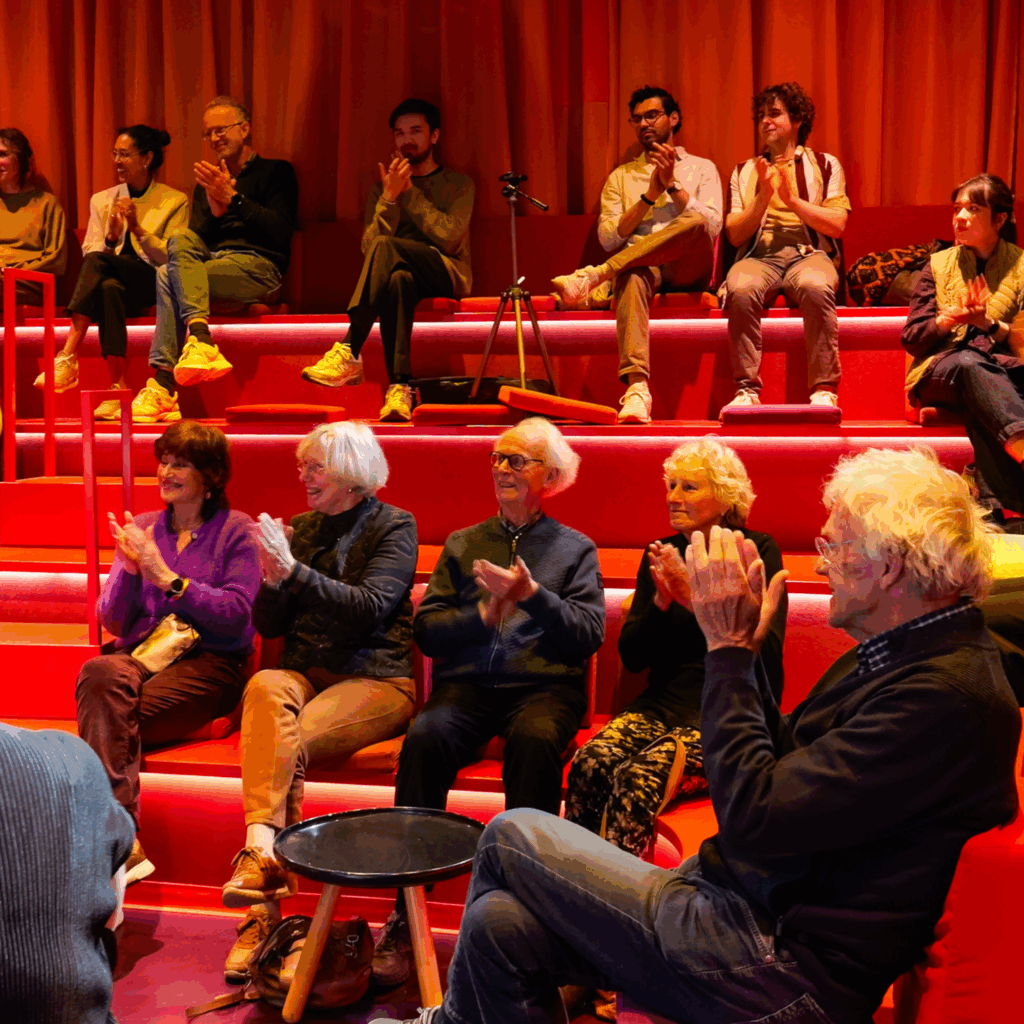
event in de red space met bezoekers

Definitions vary, but anything under 40 guests is generally considered a small or intimate wedding. Under 20 is micro. The room you choose should match the number: a space designed for 120 feels cold with 20 people in it, and a room that fits 10 creates a different kind of occasion entirely.

can you get married on a monday or tuesday in amsterdam?

Yes. The municipality of Amsterdam registers civil marriages on weekdays. If you want a civil ceremony followed by a private celebration, a Monday or Tuesday is legally straightforward. Some couples hold the legal ceremony midweek and the celebration on the nearest weekend.

what is the least busy wedding month in the netherlands?

January and February see the fewest weddings. November and March are also quieter than average. Budget and availability are generally more favourable in these months, and venues that work well indoors can offer an experience that summer weddings cannot.

is it possible to hold a wedding ceremony and reception in the same venue in amsterdam?

Yes, and it is often the more seamless approach. When ceremony, drinks, and dinner all take place in the same building, guests are not managing transport between locations. The flow of the day is easier to control, and the experience feels more coherent. At @droog, the building has enough distinct rooms to host each part of the day in a different space without anyone needing to leave.

does @droog host weddings?

Yes. The white space is well suited for ceremonies and seated dinners. The grand space and garden work for receptions and drinks. The library is available for a private dinner. The cafe restaurant seats up to 70. Rooms can be combined depending on the scale and format of the day. @droog is a design space first, which means the rooms carry character without requiring decoration to fill them.

thinking about @droog for your wedding?

Tell us what you have in mind. The building has been here since 1641. It has seen a lot. A wedding fits well.
request quote

10 tips for an event that visitors would have fomo about

10 tips for an event that visitors would have fomo about

Most events are forgotten before the taxi home. People check their phones during the keynote, grab a dry sandwich, and leave without talking to anyone they didn’t already know. That’s not a venue problem. It’s a design problem.

FOMO, the kind that makes people scroll through someone else’s event photos wishing they’d been there, doesn’t happen by accident. It’s built. Deliberately. With decisions that most event planners skip because they feel too small, too weird, or too hard to justify in a budget meeting.

These ten tips are practical. They’re based on what actually works, what guests remember, and what makes them tell someone else about it the next morning.


1. give the event a reason to exist

Not a theme. A reason. There’s a difference.

A theme is “innovation” on a banner above the registration desk. A reason is: we’re bringing 60 people together because we’re genuinely stuck on a question and we think the answer is in this room. One of these creates FOMO. The other creates lanyard waste.

Before anything else, write one sentence that explains why this event needs to happen. Not what it is. Why it exists. If you can’t write that sentence, attendees will feel it. They won’t know why, but they’ll feel it.

At @droog, every event we host starts with a conversation about intent. What shift do you want people to experience by the time they leave? That question shapes everything: the room, the format, the food, the order of the day.


2. choose a space that does some of the work for you

event in de red space met bezoekers

A neutral conference room is neutral on purpose. It’s designed not to distract. But distraction, in the right direction, is exactly what makes an event memorable.

When someone walks into the red space, a fully red-pink-orange-purple theatre with a round u-shaped tribune and cushions built into the architecture, they stop talking. For a second. That pause is valuable. It says: this is different. Something here is worth paying attention to.

Spaces with history, texture, and character reduce the amount of decoration you need and increase the amount of conversation you get. People talk about the room. That’s not superficial. It’s social glue.

The building matters. Pick one that earns its place in the story.


3. design for the first five minutes

Research on event memory is consistent: people remember beginnings and endings far more than the middle. Most event budgets are spent on the middle.

What happens in the first five minutes when someone walks in? Is there something to look at, to touch, to taste, to ask about? Or is there a registration queue and a table of branded pens?

A few things that work: a person who welcomes guests by name, a single object in the centre of the room that sparks a question, a smell from the kitchen that tells people something real is being cooked. Small inputs, strong outputs.

The entrance sets the tone. Set it on purpose.


4. feed people like you mean it

Food is not logistics. It is a statement about how much you value the people in the room.

Shrink-wrapped sandwiches say one thing. A lunch built around seasonal, locally sourced ingredients, served at a table where people are expected to sit down and stay a while, says something else entirely. That difference is felt, even when it’s not named.

At @droog, the kitchen operates with a simple idea: lunch is worth sitting down for. That hasn’t changed since 2004. The cafĂ© restaurant, with its curved white tiled bar, blue butterfly lamp, and view over the Groenburgwal canal, seats 70 and holds up to 180 standing. It also makes people linger. Lingering is where the real conversations happen.

If your catering could be from any hotel in any city, it’s doing nothing for your event. Make it specific.


5. build in a moment nobody expected

One. You only need one.

It can be a room reveal, an unannounced guest, a question that lands differently than anything else in the program, a shift in format that catches people off guard. The point is that the event did something the attendee didn’t see coming.

That moment is what gets described the next day. “And then they took us into this completely red theatre and…” That sentence, told at someone’s kitchen table or in a Slack channel, is worth more than any post-event email campaign.

Design one unexpected moment. Put it where energy tends to dip, usually mid-afternoon. Let it breathe.


6. make the format match the content

Theatre setting for a talk about breaking hierarchy. Round tables for a conversation about collaboration. Standing for energy. Sitting close for intimacy. These aren’t decorating decisions; they’re communication decisions.

The wrong format undermines the best content. A panel discussion in a room where the panellists are six metres away from the first row of seats creates distance, literally, and psychologically. A 90-minute lecture in a room designed for 30 that’s holding 80 creates frustration before anyone opens their mouth.

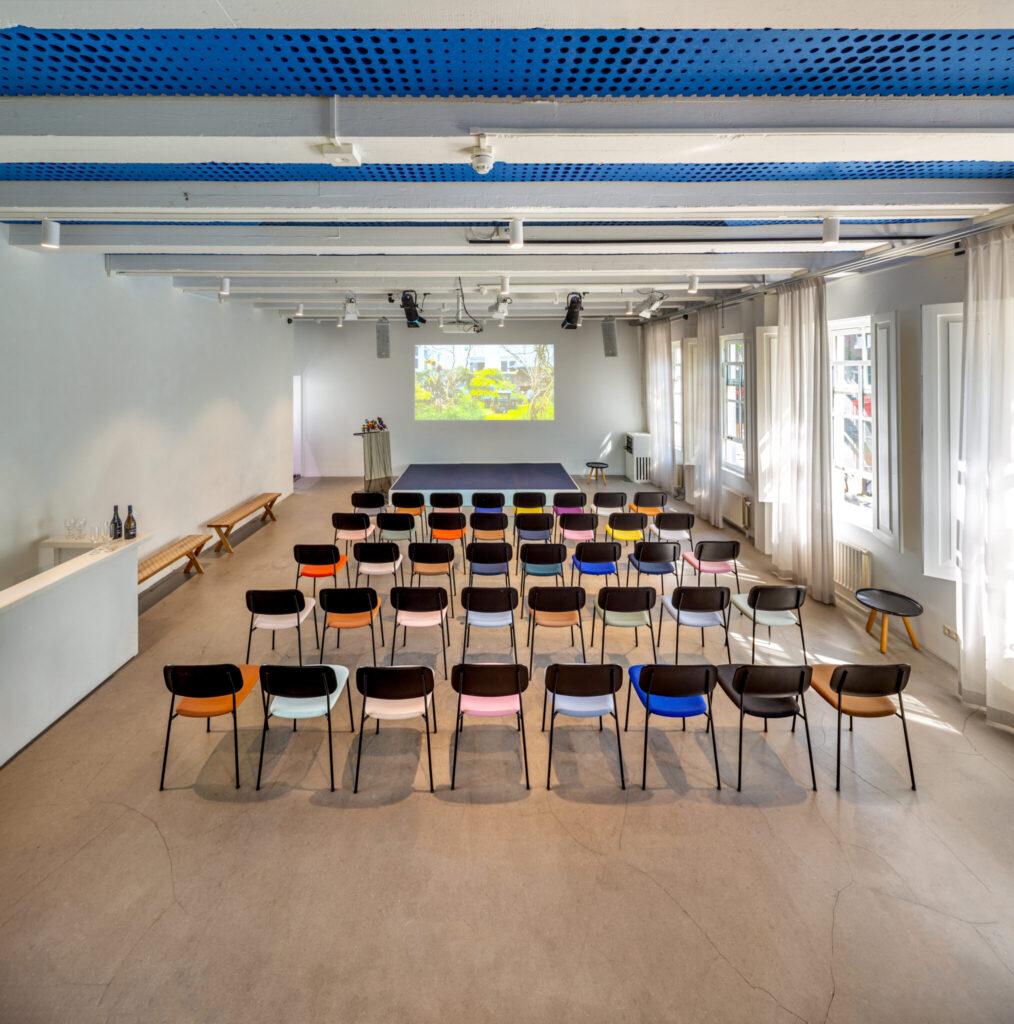
The grand space at @droog seats 90 or holds 160 standing, has a stage and a full sound system, and opens directly onto the garden. The white space upstairs fits 70 in theatre setting or 50 at tables, with large windows looking out onto old Amsterdam rooftops. The library seats exactly 10 around a long table under a flat chandelier, flowered wallpaper from a Rijksmuseum painting on the wall. Three completely different formats for three completely different conversations.

Choose the room the way you’d choose the words. Deliberately.


7. give people a reason to talk to strangers

Networking doesn’t happen because you put people in the same room and call it a networking break. It happens when there’s a shared context, a conversation starter, or a structured prompt that removes the awkwardness of the opening line.

Practical things that work: a provocative question on the table, a collaborative activity with a real output, a room layout that physically prevents people from staying in their own cluster. Even something as simple as assigned seating at lunch, mixing teams or companies, produces more cross-pollination than an hour of free-form mingling.

grand space in congres setting

The goal is not more conversations. It’s one conversation that someone didn’t expect to have. That’s the one they remember.


8. use multiple spaces across the day

A single room for eight hours flattens the experience. Movement through different spaces, with different characters, different scales, different atmospheres, creates a sense of journey. The day feels longer in the good sense. More was experienced. More is remembered.

This is one of the structural advantages of a building like @droog. A plenary session in the grand space, a breakout in the library, lunch in the cafe, a show or workshop in the red space, drinks in the garden. Each space hands off to the next. The building does the pacing for you.

Even if you’re working with a simpler layout, think about transitions. A change of room is a change of register. Use it.


9. end with something people carry out

Not a tote bag. Something they carry in their head.

The best event endings leave people mid-sentence. They’re still thinking about something when they get on the train. A question that didn’t get answered. A perspective that shifted. A commitment made in a room full of people who witnessed it.

Practically: end with a provocation, not a summary. End with a question, not a conclusion. End ten minutes earlier than people expect, while the energy is still up. Don’t recap everything that happened. Trust the experience to speak for itself.

The closing moment sets what people take home. Design it with the same care as the opening.


10. document it in a way that creates envy

FOMO requires evidence. If nothing from the event is visible to the people who weren’t there, there is no FOMO. There is just an event that happened.

Documentation doesn’t mean a professional photographer wandering around with a zoom lens. It means capturing the specific, the telling detail: the red tribune full of people, the library table mid-debate, the garden at dusk with glasses still on the tables. The image that makes someone think “I should have been there.”

Make it easy for attendees to share. Give them something worth sharing. A sentence from the day that crystallises what happened. A photograph that shows the room at its best. A short video of the one moment that surprised everyone.

Organic sharing from people who were actually in the room is worth more than any campaign. It’s credible. It’s specific. And it makes next year’s event oversubscribed before the invitations go out.


putting it together: what a fomo-worthy event actually looks like

Here’s a concrete example. Sixty people. One question the organisation is genuinely trying to answer. Morning session in the grand space: talks, a panel, real disagreement on stage. Lunch in the cafe restaurant, seated, local food, mixed tables. Afternoon in the red space: a workshop format with the cushioned tribune reconfigured for groups. Late afternoon: the library for a smaller working session of ten, the rest in the garden. Closing in the white space: one final provocation, ten minutes of silence for people to write something down, then done.

No filler. No slide deck summary at the end. No branded giveaway. The day had a shape. Every room earned its place. People left mid-thought.

That’s the version that gets described at the next dinner party.

request quote


frequently asked questions

what makes an event worth talking about after?

Specificity. People don’t remember “a great conference.” They remember the unexpected moment, the conversation at lunch, the room that looked nothing like a conference room. Build at least one thing that couldn’t have happened anywhere else.

how many people do you need for a good event?

It scales in both directions. Ten people around a long table in the right room, with the right question on it, can be more impactful than 200 in a hotel ballroom. Intimacy and intention matter more than headcount. That said, for larger groups, 60 to 100 tends to be the range where serendipitous connections happen most naturally.

is it better to have one space or multiple spaces?

Multiple spaces, used with purpose. Each transition between rooms resets attention and changes the social dynamic. One room for eight hours creates a single note. Multiple spaces create a progression. The key is that each space should earn its place in the day’s structure, not just exist as an overflow option.

how far in advance should you plan an event?

For an event of 30 to 80 people with a clear program, six to eight weeks is workable if decisions are made quickly. For anything more complex, with multiple spaces, outside speakers, or a custom catering program, three to four months gives room to make it good rather than just functional. The earlier you know the intent and format, the better every other decision becomes.

what role does the venue play in making an event memorable?

A significant one. The venue sets expectations the moment people walk in. A space with character, history, and design reduces the work the program has to do and increases the emotional baseline people arrive with. It also gives attendees something to describe, which is the starting point of every word-of-mouth conversation afterward.

how do you create FOMO without overpromising?

By delivering something specific rather than claiming something general. “An unforgettable experience” is a promise anyone can make. “60 people, one question, five rooms, and a kitchen that takes lunch seriously” is a description. Descriptions create anticipation. Anticipation, when met, creates the kind of satisfaction people share.


An event worth having FOMO about is not more expensive to produce. It’s more intentional. It starts with a reason, picks a space that contributes, designs the moments people remember, and ends before the energy does.

If you’re thinking about what that could look like for your next gathering, tell us what you have in mind.

request quote