
Bone Chaise Longue by Joris Laarman
Joris Laarman
Bone Chaise Longue, 2006
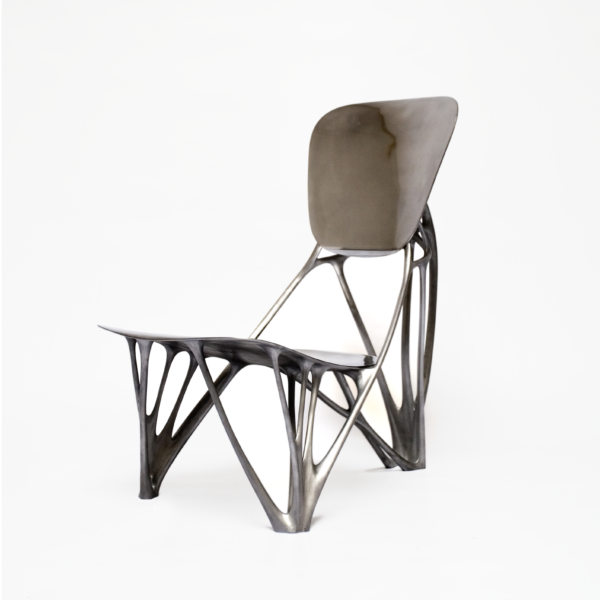
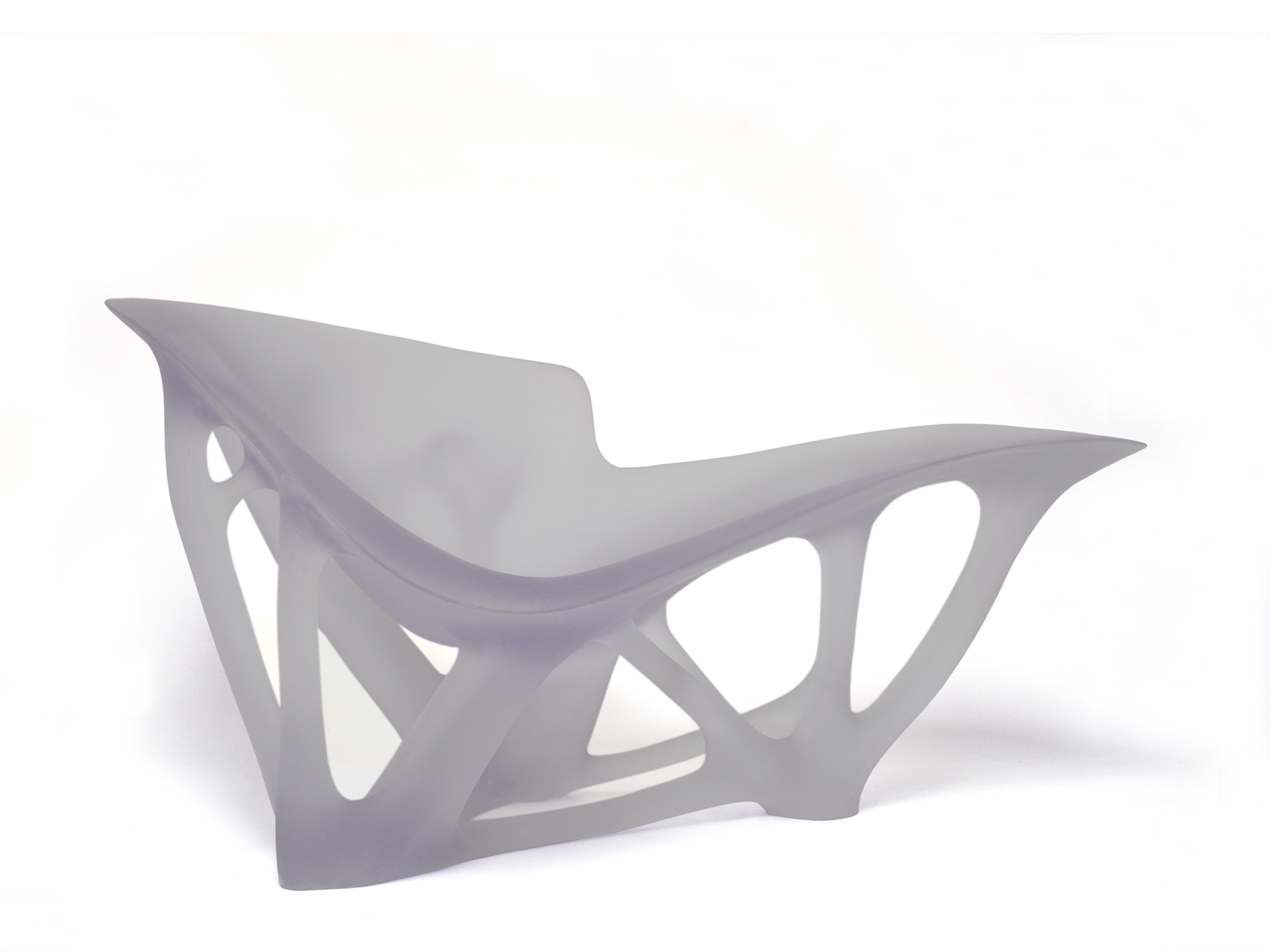
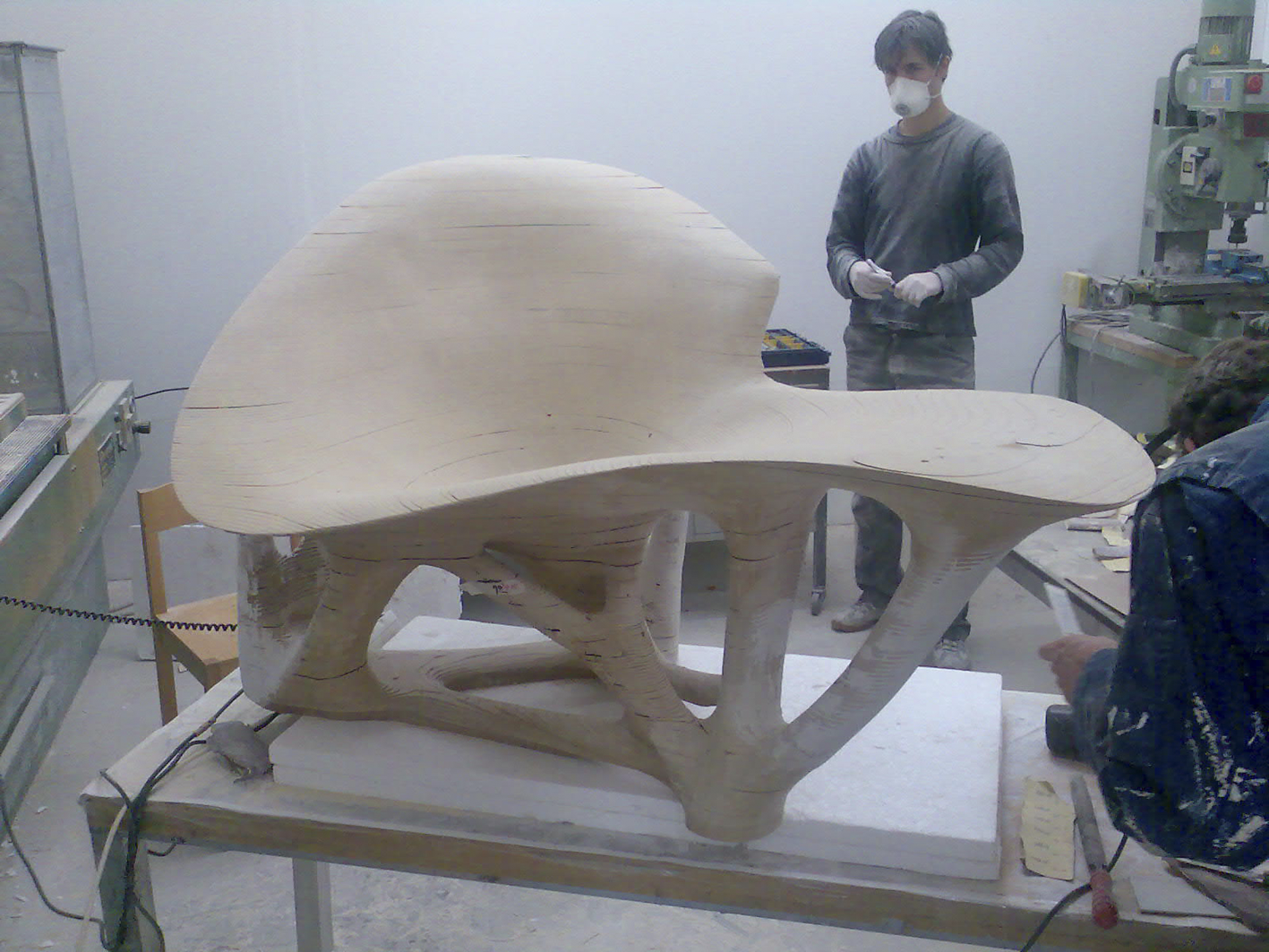
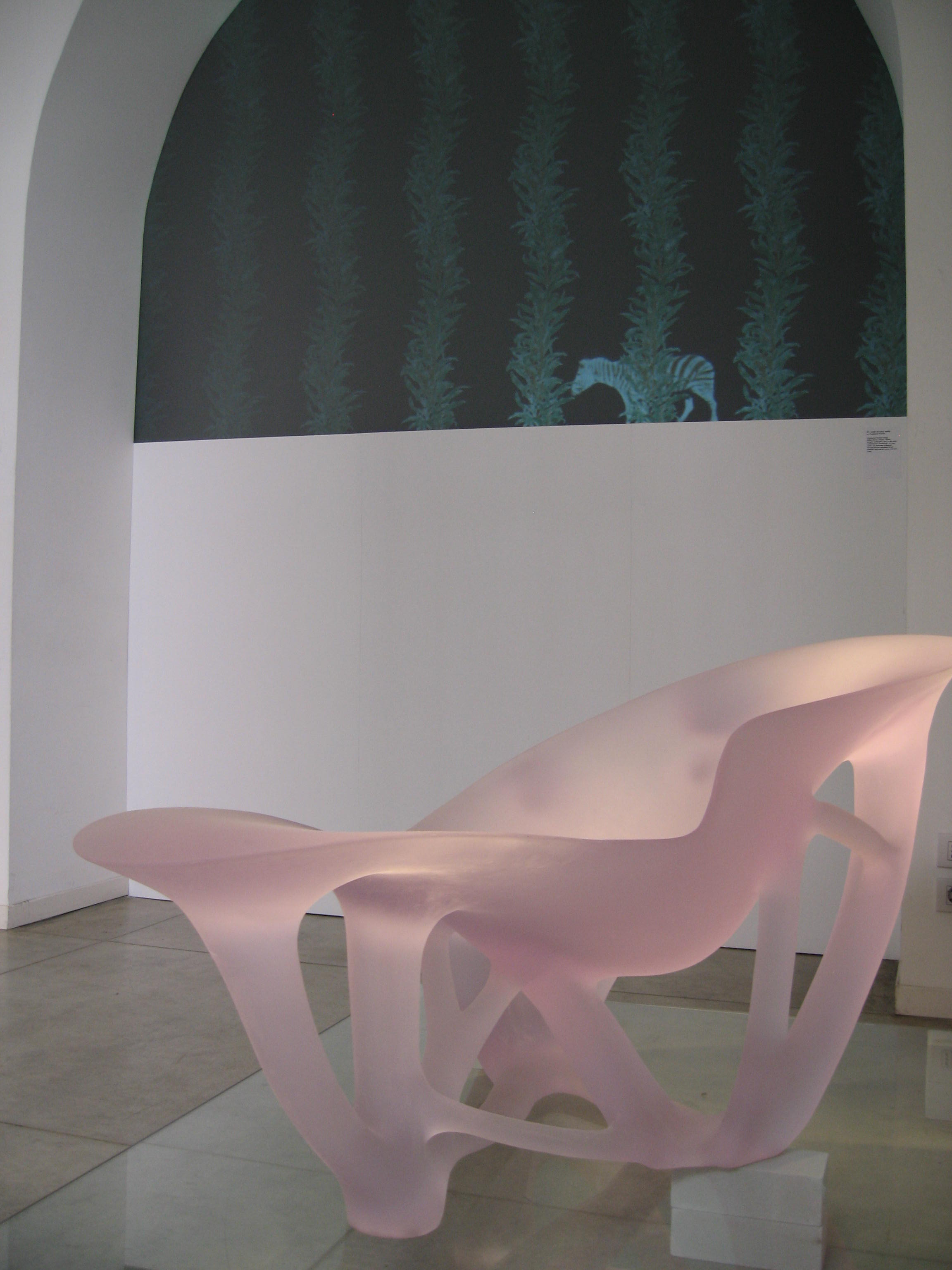
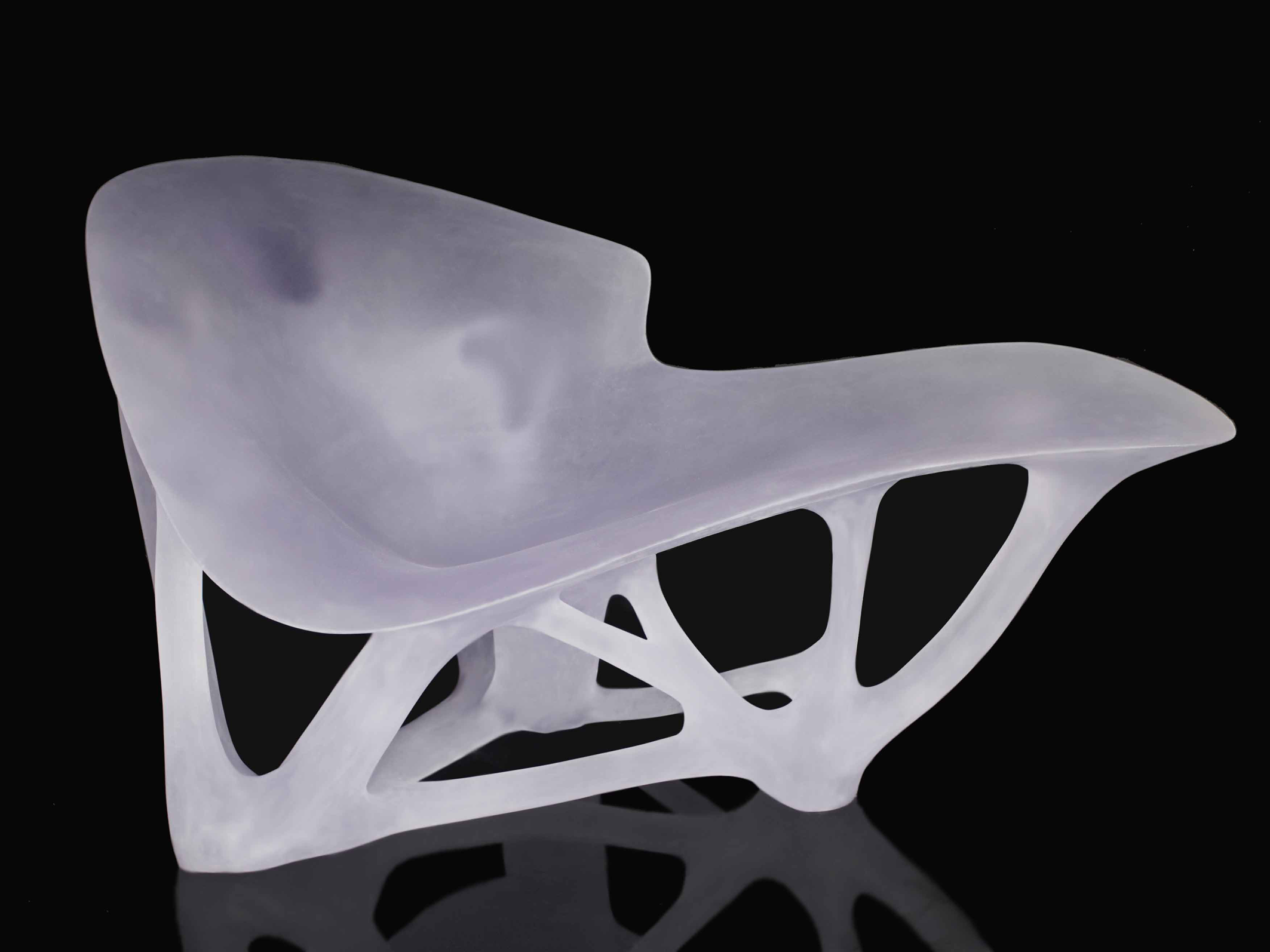
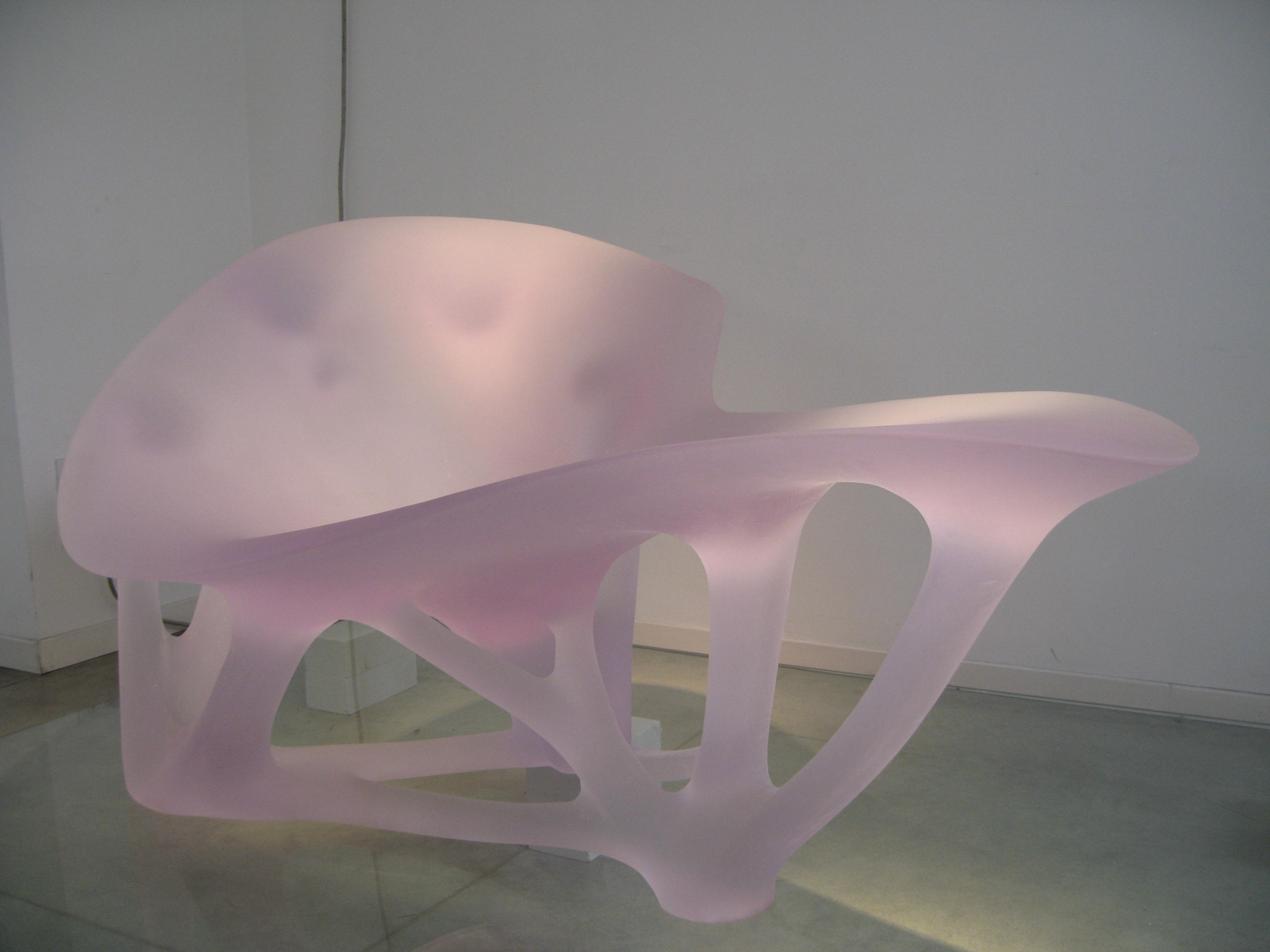
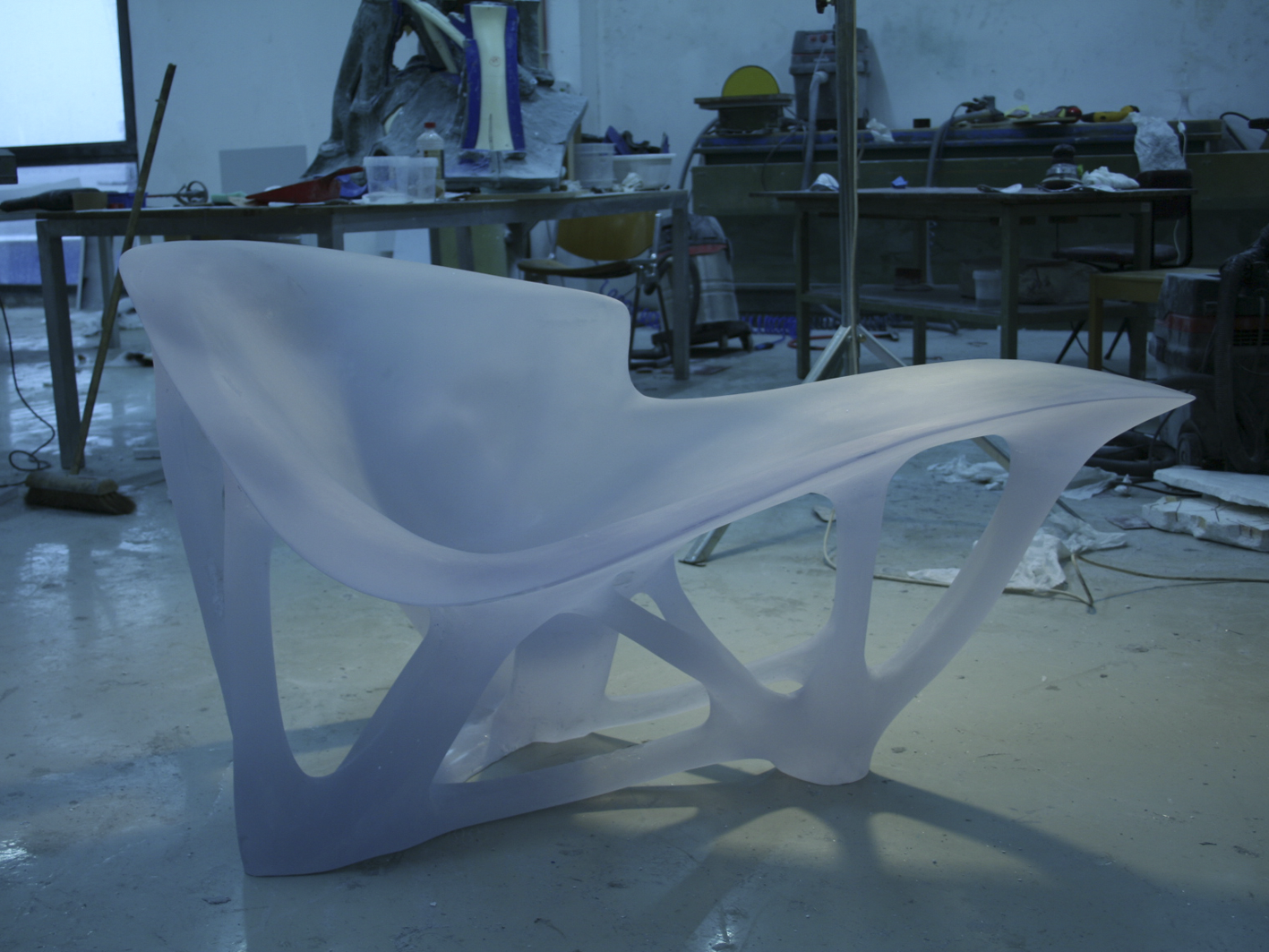
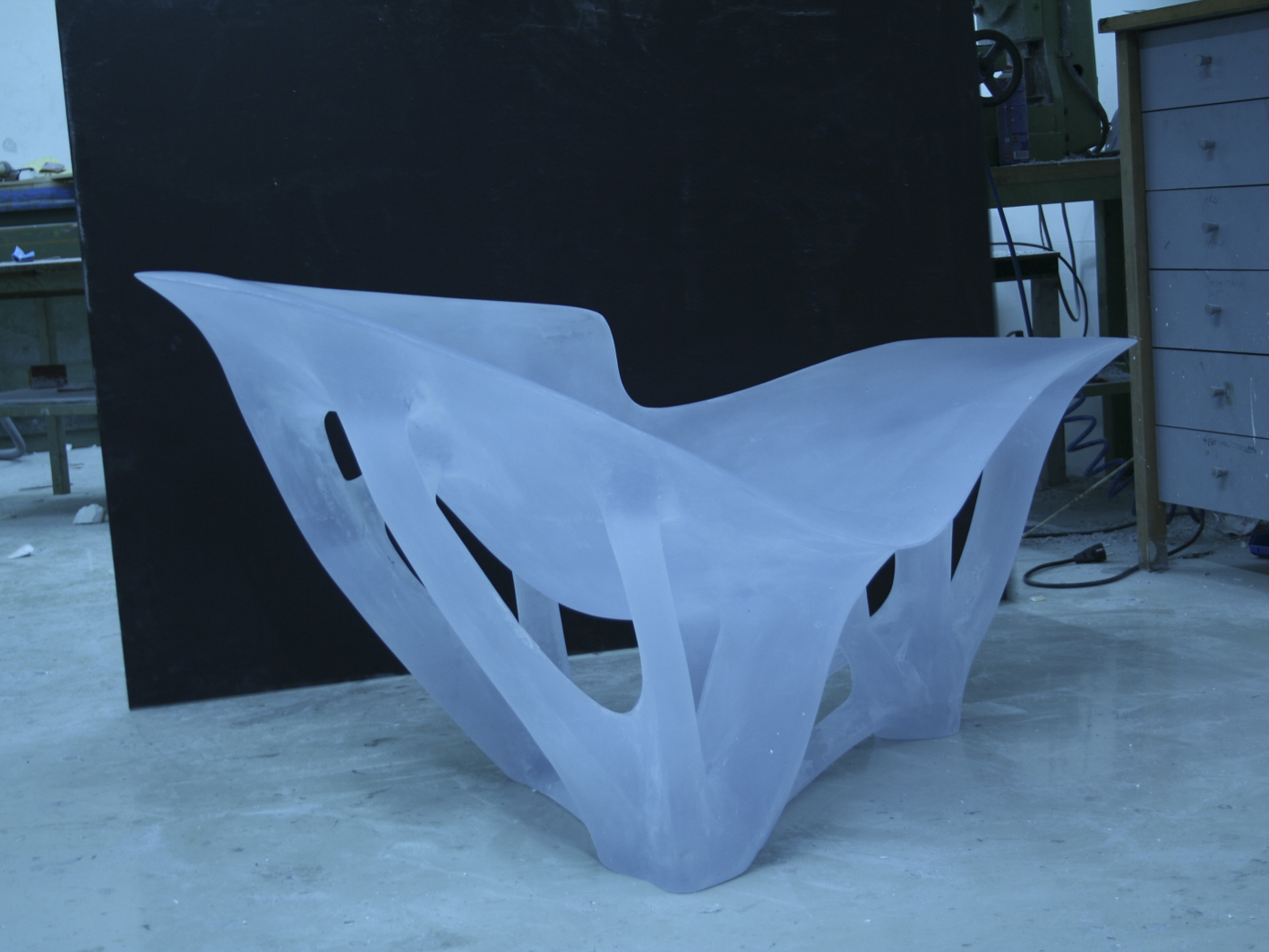
Joris Laarman’s aluminium chair and resin chaise longue represent a series of works which are designed according to the way bones develop, growing where strength is needed and shrinking where it is not.
Laarman developed this design process with the help of software used in the car industry to make components lighter. This principle allows the designer to revolutionise the design process and optimise material allocation and weight.
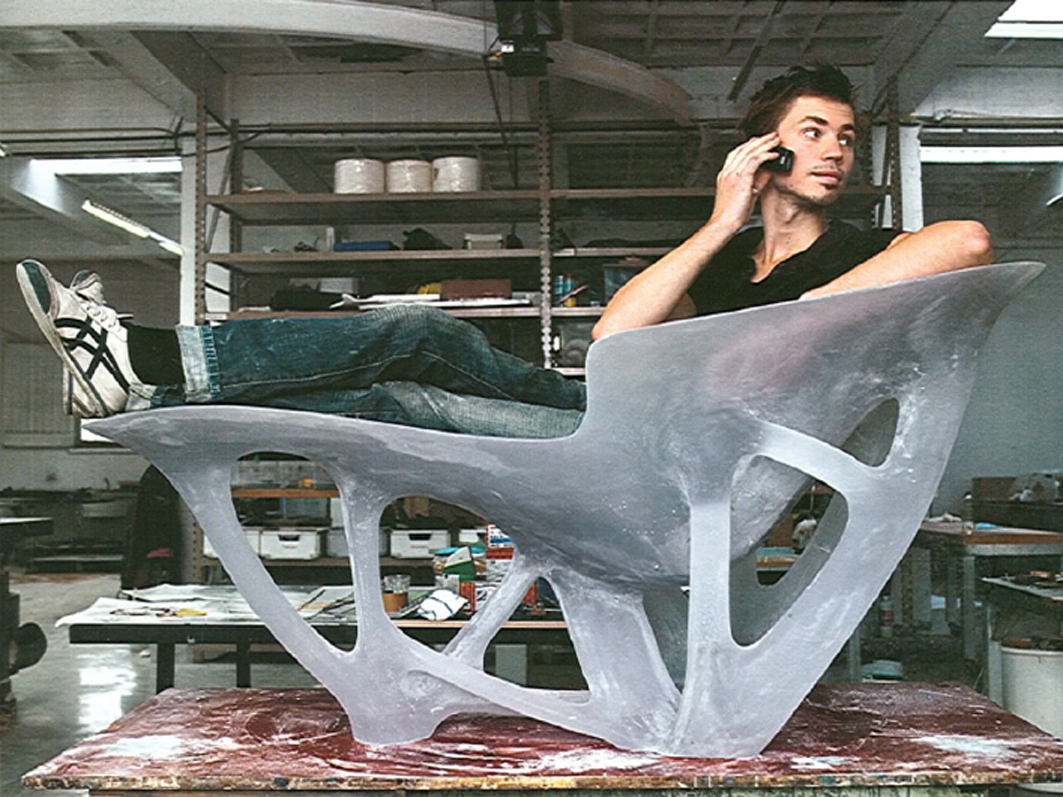
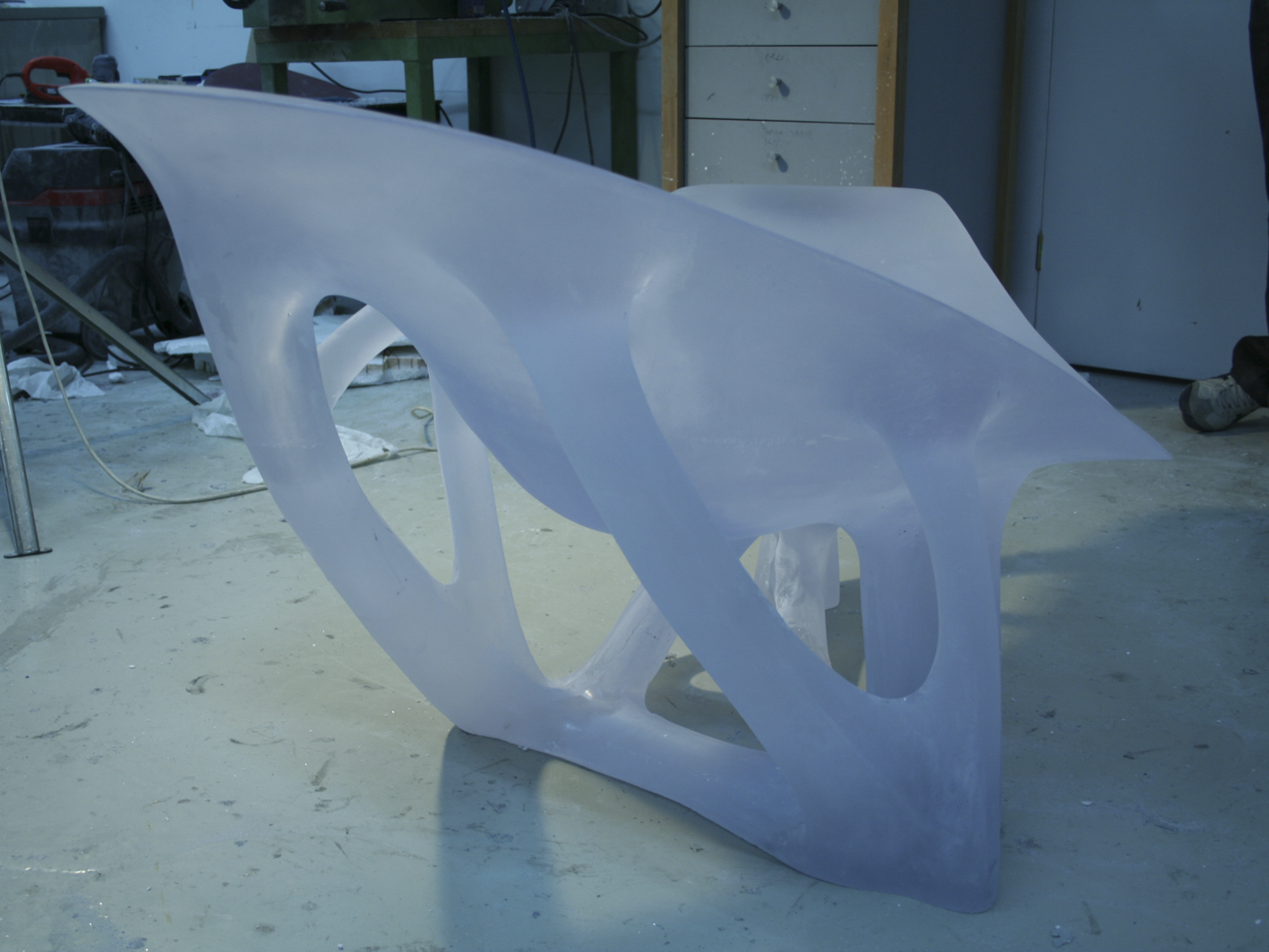
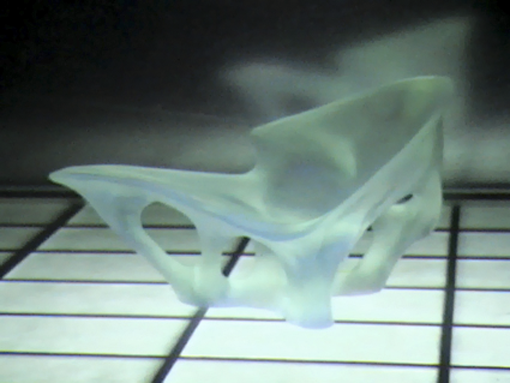
The thickness and overall structure of the resin chaise longue are again a consequence of the strength of the material. This principle shows that an identical bone-structure system can create different results.
The design was created using software originally developed for the automotive and aerospace industries. Inspired by the way bones grow in nature, the program removes unnecessary material while keeping the structure strong, resulting in the chaise’s distinctive skeletal form. The flowing lines feel both futuristic and natural, giving the piece the appearance of something that has evolved rather than simply been designed.
Although highly technological in its conception, the Bone Chaise Longue also reflects a strong sense of craftsmanship. Its sculptural silhouette, smooth surfaces, and intricate structure transform a functional object into a work of art. Balancing innovation with elegance, the piece became an important early example of generative and biomimetic design long before these ideas became widespread in architecture and furniture.
Today, the Bone series is considered a landmark in contemporary design history and has been exhibited in major museums and collections around the world. The Bone Chaise Longue remains one of Joris Laarman’s most iconic works — a visionary piece that explores the relationship between nature, technology, and the future of design.