
Layer Plates by Studio Droog

Studio Droog
Layer Plates, 2013
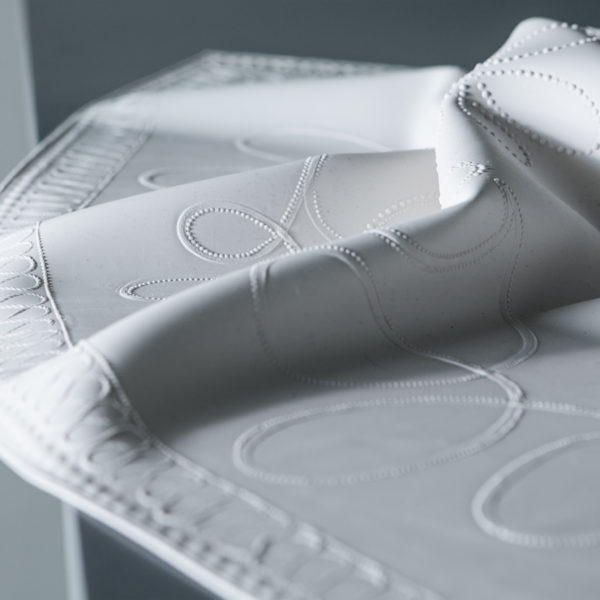
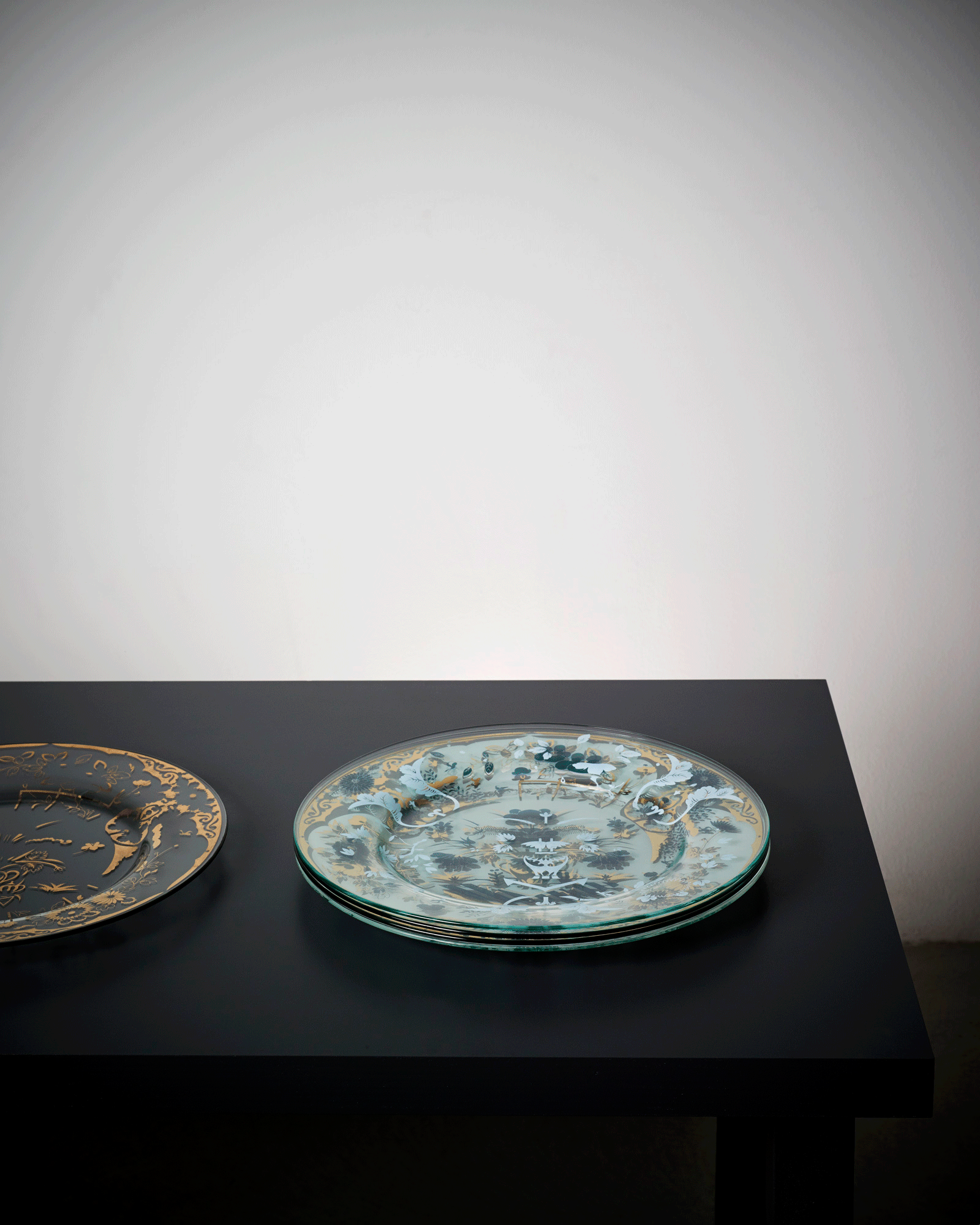
Layer Plates is a playful tableware series designed by Studio Droog in 2013 that turns history into an interactive experience. The set consists of four glass plates, each capturing a fragment of a traditional decorative motif. Used individually, the plates reveal subtle, abstract details; stacked together, they merge into a complete image, reconstructing the original design. The result is a table setting that invites experimentation, layering, and personal interpretation.
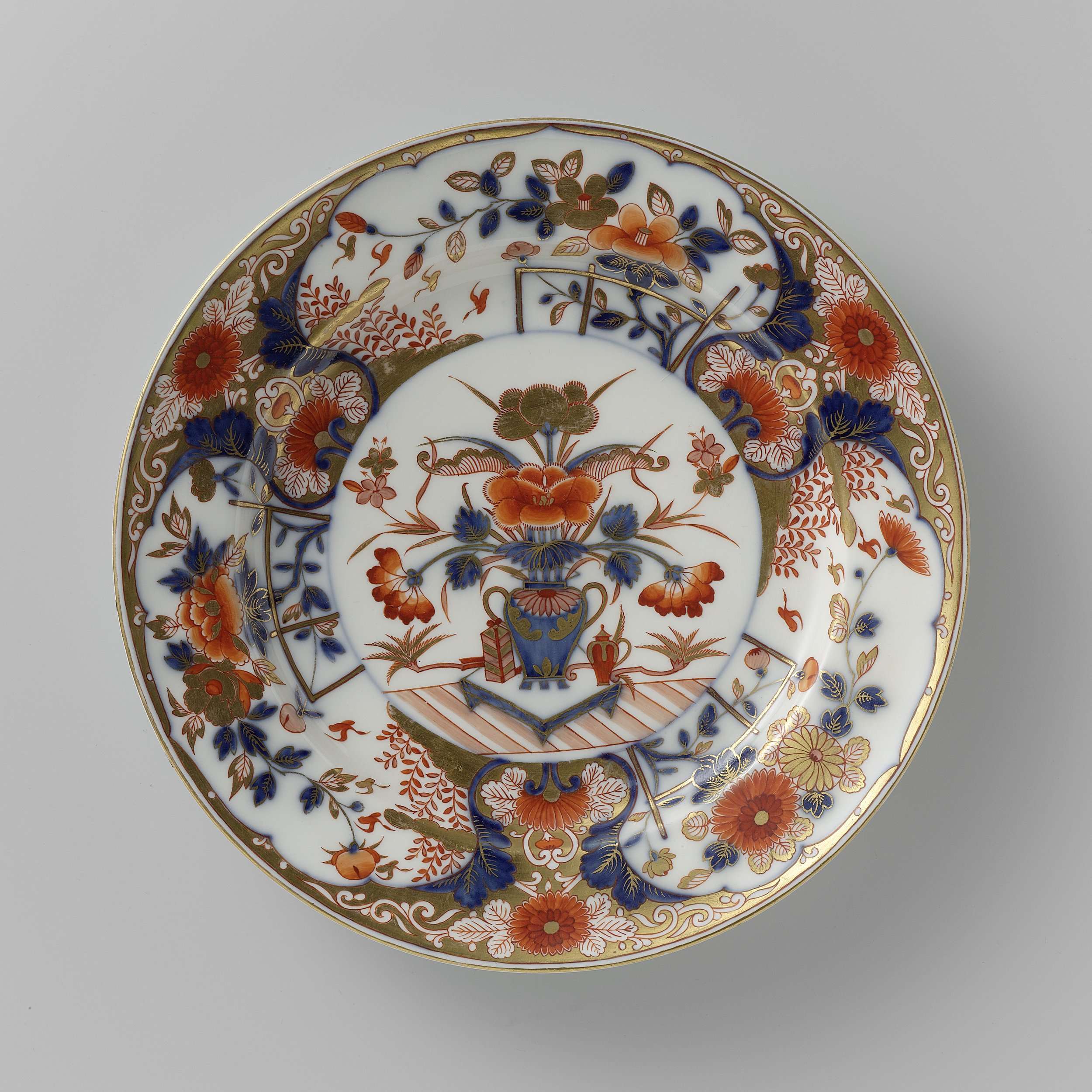
The design was based on an Imari-style porcelain plate made by the Porceleinfabriek aan den Amstel in Ouder-Amstel around 1784–1809. Its decoration combines vivid colours with a central vase of flowers set on a small table, surrounded by three floral panels around the edge. Made from hard-paste porcelain, the original is part of the Rijksmuseum collection under inventory number BK-1969-49.
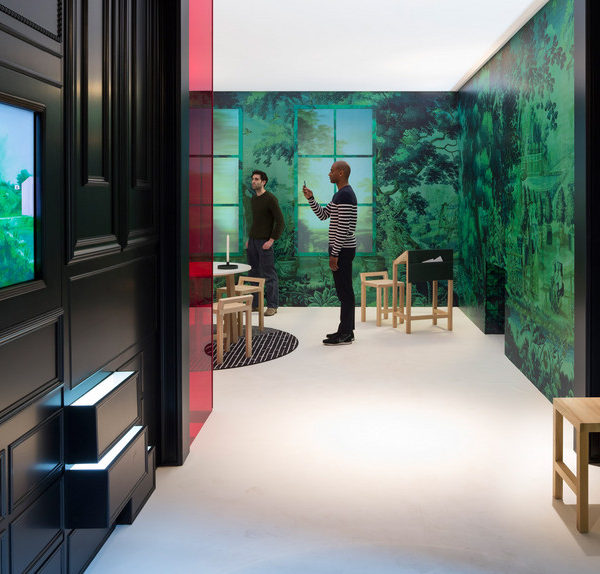
Developed as part of Droog’s Rijksmuseum: Rijksstudio M2 initiative, Layer Plates draws inspiration from the rich archive of historical objects in the Rijksmuseum. By translating ornamental details into contemporary glass, the project connects past and present transforming heritage into something light, transparent, and open to imagination.
Part of the Rijksmuseum and Studio Droog Masterpieces project.
Launched by the Rijksmuseum in 2012, Rijksstudio opened up thousands of high-resolution images from the museum’s collection for the public to explore, download and reinterpret. The platform encouraged a more active relationship with cultural heritage, treating the collection as material for new ideas rather than as something fixed. This approach led to the Masterpieces project, developed with Studio Droog and deJongeKalff. Presented in 2013, the project translated details, forms and references from historical works into a contemporary design context.