
Rijksmuseum Project by Studio Droog
Back in 2012, Amsterdam’s Rijksmuseum launched Rijksstudio, an open digital platform giving the public access to high-resolution images of artworks and historical objects from its collection. Users could download the images, adapt them and create their own interpretations, turning the museum archive into a source of material for new ideas rather than something to simply look at.

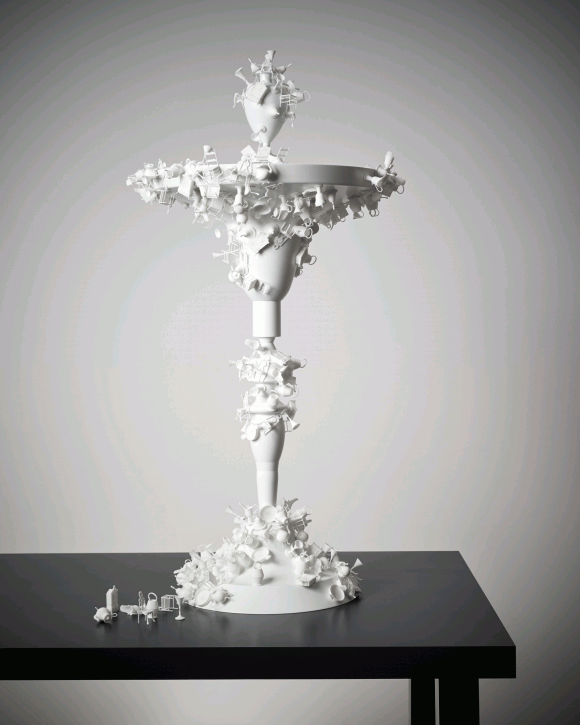
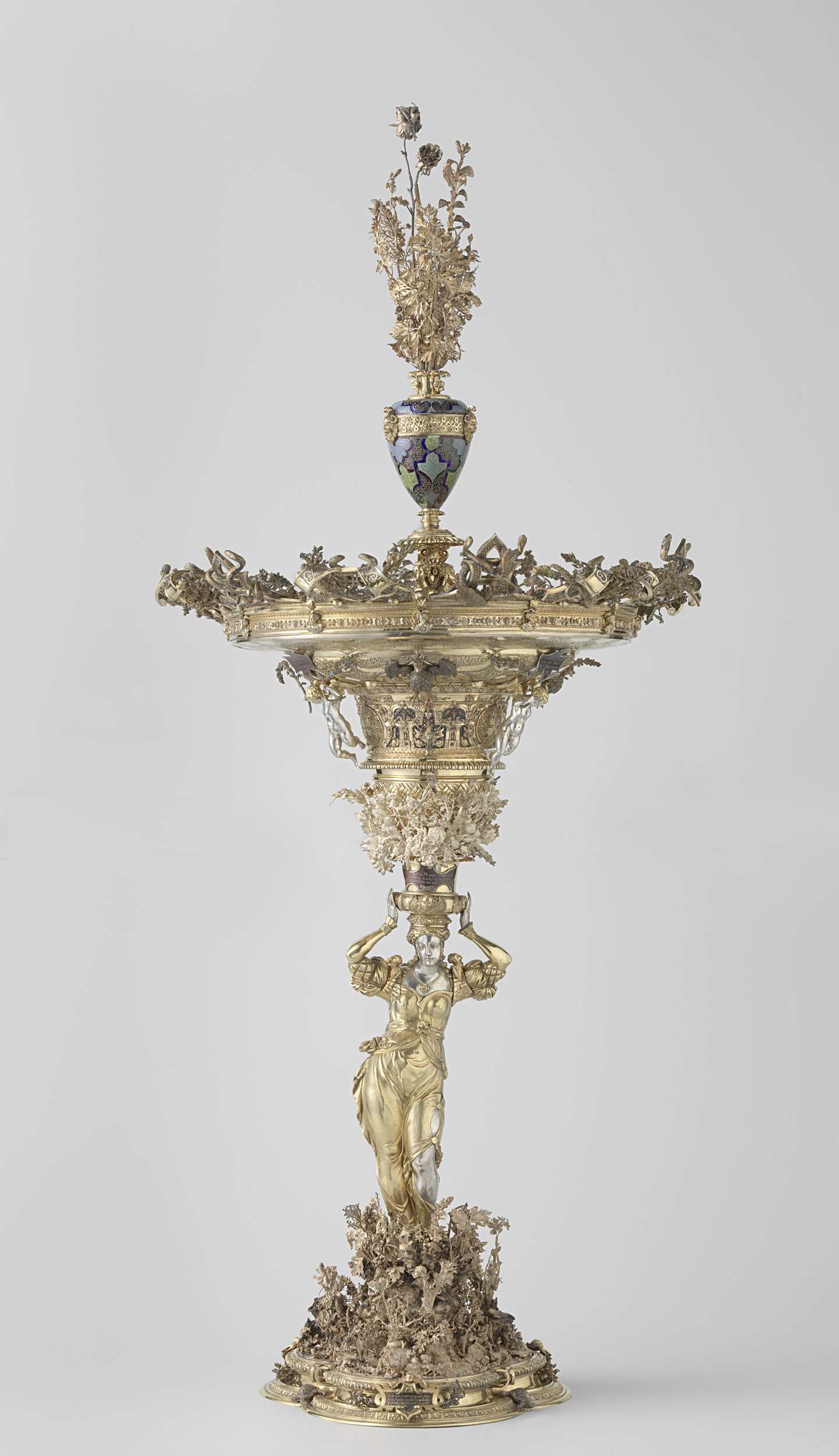
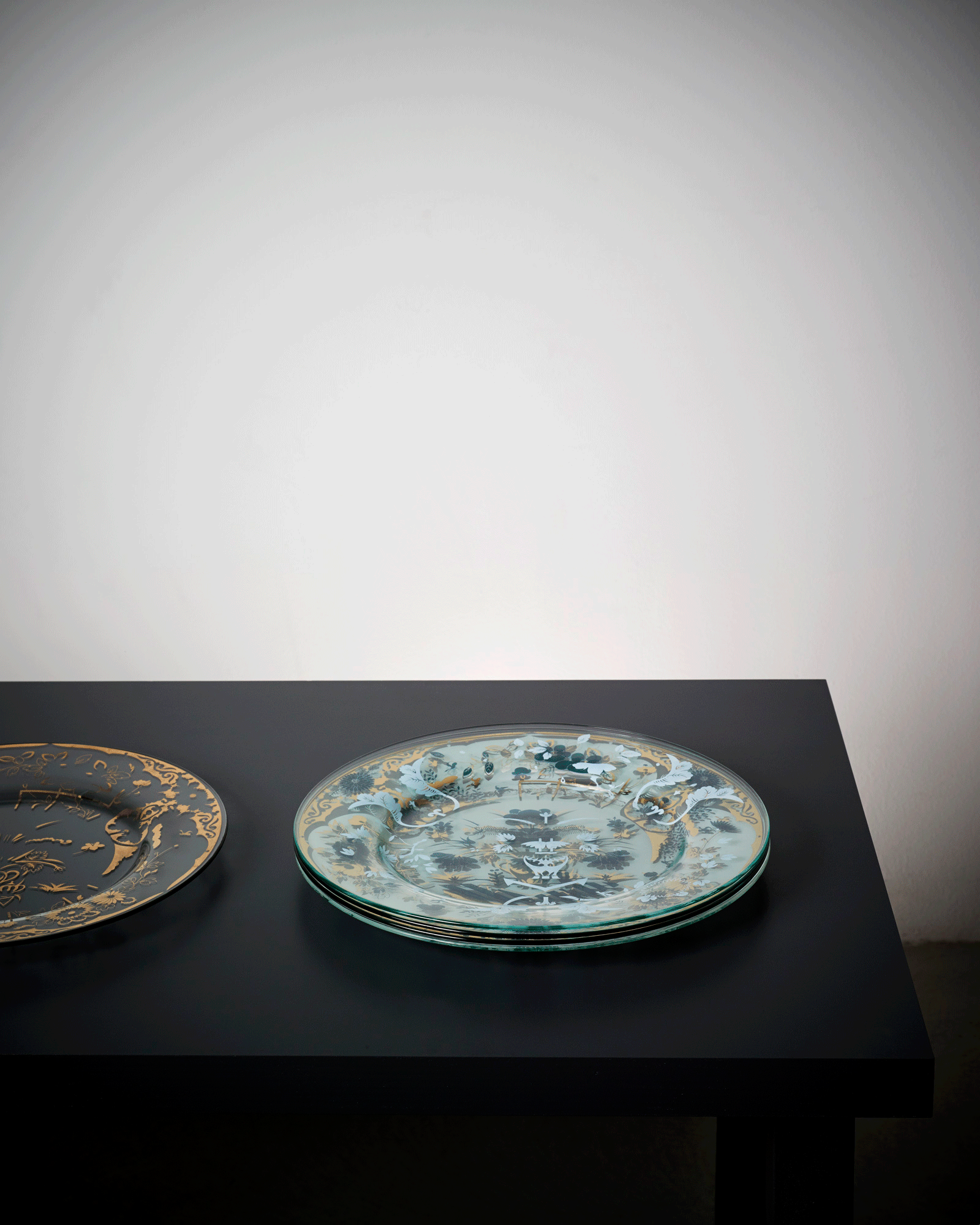
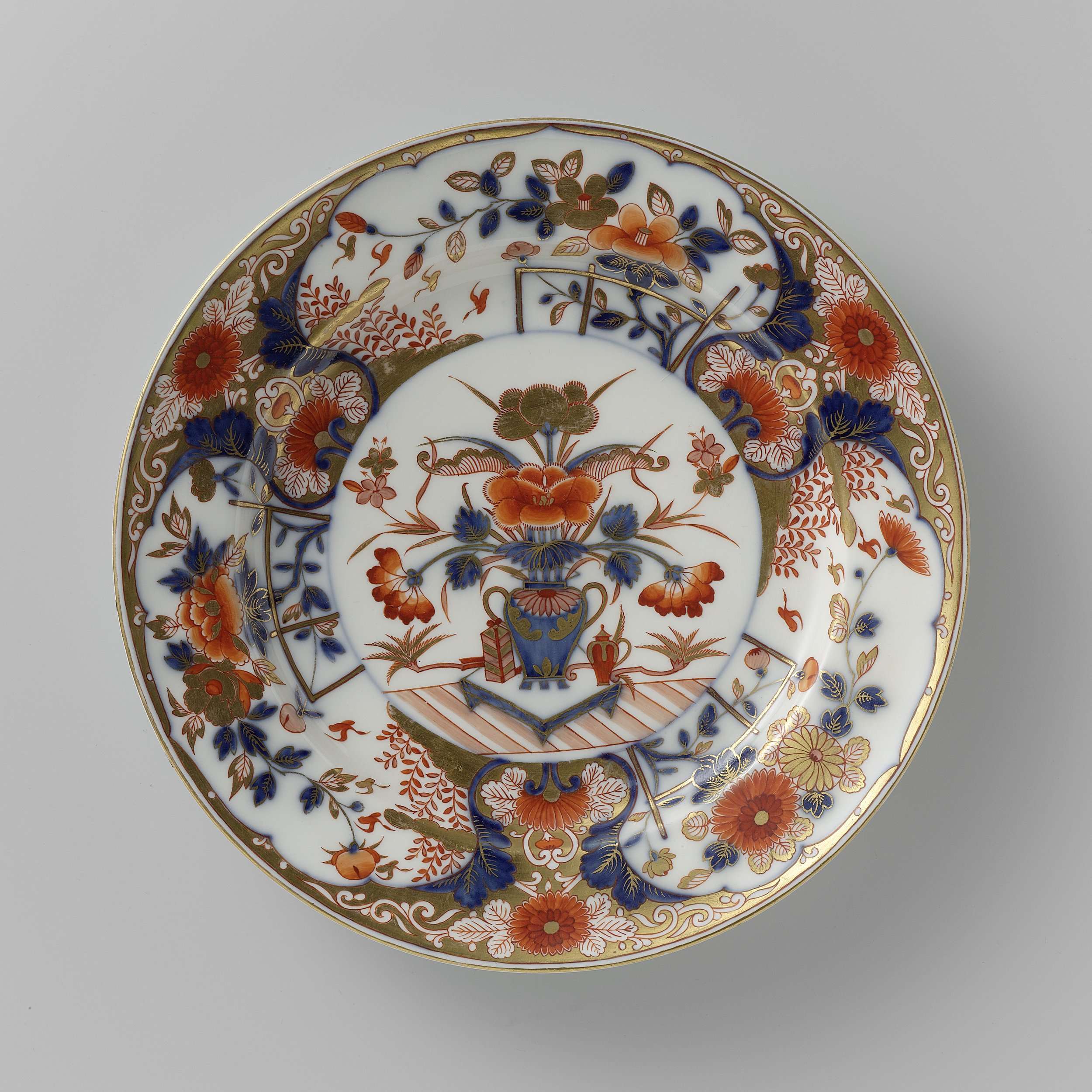
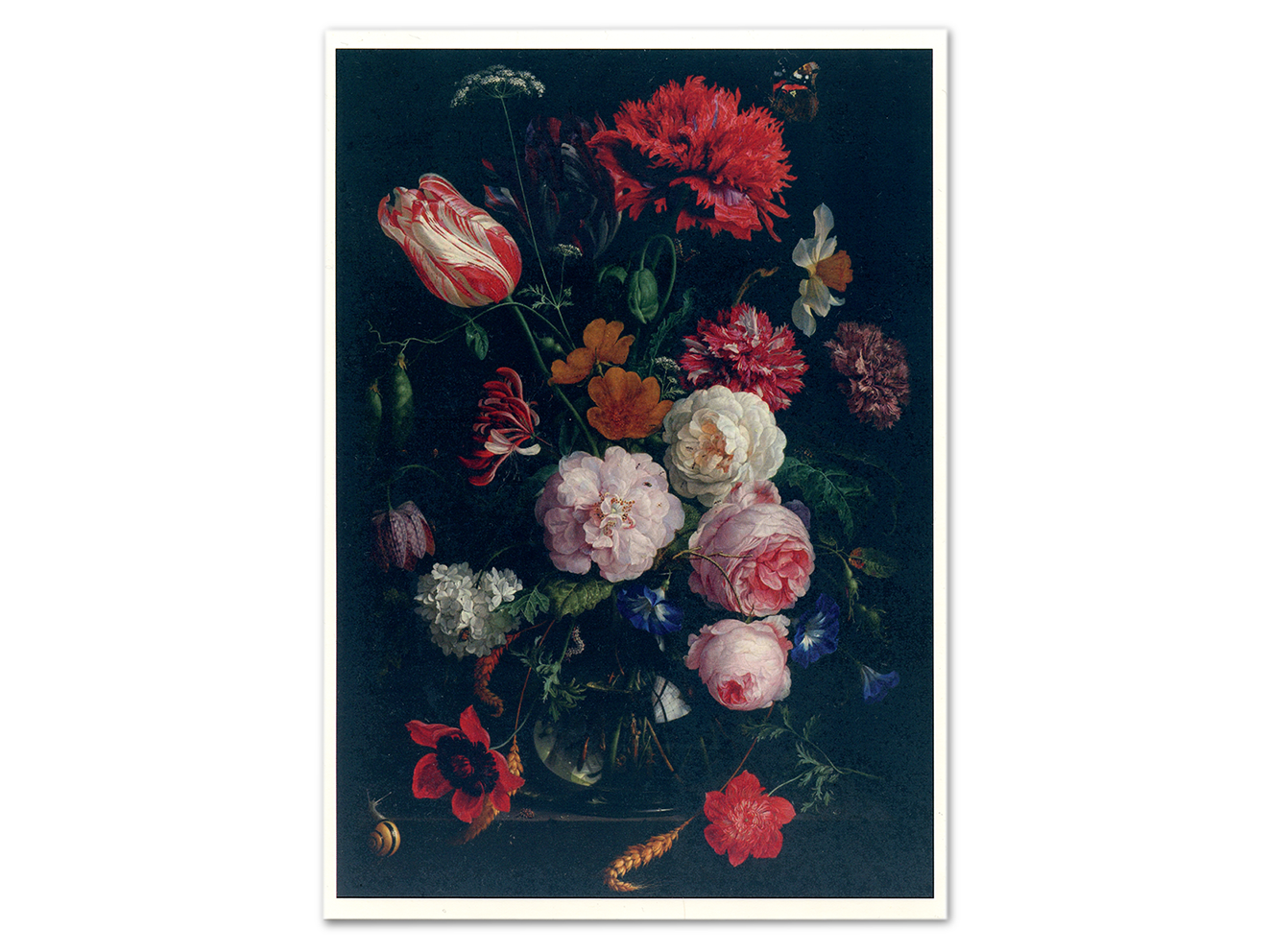
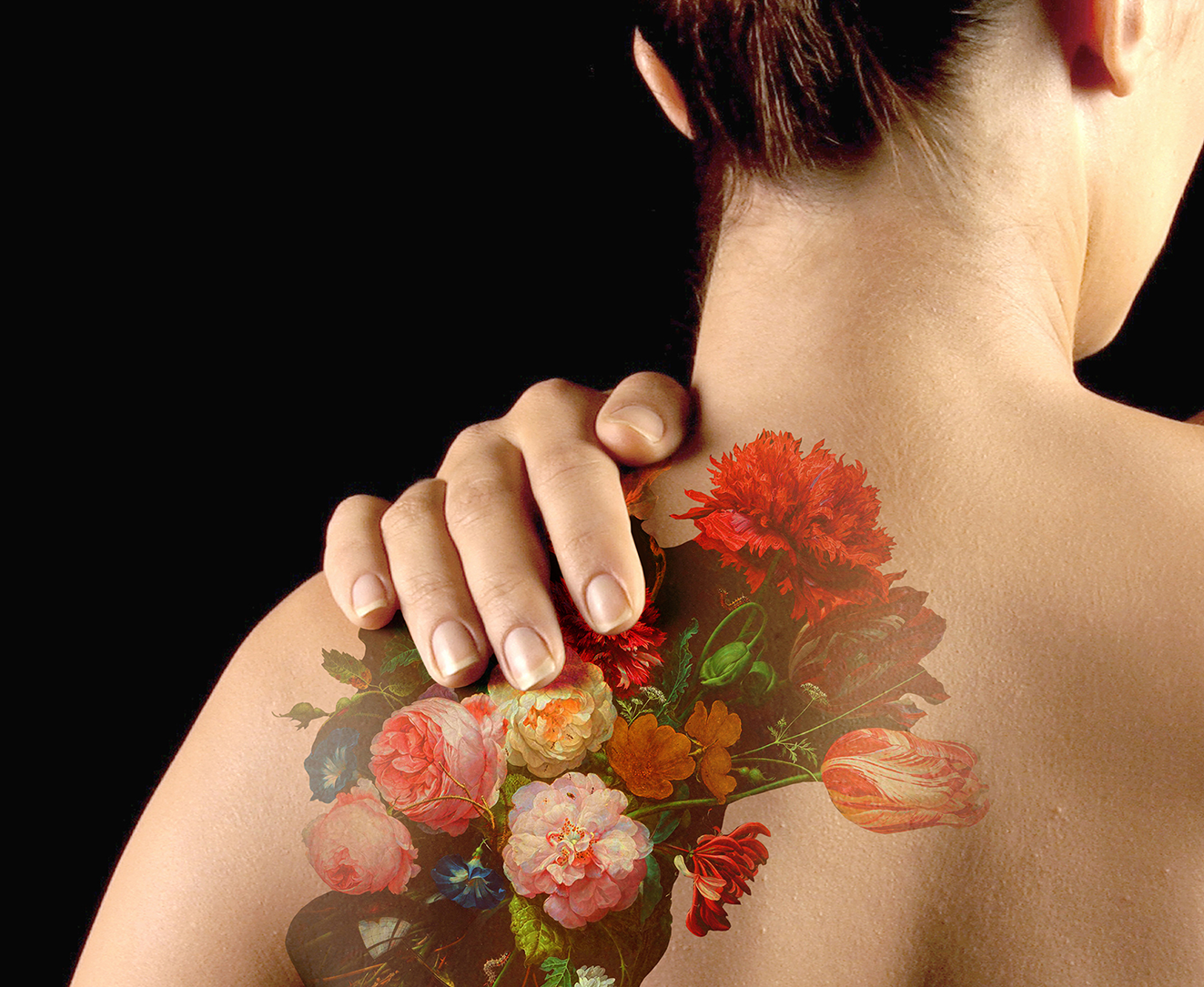
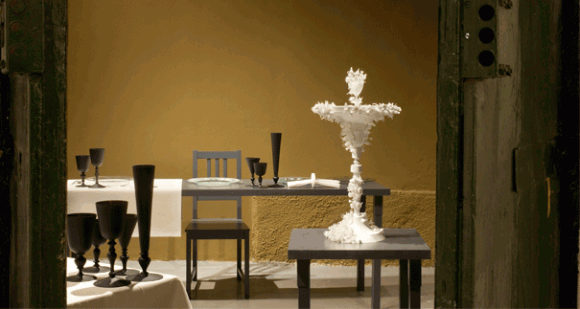
The Rijksmuseum invited Droog to explore this potential through a series of new designs. Historical works became starting points for contemporary objects: a 17th-century flower still life was transformed into temporary tattoos that could be cut and arranged on the body; the decoration of an 18th-century ceramic plate was divided across four glass plates, which could be used individually or stacked to reconstruct the original pattern; and an elaborate centrepiece by German silversmith Wenzel Jamnitzer was reimagined with 3D-printed magnetic miniatures drawn from the Rijksmuseum collection.

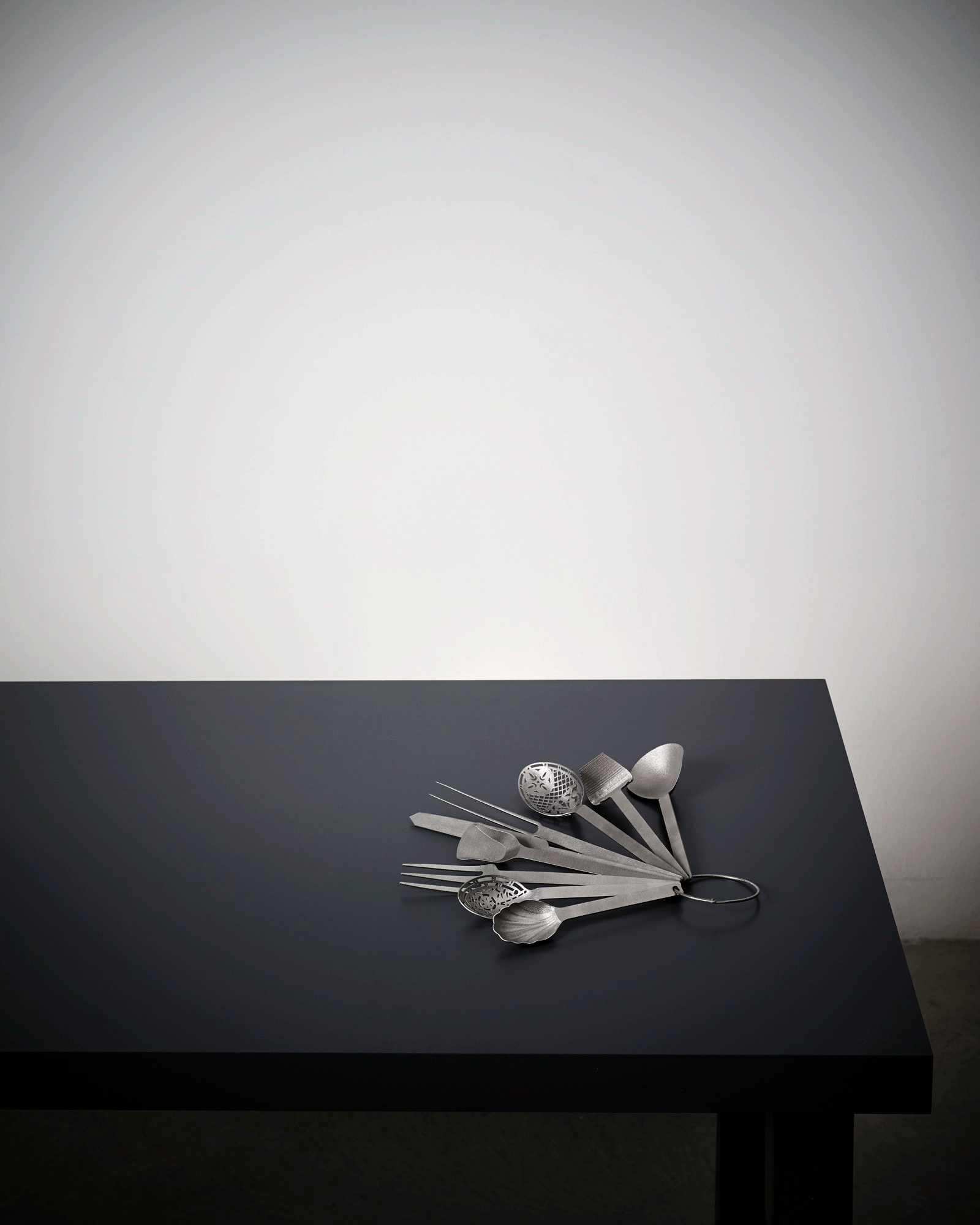
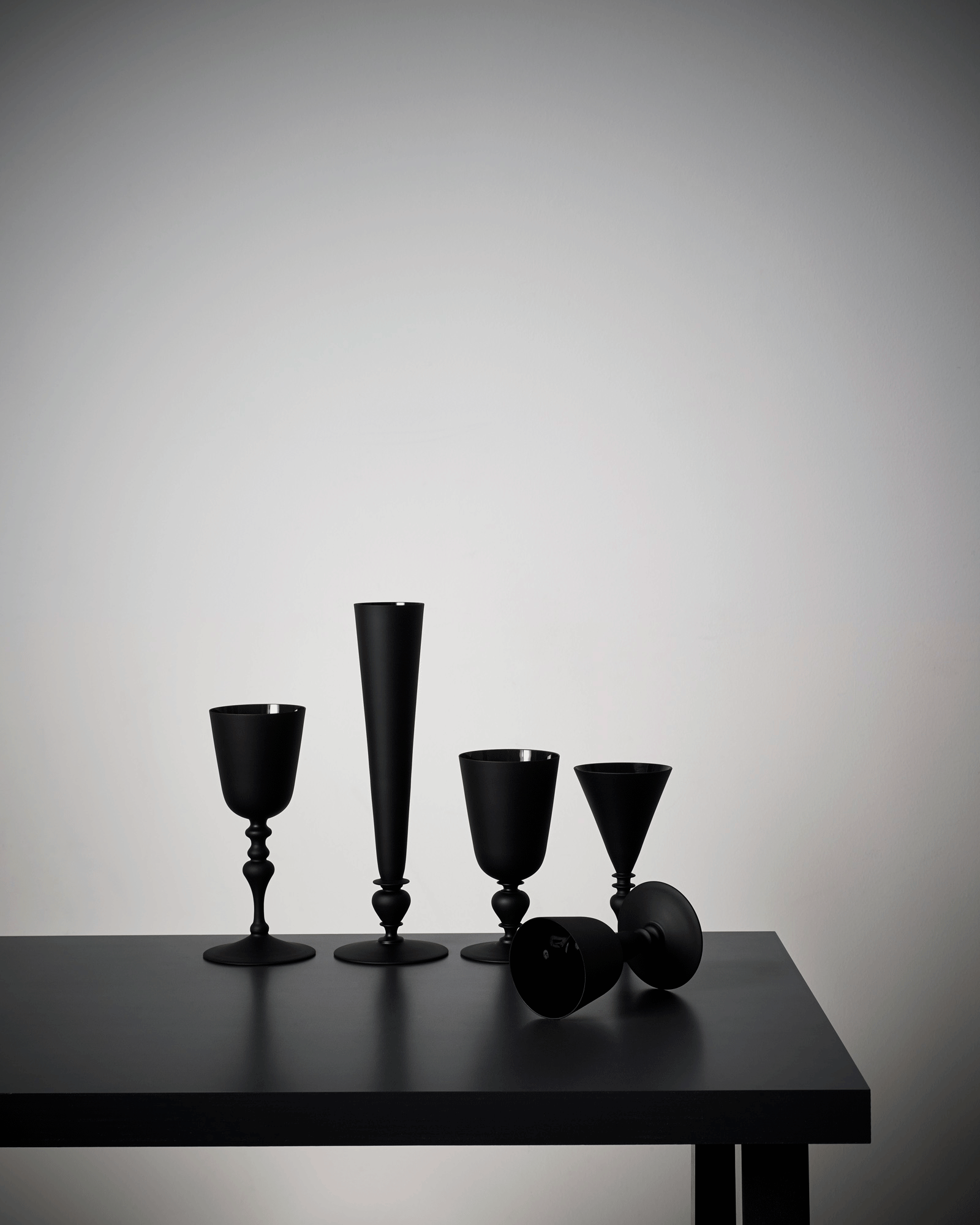
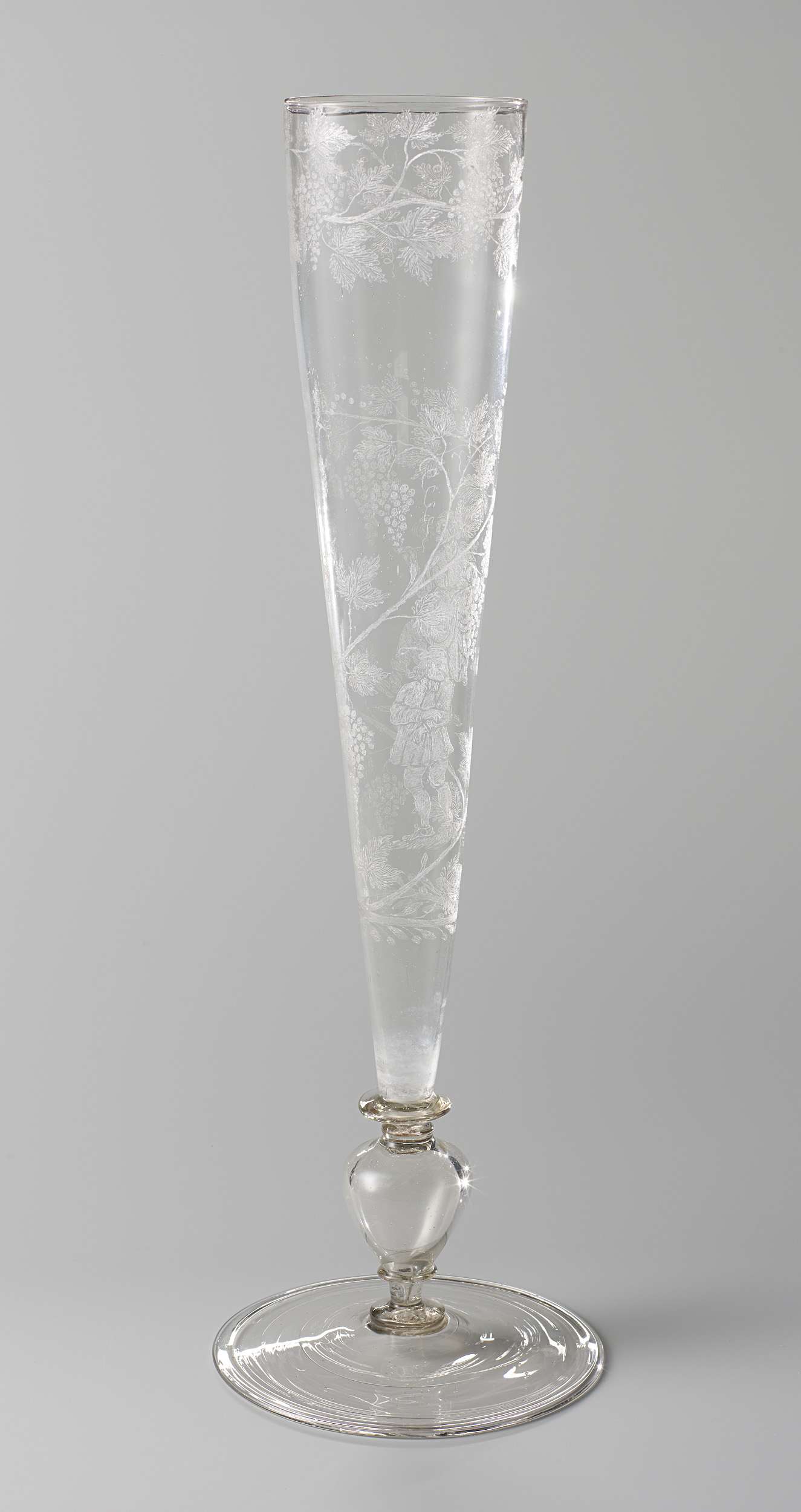
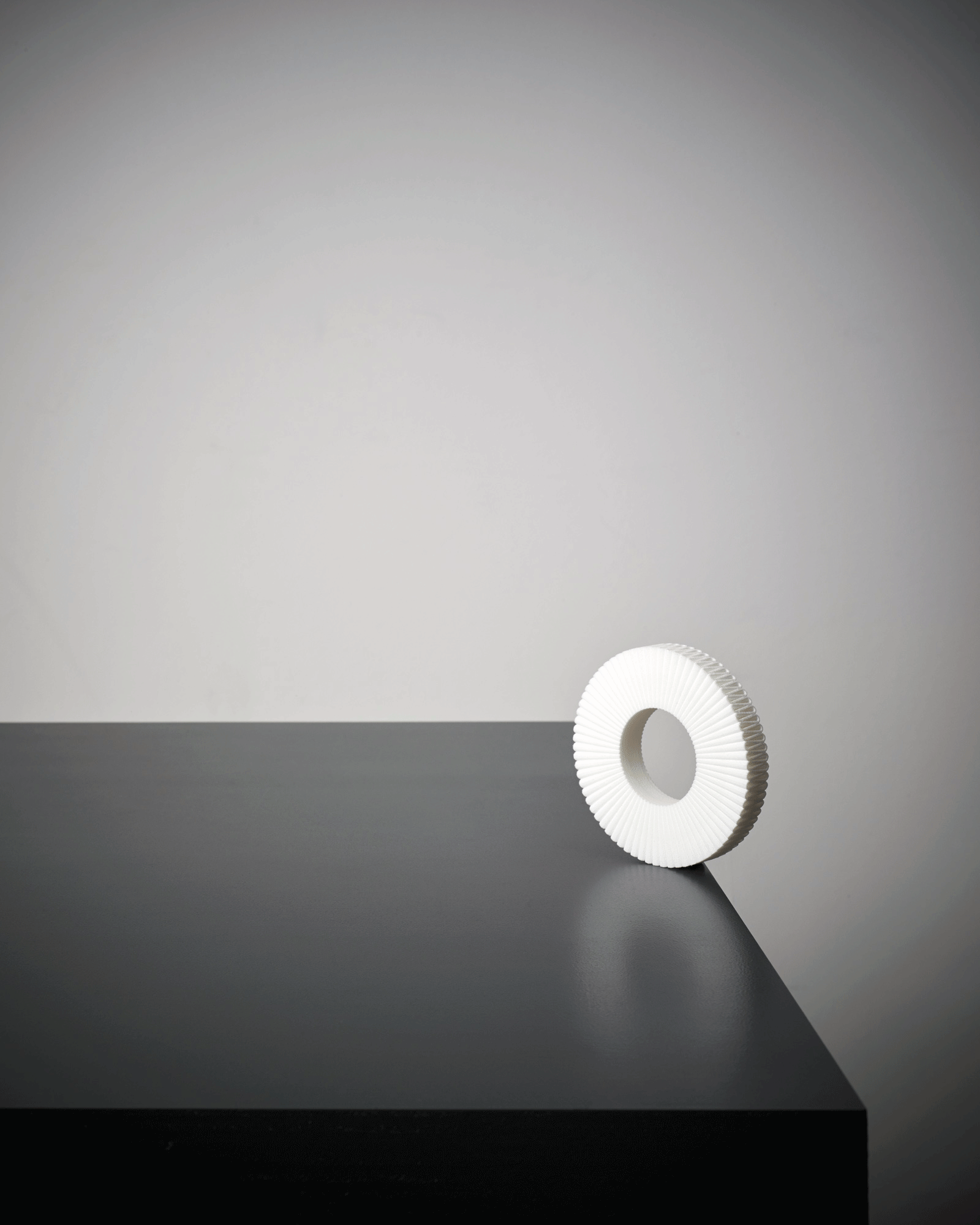
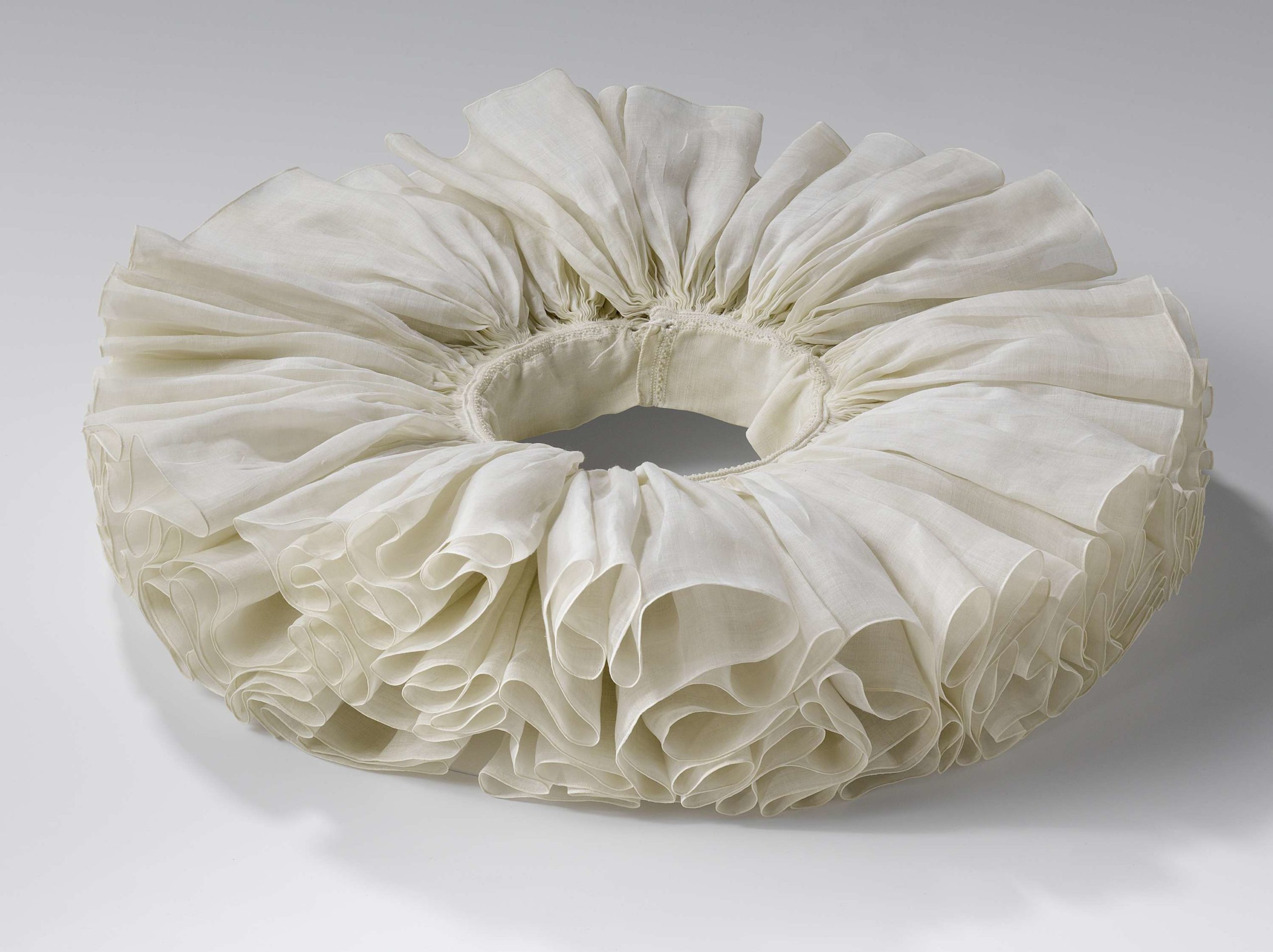
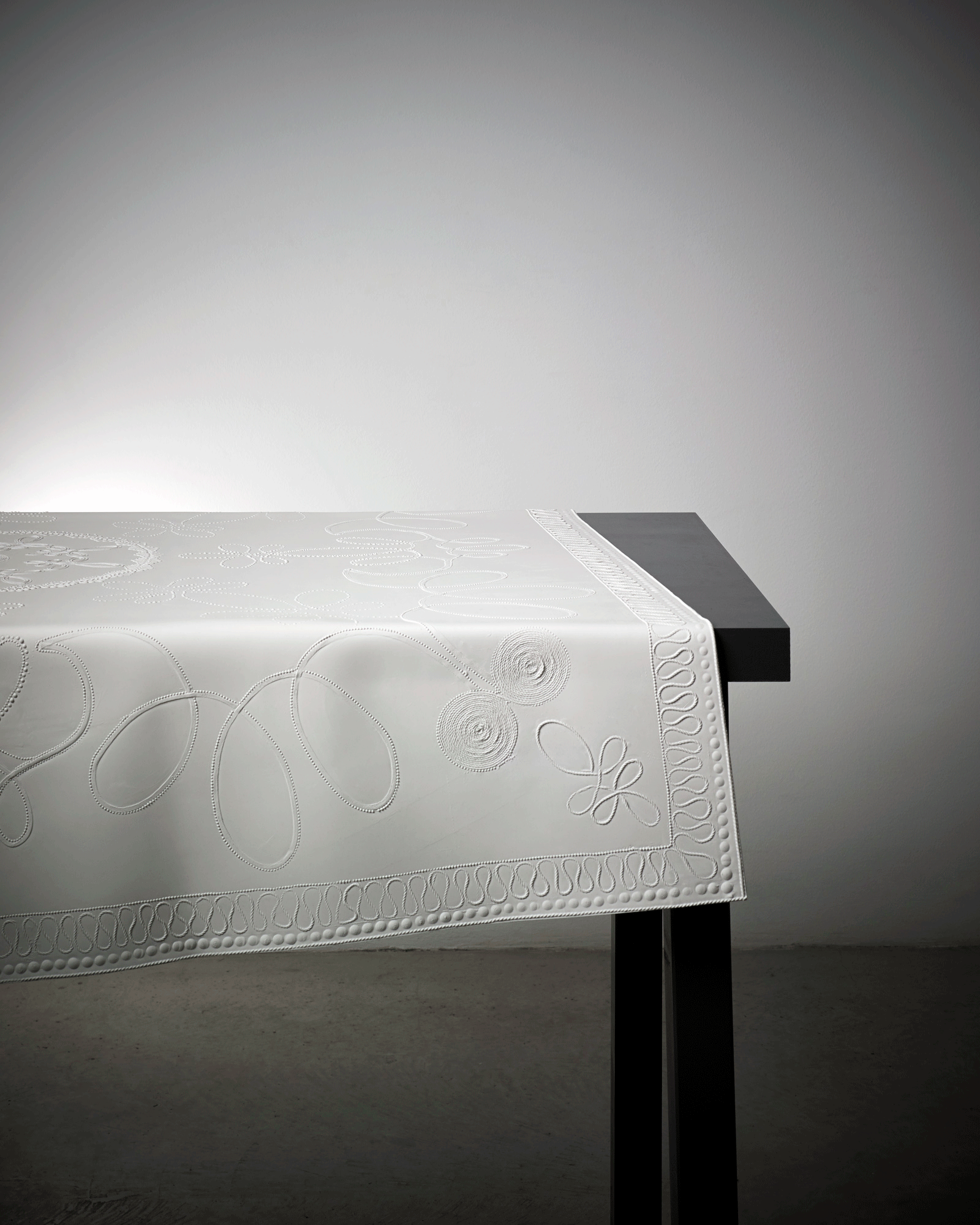
Presented during Salone del Mobile in Milan in 2013, the project brought together designs by Studio Droog and deJongeKalff, including Centrepiece, Layer Plates, Napkin Collar, Forgotten Tools, Tasting Glasses and Rubber Tablecloth. Rather than reproducing historical objects, the designers translated their forms, details and functions through new materials, technologies and ways of use.

Tasting Glasses

Napkin Collar

Rubber Tablecloth

Glasses Series AA

Centrepiece

Layer Plates

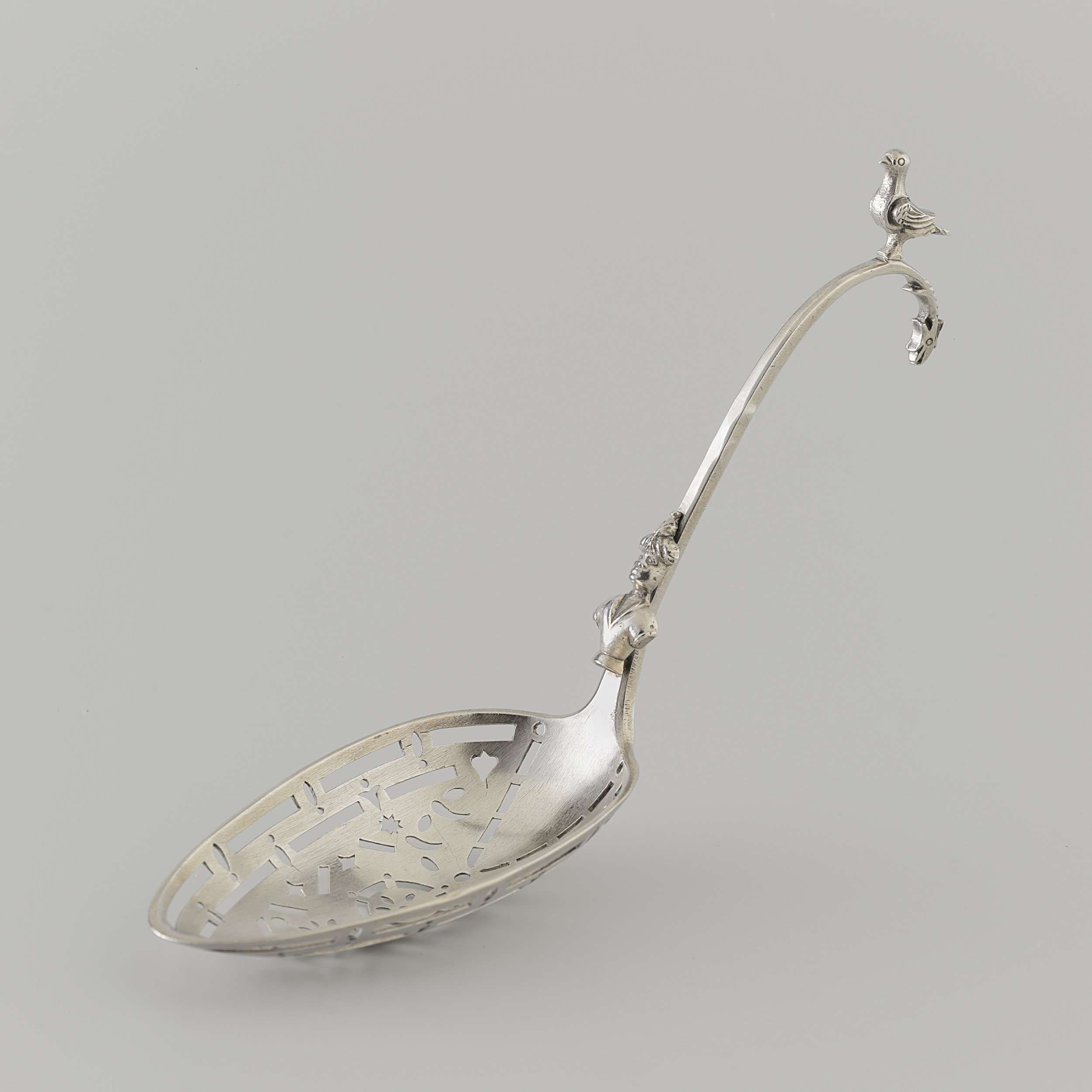
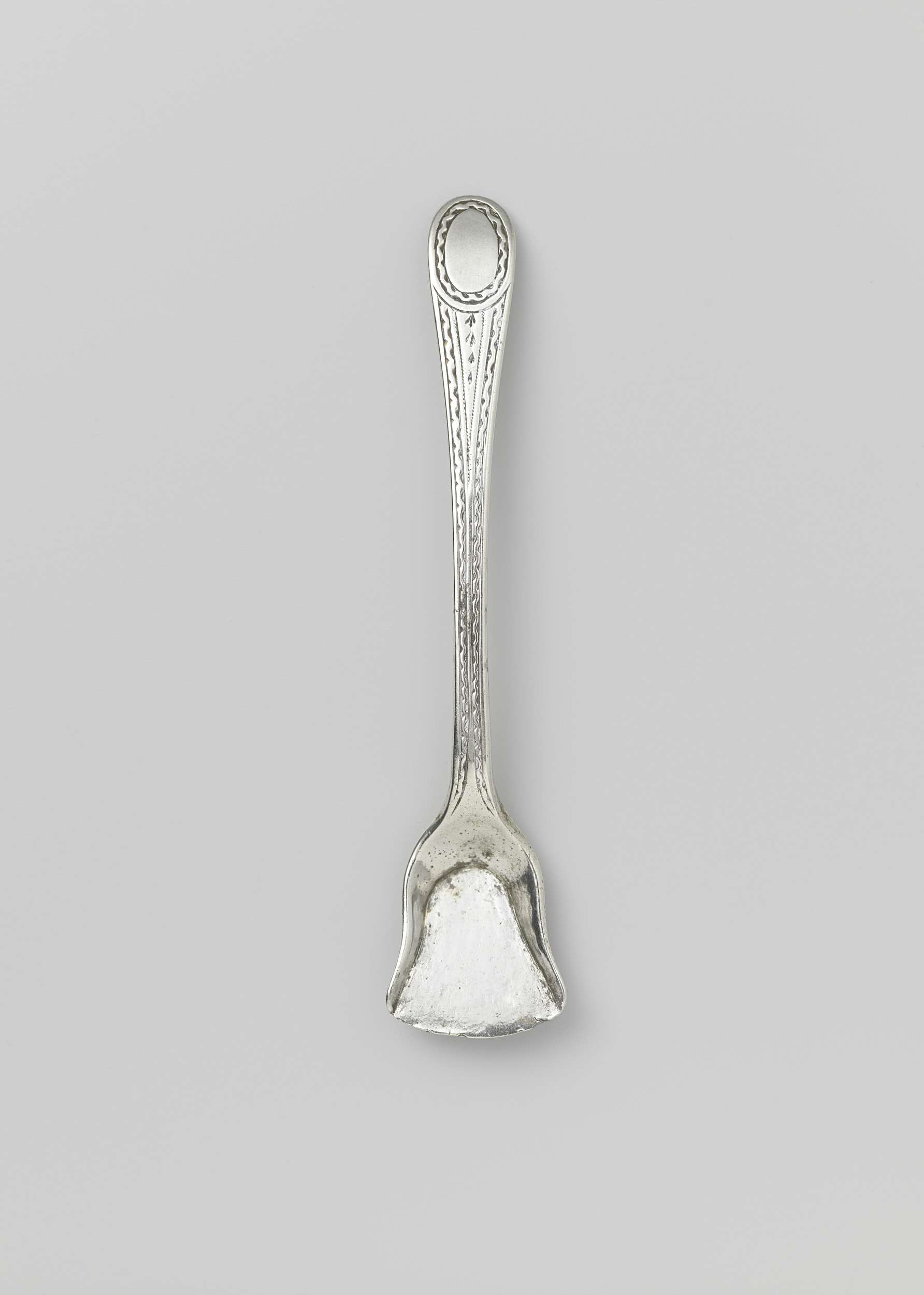
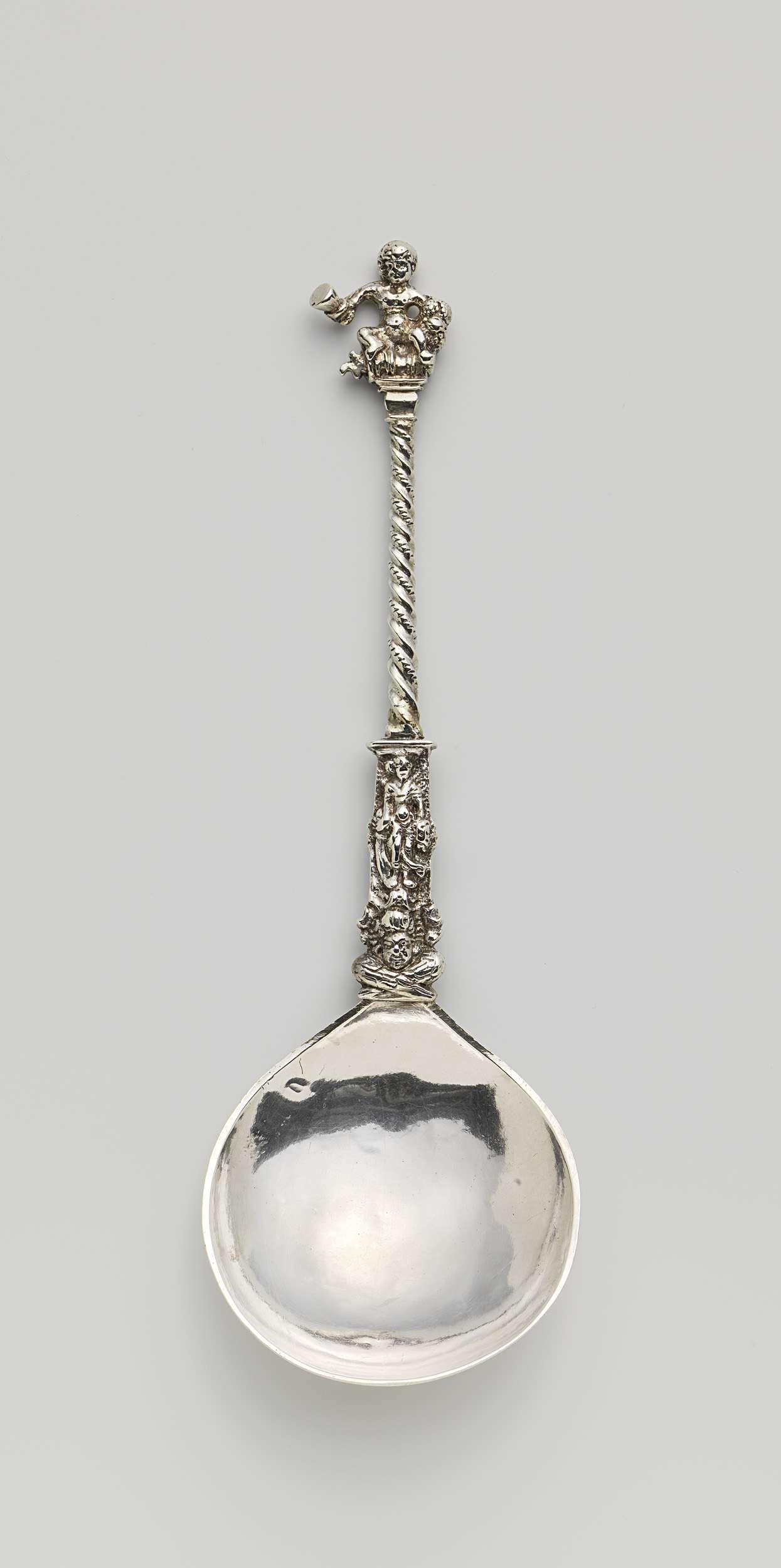
Forgotten Tools

In 2014, the collaboration developed further with Rijksstudio m². The focus shifted from individual objects to a complete domestic environment, with furniture, wallpaper and everyday items created from images and references found in the museum’s digital collection. What began in 2012 as an experiment in reusing museum imagery had grown into a collection of contemporary designs and, eventually, an entire interior shaped by the Rijksmuseum archive.

Photo credits: Thijs Wolzak, Ingmar Swalue 

Related